

A surprise medal, a famous name, and big political stakes. Venezuelan opposition leader María Corina Machado handed Donald Trump a medal she called the Nobel Peace Prize during a private meeting, and he accepted it. The move is already reshaping talking points on Venezuela, foreign policy, and truth in politics. Here is what actually happened, why it matters, and what comes next.
What happened behind closed doors
In a quiet, private setting, Machado presented Trump with a medal she described as a Nobel Peace Prize medal. Trump took it, thanked her, and kept it, according to people familiar with the exchange. No official photo has been released as of now. The meeting did not include the Norwegian Nobel Committee, which runs the Nobel Peace Prize.
Machado is the face of Venezuela’s democratic movement, and a fierce critic of Nicolás Maduro. Trump has long positioned himself as tough on the Maduro regime. The symbolism was loud, even if the setting was not. It was a message to Venezuelans at home and the large diaspora in the United States, especially in Florida.
Is this a real Nobel Peace Prize medal?
Short answer, highly unlikely. The Nobel Peace Prize is awarded by the Norwegian Nobel Committee in Oslo. Only official laureates receive Nobel medals. Each medal is struck under strict control, and records exist for every award. Machado is not a Nobel laureate. There is no sign the Committee authorized this medal or this presentation.
Replicas and commemorative medallions exist. Private groups sometimes mint lookalikes. Those items do not carry official status. They are not Nobel medals in any formal sense. My team has asked the Trump campaign, Machado’s office, and the Nobel institutions for documentation. None has been provided so far.
The Nobel Peace Prize is conferred by the Norwegian Nobel Committee. Only named laureates receive official medals.
Labels can mislead fast. Until officials confirm provenance, treat the medal as symbolic, not official.
The politics of the gesture
The politics here are sharp. For Machado, the presentation ties Venezuela’s fight for free elections to a global symbol of peace. It signals gratitude to a US figure who backed pressure on Maduro. For Trump, the moment fits a familiar narrative, that foreign leaders respect his strength and results. Expect his allies to connect this to the Abraham Accords and his sanctions posture on Venezuela.
Democrats see a different picture. They will question why a candidate accepted a medal described as Nobel when it almost certainly is not official. They will call it theater, and point to the need for clear facts. Republicans will counter that symbolism matters, and that the real issue is who will stand with Venezuela’s democracy. Both frames are headed straight into the campaign bloodstream.
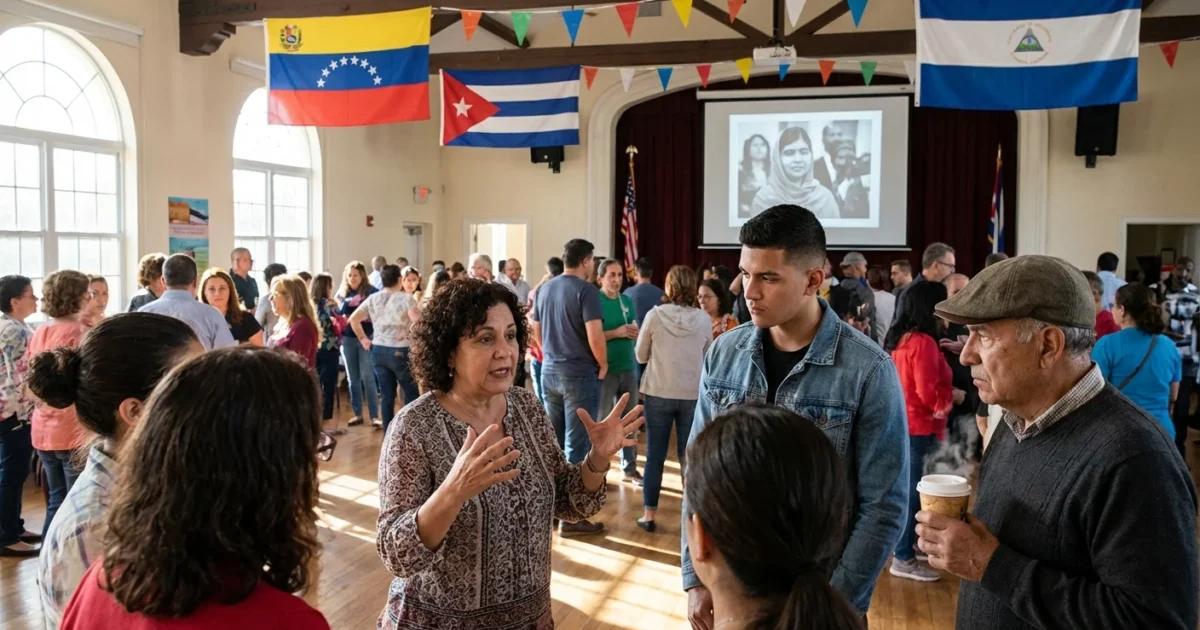
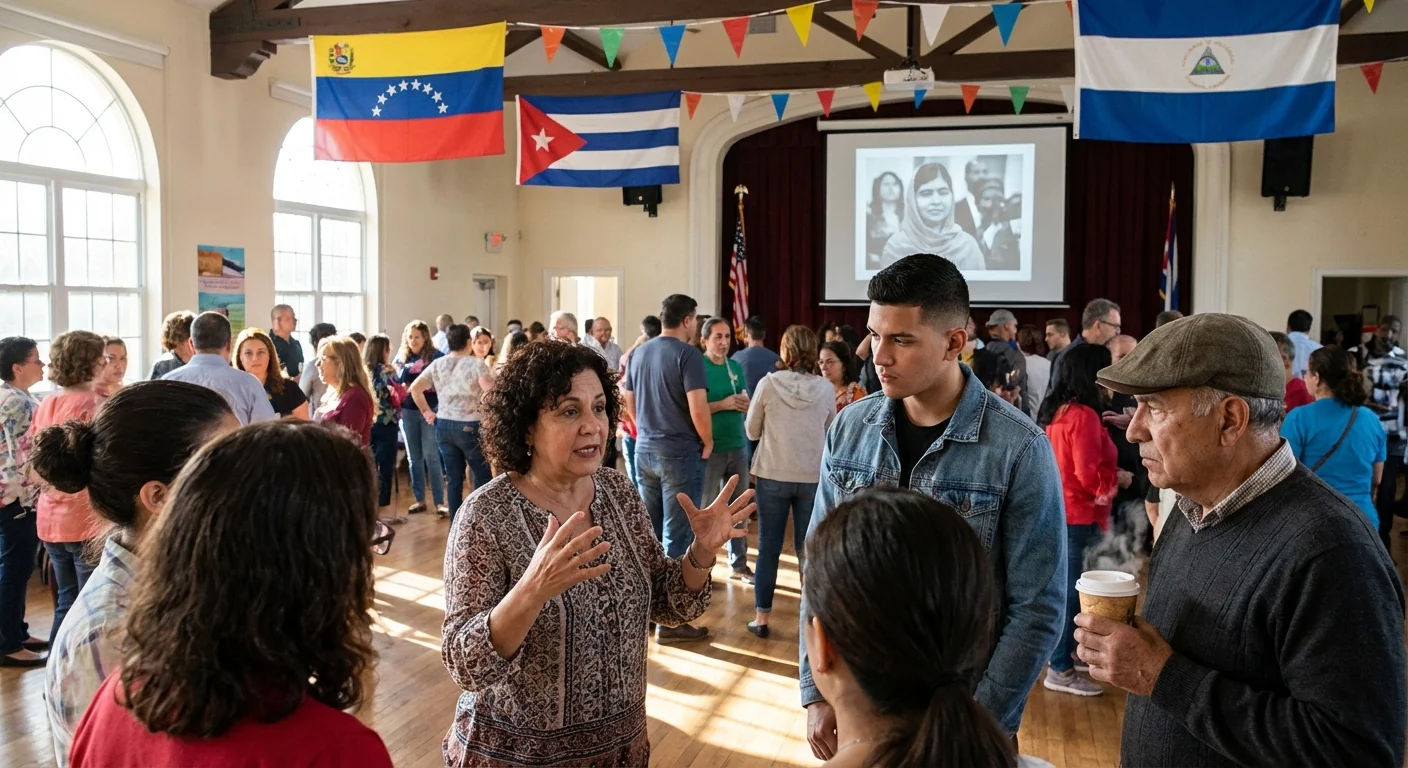
This also lands in Florida politics. Venezuelan, Cuban, and Nicaraguan communities watch signals on authoritarian regimes closely. A dramatic gesture, even if symbolic, travels fast in Spanish language radio and community networks. It could energize voters who want a harder line on Maduro, while handing Democrats a fresh opening on truth and transparency.
[IMAGE_2]
Policy stakes for the next administration
Under President Biden, the United States used phased sanctions relief to push Venezuela toward credible elections. When Maduro backtracked, some pressure returned. Chevron’s limited oil licenses and humanitarian channels sit inside that framework. A second Trump term would likely tighten sanctions quickly, squeeze the Maduro regime, and test whether diplomacy can survive pressure.
Here is what matters for voters and lawmakers:
- Will Trump outline a clear plan on sanctions and humanitarian relief for Venezuelans
- Will Biden adjust sanctions again, after Maduro’s recent moves
- Will either campaign commit to Temporary Protected Status extensions for Venezuelans in the US
- How will both campaigns address US oil markets if Venezuela exports fall
The answer to those questions affects family remittances, migration flows, gas prices, and leverage on Maduro. The medal is the headline today. Policy is the consequence tomorrow.
Ask campaigns for documents and timelines. Symbols are fine. Policy pages are better.
What to watch next
Three clarifications will shape the fallout. First, the origin of the medal. If Machado’s team cannot show an official chain, the item is symbolic, full stop. Second, whether the Trump campaign elevates the moment in ads or rallies. That choice will tell us if this is a one day flash or a core message. Third, the response from Oslo. A concise note from the Nobel Committee could end confusion or inflame it.
Also watch Caracas. The Maduro regime will likely use this to attack the opposition as aligned with foreign powers. That line plays at home, though it often rings hollow with Venezuelans who have endured years of crisis.
The bottom line
A medal entered the room, and a political storm followed it out. The Nobel Peace Prize brand carries huge moral weight, which is why precision matters here. Until proven otherwise, what Trump received was a symbolic item, not an official Nobel medal. Still, the move was not random. It tied Venezuelan hopes to US power, and it dropped right into a US election that thrives on spectacle. The facts still need sorting. The politics are already in motion. 🕊️

