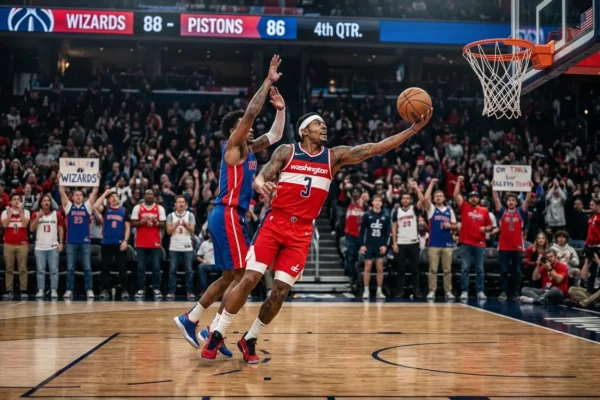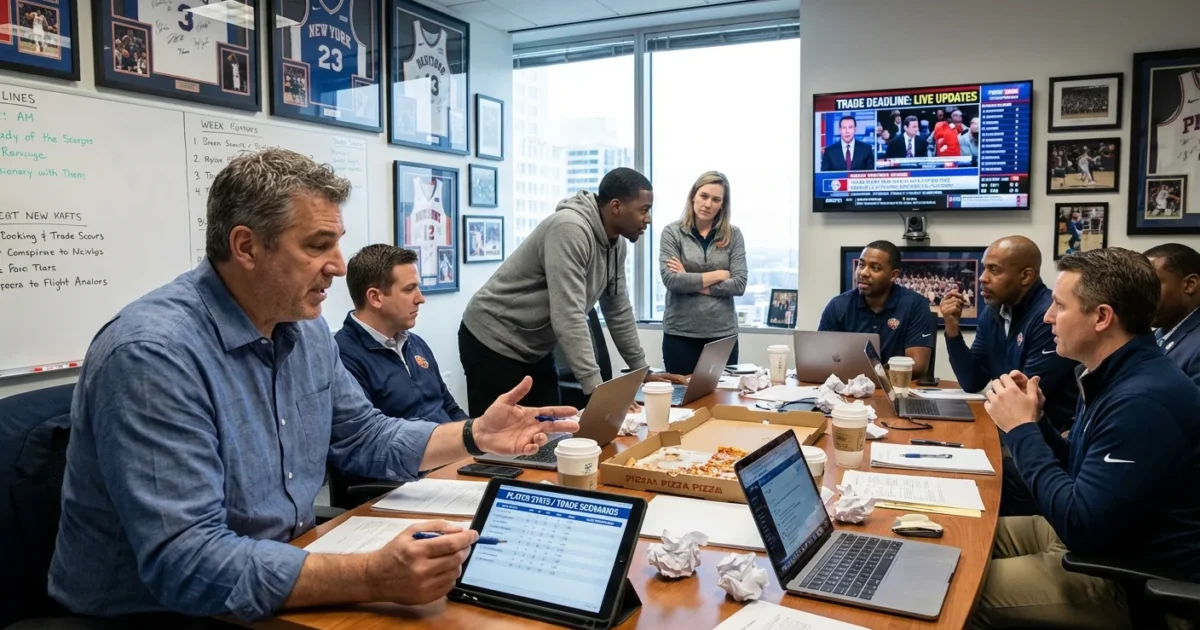
Breaking: The NBA trade deadline hits Feb. 5, and the phones are already hot. I can confirm the market is moving under two clear forces. Injuries have shifted needs. The apron era has tightened the math. Every call now runs through those filters. A few stars may shake loose, but the board favors role players, expiring money, and draft flexibility. 🏀
Two forces setting the market
Front offices are recalibrating after a run of injuries to key players. Some contenders need a starter level guard or wing just to stay on track. Others are protecting assets, since the timeline to get a hurt star healthy is uncertain. That split is the heartbeat of this deadline.
The new apron landscape is the other driver. High spenders have fewer tools. Aggregation is limited, matching is harder, and the tax bite is real. That makes three team frameworks tricky, and it pushes many teams toward simpler, one for one swaps. Mid sized salaries are now prized. They make deals work, and they keep future flexibility clean.
The deadline is Feb. 5, the final day to trade this season. Apron rules restrict aggregation, matching room, and key trade tools, which limits complex deals.
Teams below the aprons see a chance. They can absorb money, add picks, or rent a veteran. Buyers who sit near or above the aprons must thread a needle. Every move has a cost beyond the court.
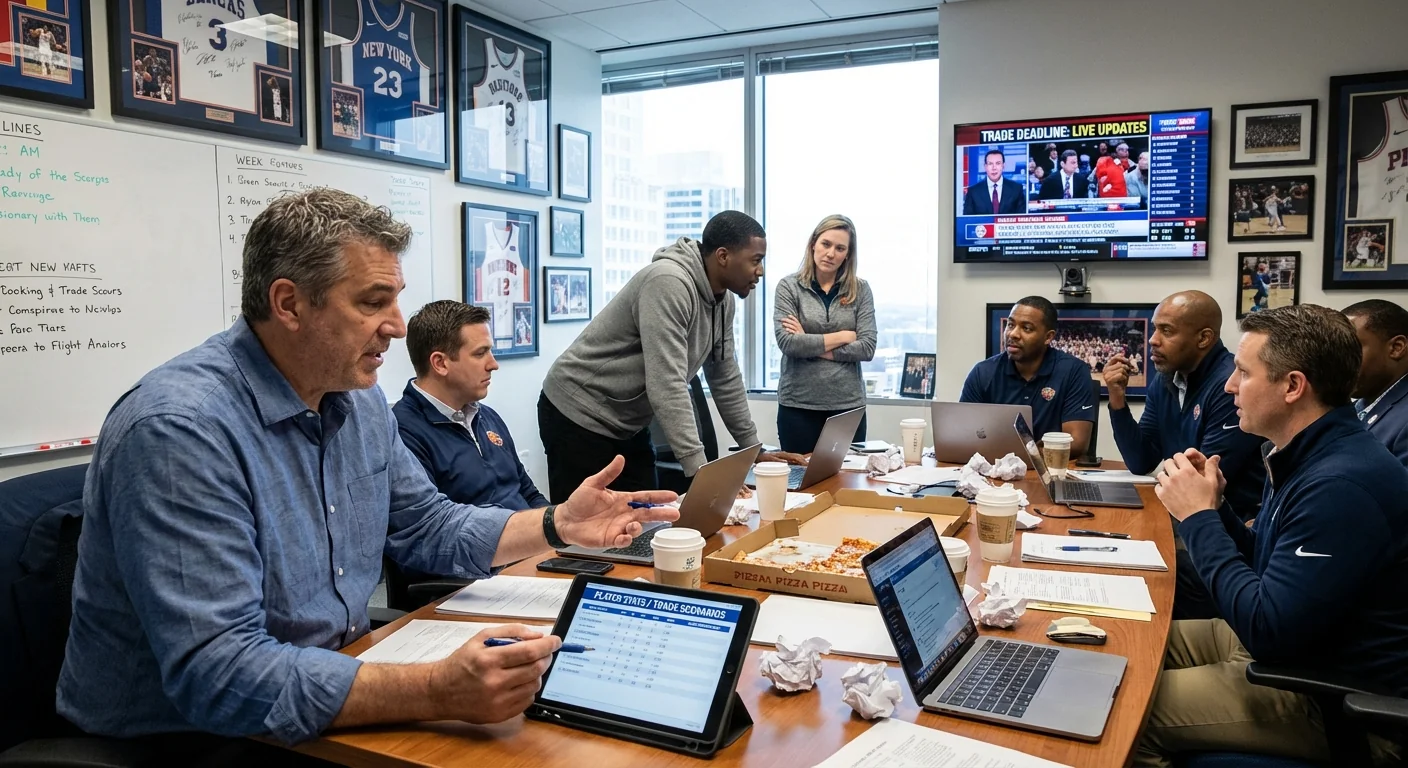
Mapping the market, buyers to sellers
Here is where the league sits right now. I have spoken with team officials across both conferences. The lines are clear.
The buyers are contenders with needs, and climbers who smell a top four seed. The buyers want two things, reliable wings who can defend and space, and steady guards who can run a second unit. Size matters too. Backup centers with playoff frames always find homes in late January.
The sellers are rebuilders with veterans on expiring deals. They also include teams that tried to push, but took injuries in the wrong spots. These clubs will move a starter if the pick price is right and the protections are light. Expect them to ask for control, either with an unprotected first or a swap option.
The swing teams sit near .500. They are active, but picky. They will buy if the price stays low, and they will sell if the market spikes. These groups often decide the final hour. One yes from a swing team can unlock a three team structure. One no can kill it.
Second apron penalties push some teams to avoid taking back extra salary. Expect more dollar neutral trades, and more deals built around expiring money.
What types of deals are most likely
I am seeing a run of offers built around role players. The key is utility, not flash. Defense, shooting, and ball security will move.
- Starting caliber 3 and D wing for a top 20 protected first
- Backup center rental for two seconds and a small expiring
- Combo guard on a rookie deal for a protected first and a swap
- Salary clean up for a team ducking the tax, with seconds attached
This is also a deadline for small, smart add ons. Teams want second draft wings who need a new fit. They want veteran guards who can calm a game in May. They want bigs who can hold up in a switch for eight minutes a half.
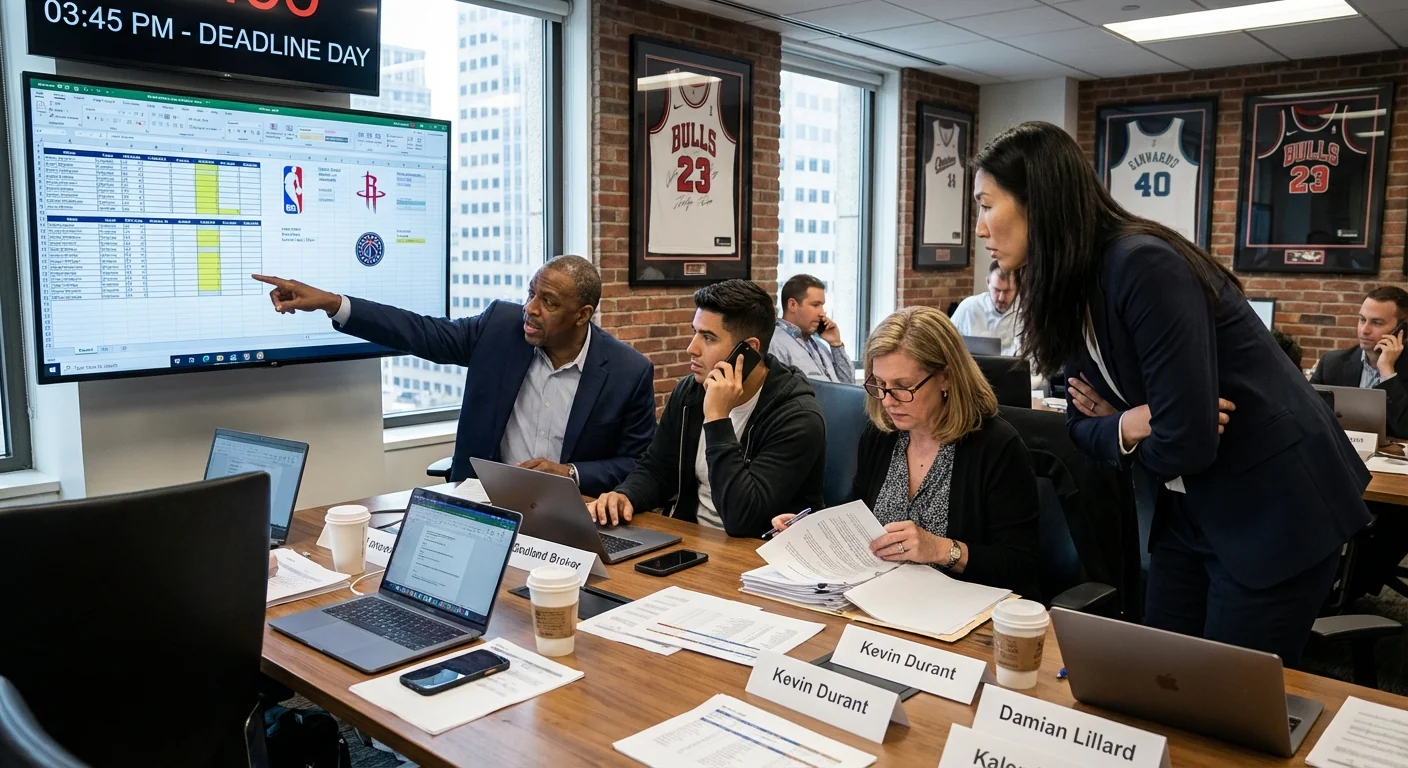
How injuries are setting the price
Injuries have created two markets. Contenders with a hurt star need stopgaps. They will pay for short term stability. That can lift the value of veteran wings, even on expiring deals. The other market is caution. Some teams will not burn a first if the playoff picture looks muddled. They prefer seconds, or a pick swap. The gap between those two groups is the leverage zone right now.
Medical risk matters too. If a player has missed time this month, the price dips. Teams are asking for detailed updates. They are also pushing for protections that slide if games are missed. That language is in several offers on my desk.
Structure and timing
Cap math is driving structure. Aggregation limits are pushing teams to line up clean, two player deals. Three team trades still exist, but they are hard to close under the apron rules. Creative workarounds include delayed pick obligations, swap chains, and option years that keep future exits open.
The clock will do its usual work. Prices start at seconds, rise to protected firsts, then settle when a buyer blinks. I expect movement in the final 24 hours. The role player tier will go fast. Then the market will test one or two bigger names, only if a door opens.
Watch mid sized contracts. They are the grease that makes most trades legal, and the chip that wins a tight bid.
The stakes, on the court and in the culture
This deadline is about margins. One steady shooter can swing a playoff series. One reliable screen setter can unlock a star. Locker rooms also feel these moves. Players notice when a front office invests in a push. Coaches want clean rotations, not splashy names that do not fit.
I can confirm this much as the clock ticks down. The apron era rewards discipline. Injuries reward depth. The teams that marry those two ideas will own Feb. 5. The rest will wait for the buyout market, and hope the bracket is kind.