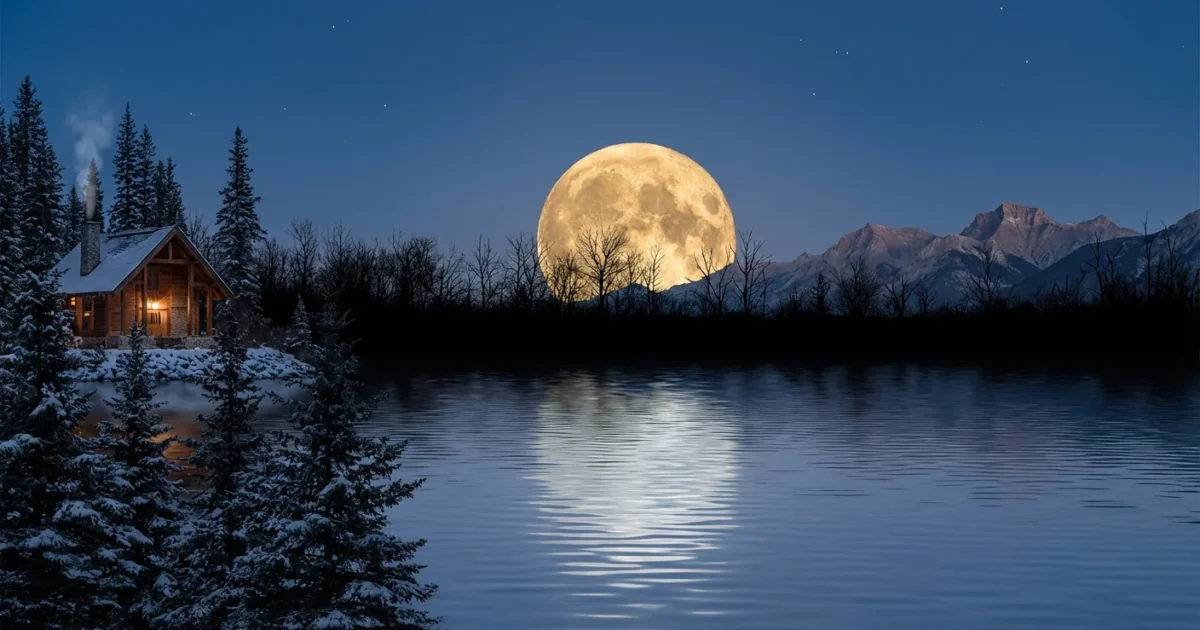
Look up tonight. The first full moon of the year is rolling over the horizon, bright and close. January’s Wolf Moon arrives near its closest point to Earth, so it qualifies as a supermoon. It will share the sky with Jupiter, blazing nearby, while the Quadrantid meteor shower continues before dawn. This is the sky’s firstrun double feature of the year, and it is worth your time. 🌕✨
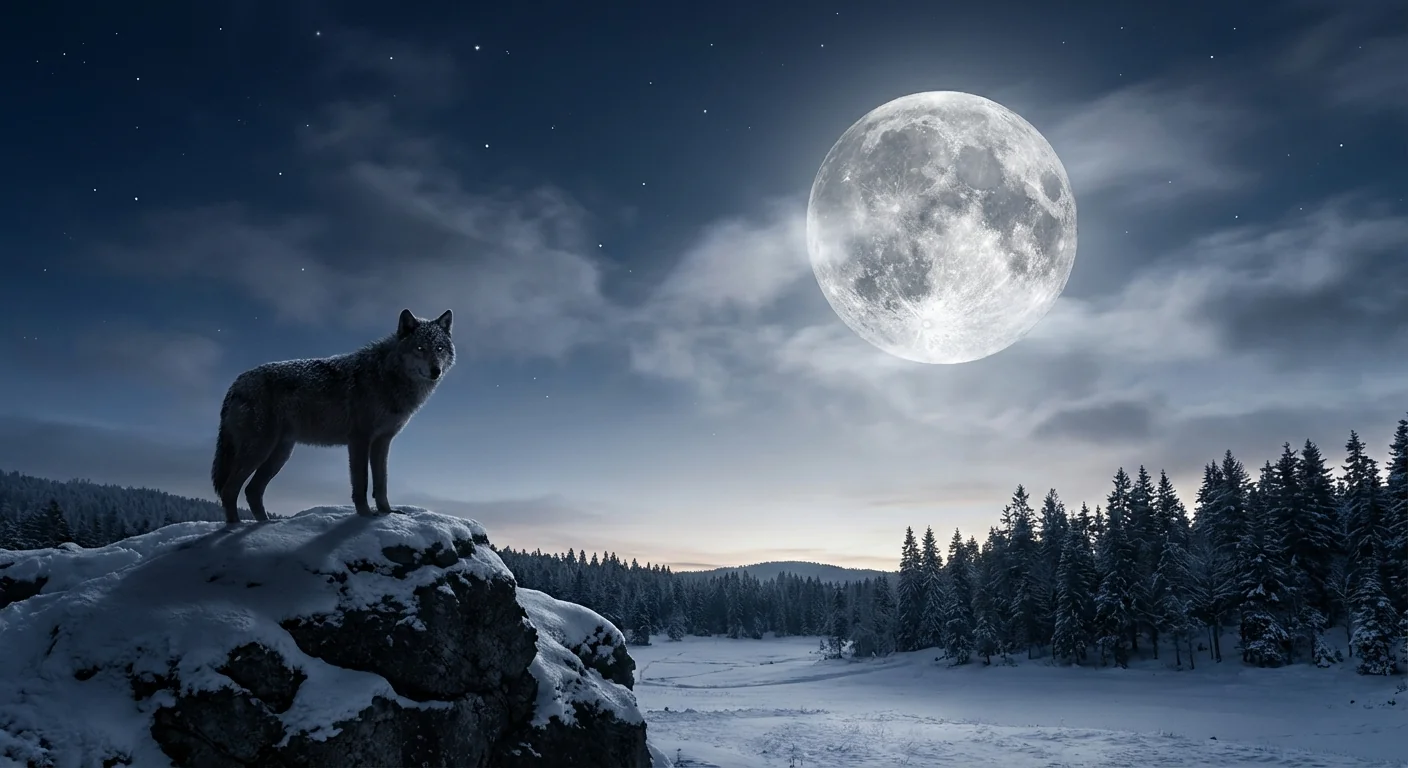
Tonight’s Wolf Moon Goes Super
The Wolf Moon is the traditional name for January’s full moon. Tonight, the Moon is near perigee, the point in its orbit closest to Earth. Because the orbit is an ellipse, not a perfect circle, the Moon’s distance changes each month. Near perigee, it looks a little larger and brighter than average. The effect is subtle, but noticeable to keen eyes and cameras.
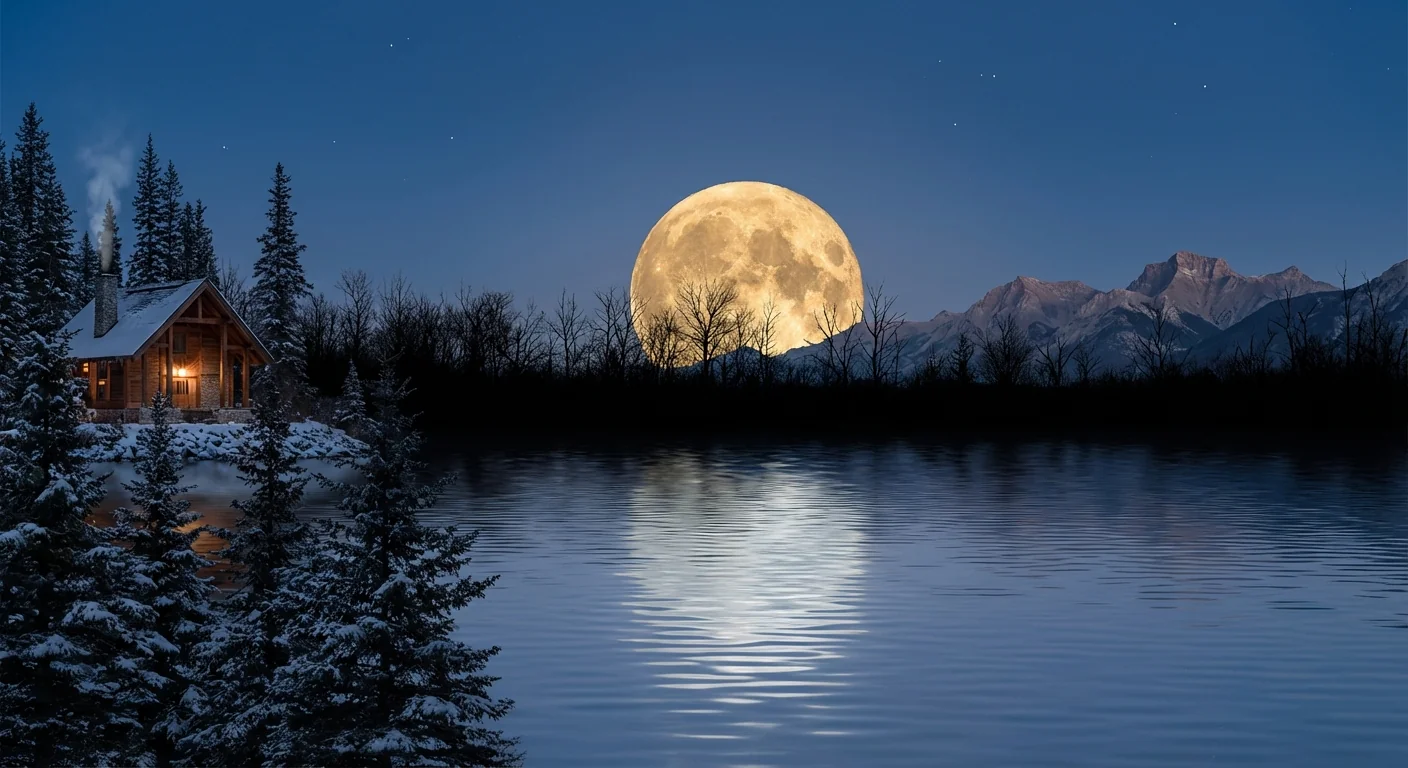
You will get the most dramatic view at moonrise and moonset. Low on the horizon, the Moon appears huge beside buildings, trees, and ridgelines. That size boost is a trick of the brain, called the Moon illusion, but it makes great photos and memories. The show is visible worldwide where skies are clear.
How and When to Watch
Plan around your local moonrise time, which comes near sunset. If clouds cover the horizon, try again at moonset before dawn. Give your eyes time to adjust, and keep it simple. You do not need a telescope to enjoy this.
- Find a clear eastern horizon at dusk, or western horizon before dawn
- Step away from streetlights for deeper contrast
- Bring binoculars for extra detail on lunar maria and craters
- Hold a steady camera, shoot at low ISO, and bracket exposures
Frame the Moon with a landmark. The illusion near the horizon makes the supermoon feel even larger, and adds scale to your photos.
Jupiter Joins the Show
Jupiter stands out near the Moon as a steady, cream colored point. Stars often twinkle, but Jupiter holds a calm light. The pair makes an easy target for the naked eye. With binoculars, look for four tiny dots lined up around the planet. These are the Galilean moons. Their positions change from hour to hour, a simple lesson in orbital mechanics you can watch from your backyard.
Photographers can capture the pairing with a short telephoto lens. Expose for the Moon first, then take a second, longer exposure for Jupiter and the sky. Blend the frames if you wish. From the balcony or the beach, this is a striking two body portrait.
Quadrantids Under a Bright Moon
The Quadrantid meteor shower peaks in early January. It has a sharp, fast peak and can produce bright fireballs. Moonlight will wash out faint streaks tonight, but you can still catch the stronger meteors with a smart plan.
Make the most of the meteors
- Go out late, then stay into the pre dawn hours
- Face north to overhead, and lie back to see a wide sky
- When the Moon is low or setting, your odds improve
- Protect your night vision, and look away from the Moon’s glare
Give your eyes 20 minutes to adapt. Put your phone away. Even a quick glance can reset your night vision and cost you meteors.
Wear layers, bring a hot drink, and set a 30 minute timer. Most showers reward patience. The Quadrantids are no exception.
Tides, and Why This Happens
A supermoon does not change Earth’s physics, but it does nudge our oceans. When a full moon happens near perigee, tides can run higher than usual. These are called perigean spring tides. Coastal communities may see slightly higher high tides and lower low tides over the next day or two. If onshore winds or low pressure join in, minor flooding can follow on vulnerable roads and docks.
If you live along the coast, check tide tables and use care near inlets at high tide. Expect stronger currents and splashover in low lying spots.
Here is the science in simple terms. The Moon orbits Earth in an ellipse. At perigee it is about 50,000 kilometers closer than at apogee. Closer means larger in the sky and a little brighter. Gravity also gets a small boost, which raises tides. Your eye adds one more effect near the horizon, the Moon illusion, which makes the disk look larger against familiar objects.
This night also offers a compact tour of the solar system in motion. You can watch Earth’s tides respond to lunar gravity, see Jupiter’s tiny satellites shift as they orbit, and trace bits of an ancient comet burning up above you. That is a lot of science packed into a single evening.
Conclusion
Step outside at dusk, and again before dawn. Catch the Wolf Moon lifting over your skyline, then swing your gaze to Jupiter beside it. After midnight, steal a few Quadrantids from the bright sky. The supermoon will light your path, the meteors will surprise you, and the giant planet will stand guard for all of it. This is the year’s first easy win for skywatchers. Take it.