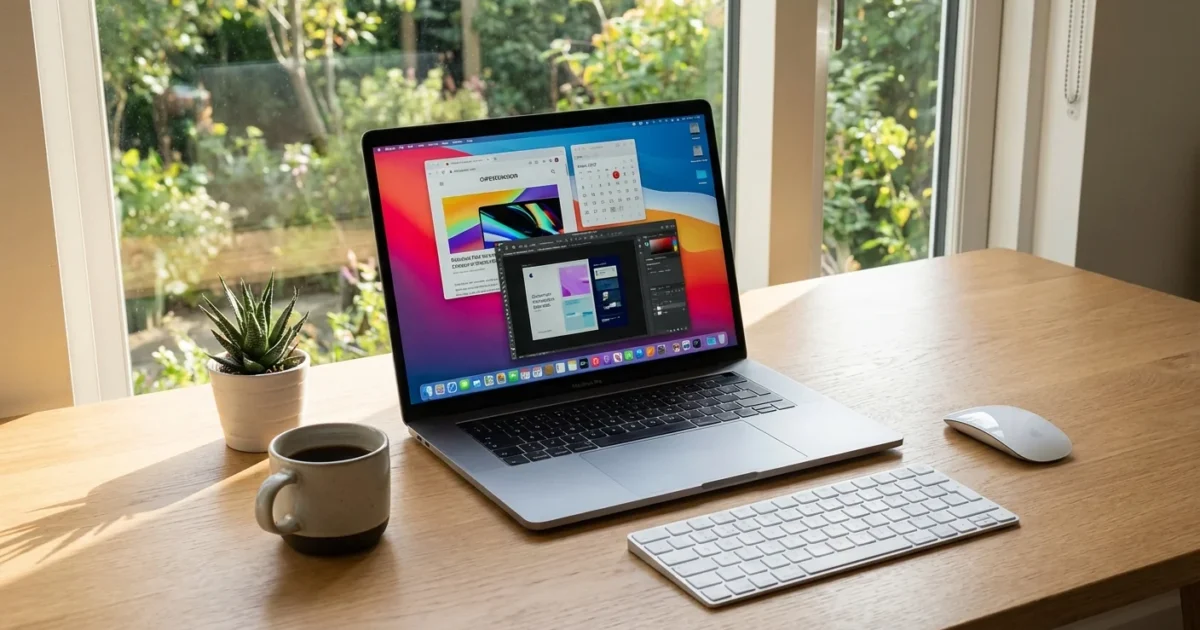
Stop what you are doing. Apple is lining up two MacBook Pro releases for 2026, not one. I have learned that an early-year refresh will set the stage for a major late-year redesign. The big finish brings OLED screens to the MacBook Pro for the first time. The catch is simple. The fastest M5 hardware will wait for macOS features that are still in flight.
Apple has not announced these models. Timing and features can shift before release.
Two drops in one year
Here is the shape of 2026 as I see it. First, an interim MacBook Pro arrives in the first half of the year. Expect modest changes. Think faster silicon built on a more efficient process, tuned thermals, and small gains in battery life. The chassis stays familiar. The goal is stability.
Then a second wave lands near the end of 2026. That is the OLED redesign. It brings new panels, a tweaked lid stack, and a reworked display pipeline. This second launch is the one that changes how the MacBook Pro looks, feels, and sips power.
This split schedule makes sense for a science-first reason. Hardware moves fast. Operating systems move on a yearly drumbeat. The early model gives pro users something solid now. The late model unlocks new display science and, if ready, new compute features that need fresh macOS plumbing.
Why macOS gates the M5
The next leap in Apple Silicon is not only the chip. It is how macOS talks to it. New GPU blocks, larger neural engines, and faster memory controllers demand new drivers and APIs. Without them, headroom sits unused.
Apple’s Metal stack will need updates for new shader stages, better memory tiling, and smarter scheduling. Core ML and on-device AI frameworks will need to stream bigger models with less RAM pressure. That points to changes in paging, compression, and unified memory policy. Energy management must also learn new tricks, so heavy AI bursts do not trip thermal limits in thin laptops.
This is why the highest M5 tiers may hold until the right macOS release. Apple is known to ship silicon and software as a matched set. The goal is simple. Expose the gain, keep the battery steady, keep the fans quiet.
Real work this unlocks
- Faster code builds and compiles with better multi-core scaling
- On-device AI for video, audio, and code without cloud round trips
- Lower latency graphics for 3D, medical imaging, and simulation
- Stable battery draw under mixed CPU, GPU, and NPU loads
OLED is a materials science leap, not a spec bump
LCDs rely on always-on backlights. OLED creates light per pixel. That is the key. Black pixels can turn off. Power use then tracks scene content, not screen size. For creators, true blacks remove haloing around bright objects. For scientists, OLED boosts contrast for subtle differences in scans and plots.
Getting OLED right in a laptop is hard. Panels must hit high brightness for HDR, then hold that level without rapid wear. Expect a tandem OLED stack. That means two emissive layers in one panel, which spreads the load and raises efficiency. Blue emitters are the weak link. New dopants and better thermal paths are how makers extend their life.
I am also hearing that Apple will use LTPO for variable refresh. The panel could ramp from 1 to 120 Hz. Text and static UIs drop to 1 Hz to save power. Video and pen input snap to full speed. The timing controller and macOS must coordinate that dance, so animations stay smooth while power stays low.
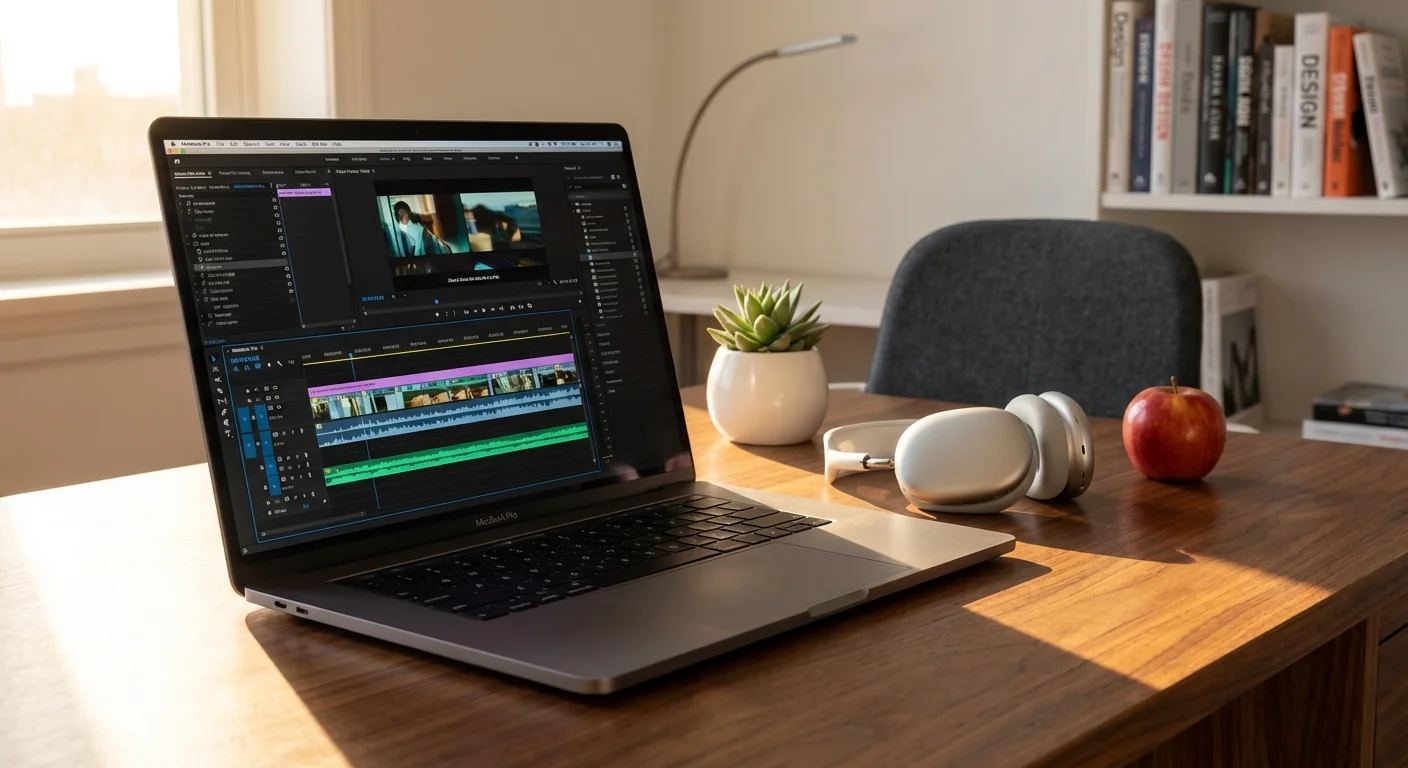
Most OLED power savings show up in dark modes and content with lots of black. Bright white screens can cost more power than LCD.
What to buy, and when
If you need a MacBook Pro today, buy the current model without fear. It is a proven thermal design with strong Apple Silicon. Your tools will run fast and stable.
If you can wait, the second 2026 release brings the big changes. OLED is the headline. The higher-end M5 features that need new macOS bits should also be ready by then.
Here is the simple break:
- Early 2026, safer and familiar, likely a speed and efficiency bump
- Late 2026, new OLED design, deeper macOS integration, larger gains for pro workflows
Editing HDR video, grading photos, or working in low-light labs. You will feel OLED on day one. If that is you, wait.
The science I am watching next
Three questions will settle the story. First, which TSMC process does the top M5 use, and how much does it lift performance per watt. Second, does macOS ship new Metal features that expose all of the GPU’s compute blocks to apps. Third, how Apple manages OLED lifetime, including burn-in mitigation, pixel shifting, and calibration over time.
Those answers will tell us if the late 2026 MacBook Pro is a reset, or a refinement. Today’s signal is clear. Apple is gearing up for two moves in one year, tied together by software. The first keeps the train moving. The second rewires the track.