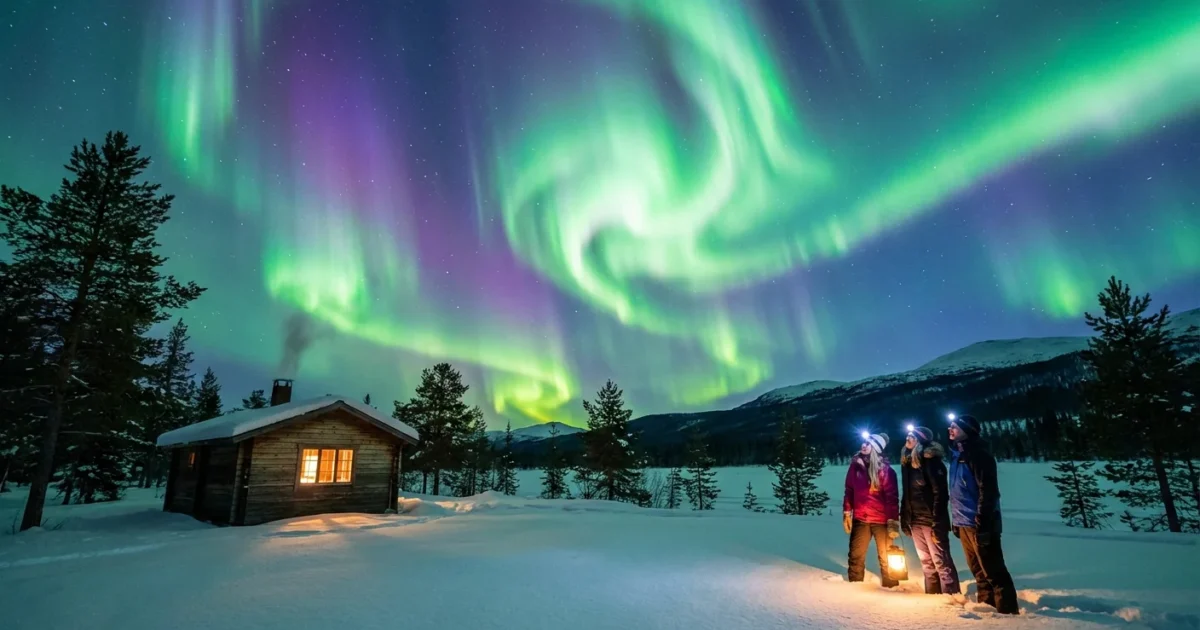
BREAKING: Northern Lights Could Push Into the Northern U.S. Overnight
A high speed surge of solar wind is hitting Earth right now, and it is lighting up the aurora forecast. Minor geomagnetic storming, G1 on the space weather scale, is underway. Brief bumps to G2 are possible. That means the northern lights could creep into parts of the northern United States late tonight, with the best chance in the pre dawn hours.
What is driving tonight’s glow
This storm started at the Sun. A coronal hole, an open patch in the Sun’s magnetic field, is letting fast solar wind escape. Those charged particles are now streaming past Earth. When they meet our magnetic field, they funnel toward the poles and crash into oxygen and nitrogen high in the atmosphere. That energy turns into light. Greens come from oxygen about 100 miles up. Purples and reds appear when higher altitude atoms glow.
Geomagnetic activity is graded from G1 to G5. G1 is minor, G2 is moderate. Even a G1 can push the aurora well south of the Arctic, especially near midnight. Short bursts to G2 can bring brighter curtains and deeper colors.
Where and when to look
Based on the current solar wind and magnetic readings, aurora visibility may reach into as many as 15 states tonight. The best chances line up from the Pacific Northwest, across the Northern Plains and Upper Midwest, to the Northeast. Think Washington, Idaho, Montana, Wyoming, the Dakotas, Minnesota, Wisconsin, Michigan, Iowa, and into New York and northern New England. Alaska stays in the prime zone, as usual.
Timing is key. The most favorable window runs roughly 1 a.m. to 7 a.m. Eastern. Peak chances often sit around local midnight to 2 a.m. Look low and north first. You may see a pale arc at the horizon at the start, then the sky can erupt without warning.
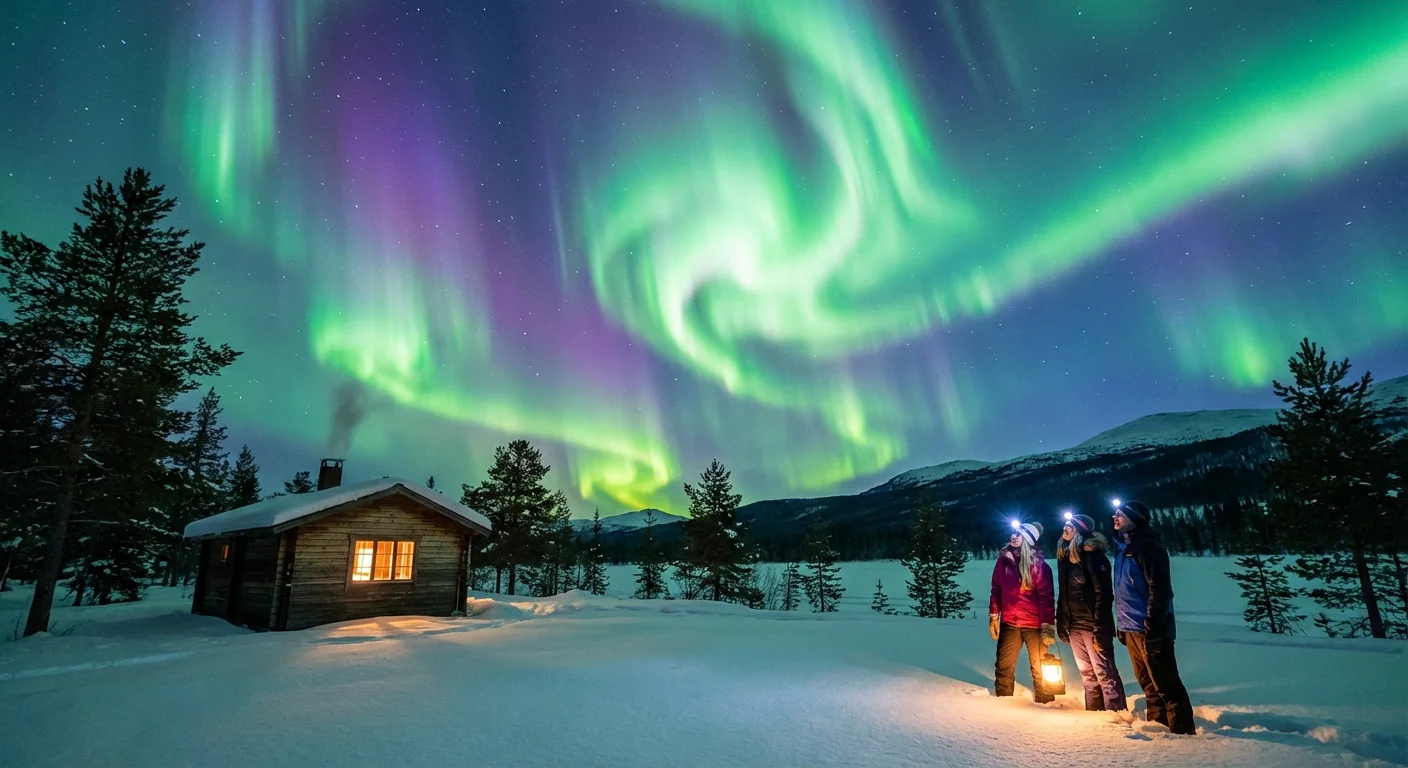
Head for dark, open ground with a clear northern view. Turn off car lights, let your eyes adjust for 20 minutes, and keep the horizon in frame.
How to track live conditions
Auroras are fast moving targets. The lights respond to changes in the solar wind that can shift minute by minute. Three live checks matter most.
- Kp index, a simple 0 to 9 gauge of geomagnetic activity
- Solar wind speed and density, higher speed boosts odds
- Bz, the north south direction of the solar magnetic field, south is good
Kp of 5 often brings a G1 storm, which can move the auroral oval into the northern tier. If Bz tilts strongly south for an hour or more, the lights tend to surge. Trusted alert services and dedicated aurora apps push real time updates, so keep your phone handy, then put it back in your pocket to save your night vision.
Why this is happening more often
We are nearing the peak of Solar Cycle 25, the Sun’s current 11 year activity rhythm. Solar maximum loads the dice. Coronal holes are more common. So are flares and ejections. More solar wind energy reaches Earth, so mid latitude auroras pop up more often, and they can reach farther south.
This month has already delivered several lively nights. Tonight continues that run, though the core of the action today looks minor. My outlook shows a brief lull after this stream relaxes, then another active window around January 19. That next round also has G1 potential if the Sun’s magnetic geometry lines up again.
Safety and tech impact
G1 storms are usually a light touch for technology. There can be mild radio noise, slight GPS wobble, and tiny fluctuations on long power lines. Satellite operators watch drag and charging, but they plan for nights like this. If we do spike to G2 for a short time, effects can tick up, then ease as the storm settles.
On the ground, the bigger risk is weather and darkness. Clouds can erase the show. Frosty roads and deep cold can sneak up on you while you stare at the sky.
Dress for wind and cold. Do not stop on highway shoulders. Park legally, respect private land, and keep a red flashlight for safety.
What to do right now
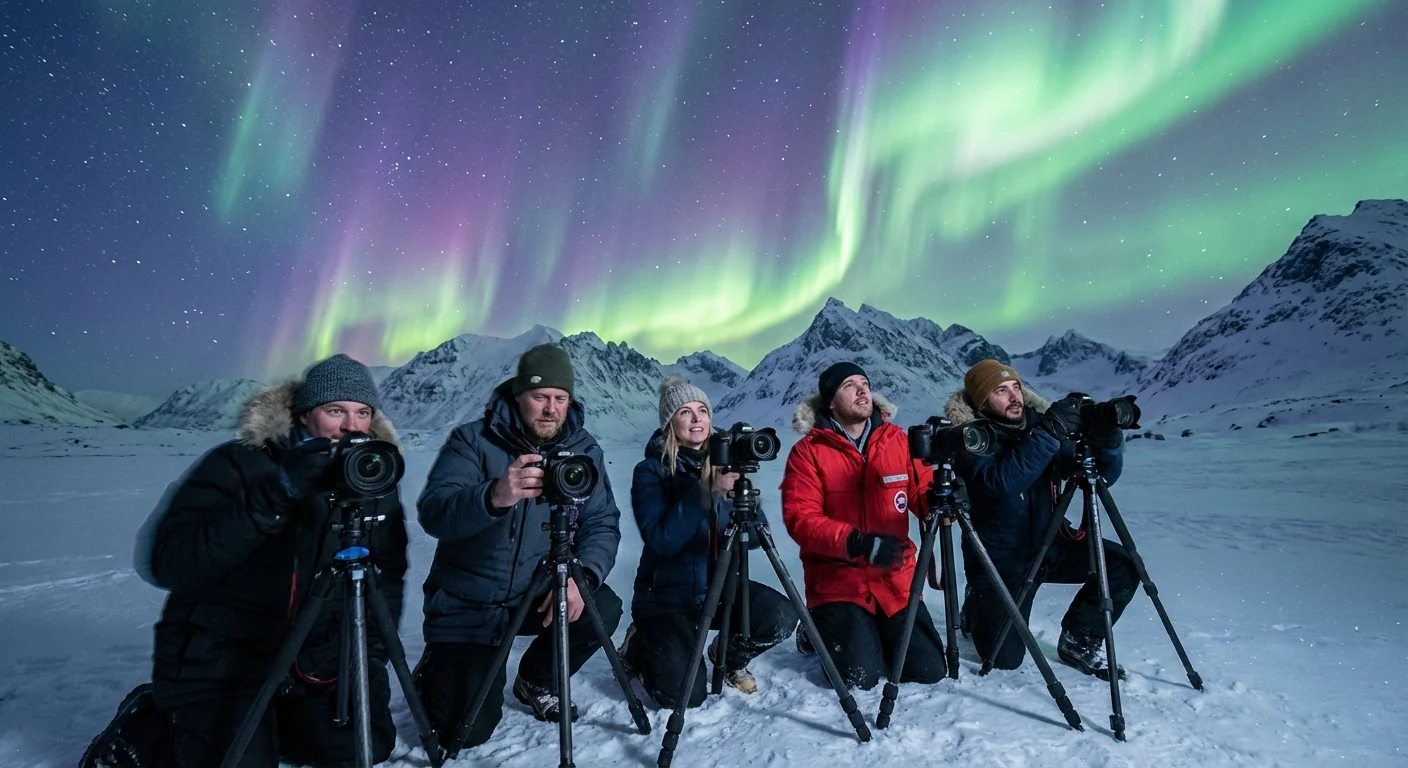
If you live in the listed states, you are in play. Step out after midnight, scan the northern horizon, and be patient. Cameras see the first signs faster than eyes, so try a 5 to 10 second exposure on a tripod. If the arc brightens, you may get pillars and waves within minutes. If it fades, wait. The solar wind flickers, and the next pulse can rise without warning. 🌌
Conclusion
The Sun has opened a fast lane to our planet tonight, and Earth’s magnetic field is answering with color. With G1 storming underway and a chance of brief G2, the aurora could brush much of the northern United States in the small hours. I will keep watching the live indicators. For now, set an alarm, find a dark spot, and look north. The sky may deliver.