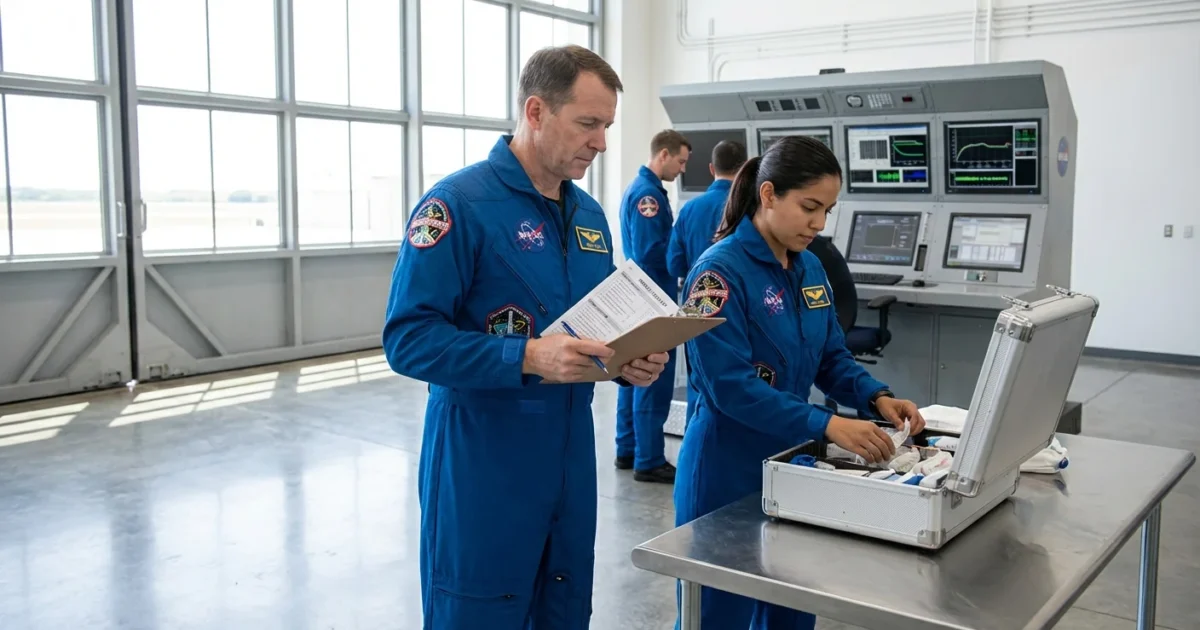
Breaking: NASA is weighing an early ride home for part of the International Space Station crew after a medical issue was reported on orbit. I confirmed today that details remain private to protect the astronaut, but station systems are stable and work continues while flight surgeons assess the situation.
What we know right now
NASA tells me mission control is in direct contact with the crew. A medical concern was reported, and the team is evaluating all options. That includes staying on orbit with treatment, or arranging an early return if health demands it. The decision will balance the astronaut’s condition, vehicle readiness, and landing conditions on Earth.
The crew trains for this. Every long mission includes a designated crew medical officer. That astronaut has extra medical training. All crew can use the onboard medical kits and follow step by step checklists with doctors on the ground.
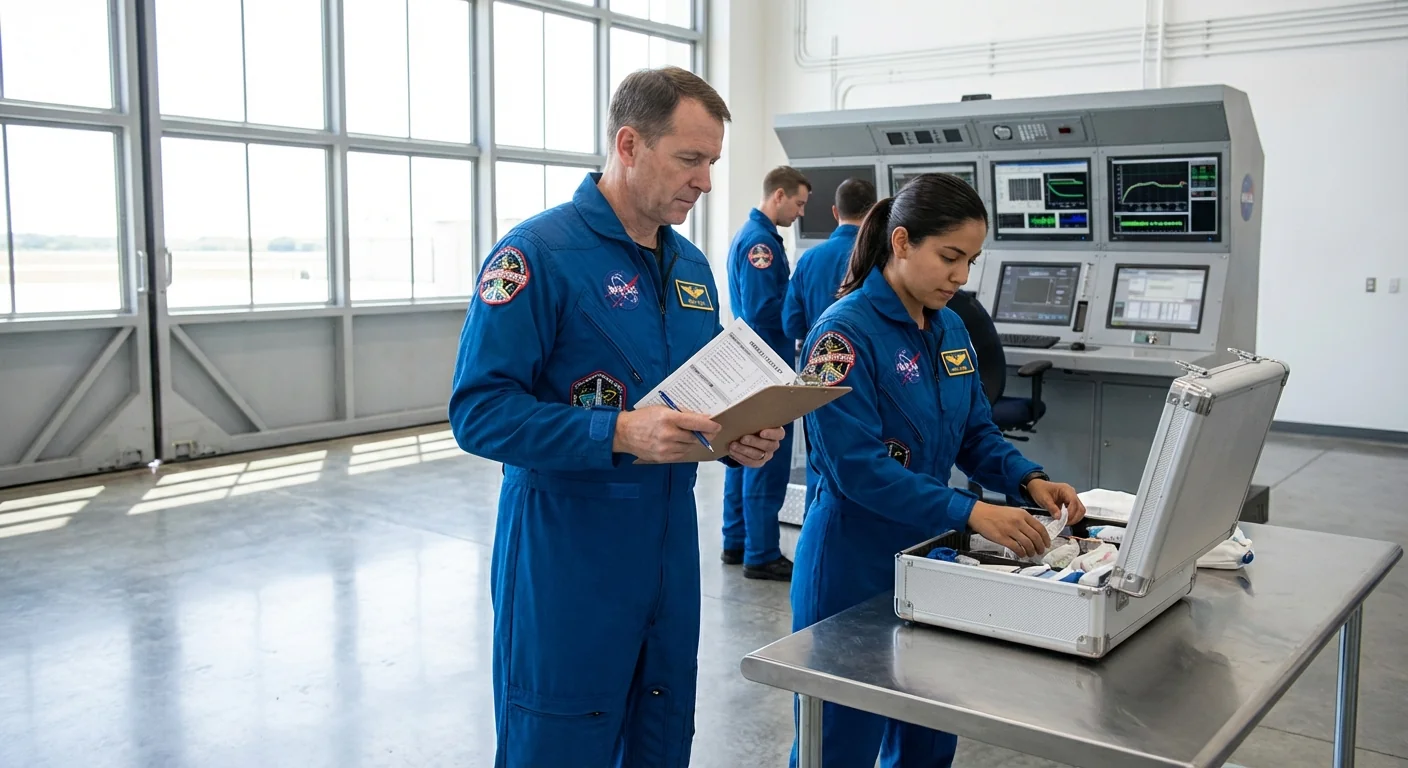
NASA reports no station wide safety risk. Life support, power, and attitude control are normal.
How medicine works in microgravity
The ISS is far from a hospital, yet it carries a compact clinic. Inside are medications for pain, infection, and allergies. There is oxygen, IV fluids, an automated defibrillator, and tools to check blood pressure and oxygen levels. The ultrasound is the star device. It can image the heart, abdomen, and veins. On Earth, a doctor guides the crew by live video and voice, telling them where to point the probe.
Microgravity changes the body fast. Fluids shift toward the head. Heart rate and blood volume adjust. Muscles and bones weaken if you do not exercise. Even the immune system can react differently. All of this shapes how doctors read symptoms and choose treatments.
The response playbook
- Stabilize the astronaut, check airway, breathing, and circulation.
- Call flight surgeons, connect by secure voice and video.
- Run a focused exam, use ultrasound if needed.
- Start treatment from the onboard kit, then monitor trends.
- Reassess. If the condition stays unstable, plan an early return.
Ultrasound in space is powerful. Guided by Earth doctors, astronauts can scan organs within minutes.
When do astronauts come home early
Evacuation from the station is rare, but it is planned. NASA and its partners use medical rules that sort events as routine, urgent, or return now. A return now call means the risk of staying is higher than the risk of reentry.
- Uncontrolled bleeding or severe trauma
- Chest pain that suggests a heart attack
- Stroke like symptoms or sudden loss of function
- Severe infection that does not respond to treatment
Crewed spacecraft at the station act as lifeboats. A vehicle can undock within hours if needed. The reentry timeline depends on orbital position, ground support, and weather at landing sites. Doctors also consider how g forces, dehydration, and cabin pressure will affect the patient. The goal is to deliver the astronaut to a trauma center as soon as possible, without adding risk during descent.
An early return reshapes the mission, but the medical call comes first. Hardware can be replaced. A life cannot.
Why space changes the case
Space medicine is not just Earth medicine in a small room. Microgravity alters how drugs are absorbed. Fluid shifts can mask dehydration. Carbon dioxide can build up in pockets of air and trigger headaches. The vestibular system, the inner ear, gets confused, so nausea and dizziness can appear and fade without warning. Radiation is higher than on Earth, which can stress the body’s repair systems. Vision can change during long missions, due to fluid pressure behind the eyes. All of these factors are in play when doctors judge risk.
This is also where the science pays off. Decades of ISS studies have built models of how the heart, blood, and immune system react in orbit. Those data guide today’s protocols. They reduce guessing and give doctors a safer path when minutes matter.

What this means for the mission
If NASA calls for an early return, expect a tight choreography. The crew will configure the vehicle for undock, don pressure suits, and check life support loops. Mission control will time the deorbit burn to hit the correct corridor in the atmosphere. Recovery teams will stage at sea or on land, ready with medics, oxygen, and rapid transport to a hospital.
If the astronaut remains on orbit, the plan shifts to monitoring and treatment. Schedules will flex. Science work that is time sensitive may continue with other crew. Lower priority tasks may pause. This is routine risk management, and it is practiced again and again in sims before a mission ever launches.
Conclusion: NASA is doing exactly what it trained to do, protect the crew while keeping the station safe. The agency is evaluating the astronaut’s condition in real time, with the tools and data built across a quarter century of human spaceflight. The next decision will come from the science, not the schedule.