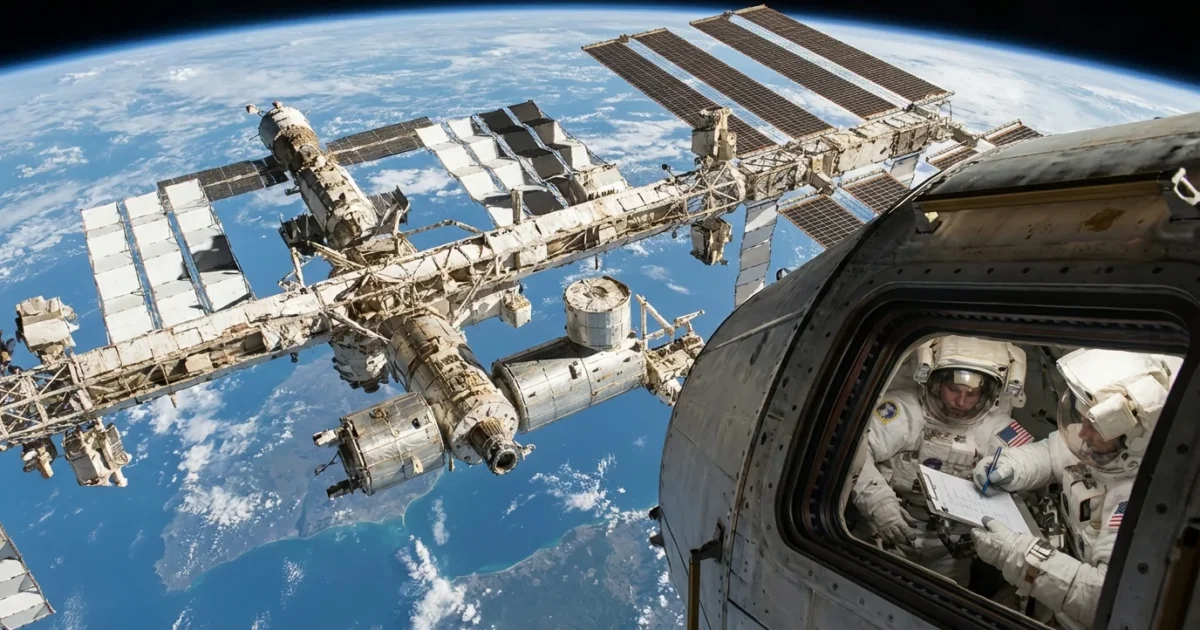
BREAKING: NASA weighs crew medical concern on Space Station, spacewalk may slip
NASA is assessing a medical concern involving a crew member on the International Space Station today. A planned spacewalk could be delayed while flight surgeons and mission controllers evaluate the situation in real time. The agency confirms it is reviewing every option to keep the crew safe and the station running.
What we know right now
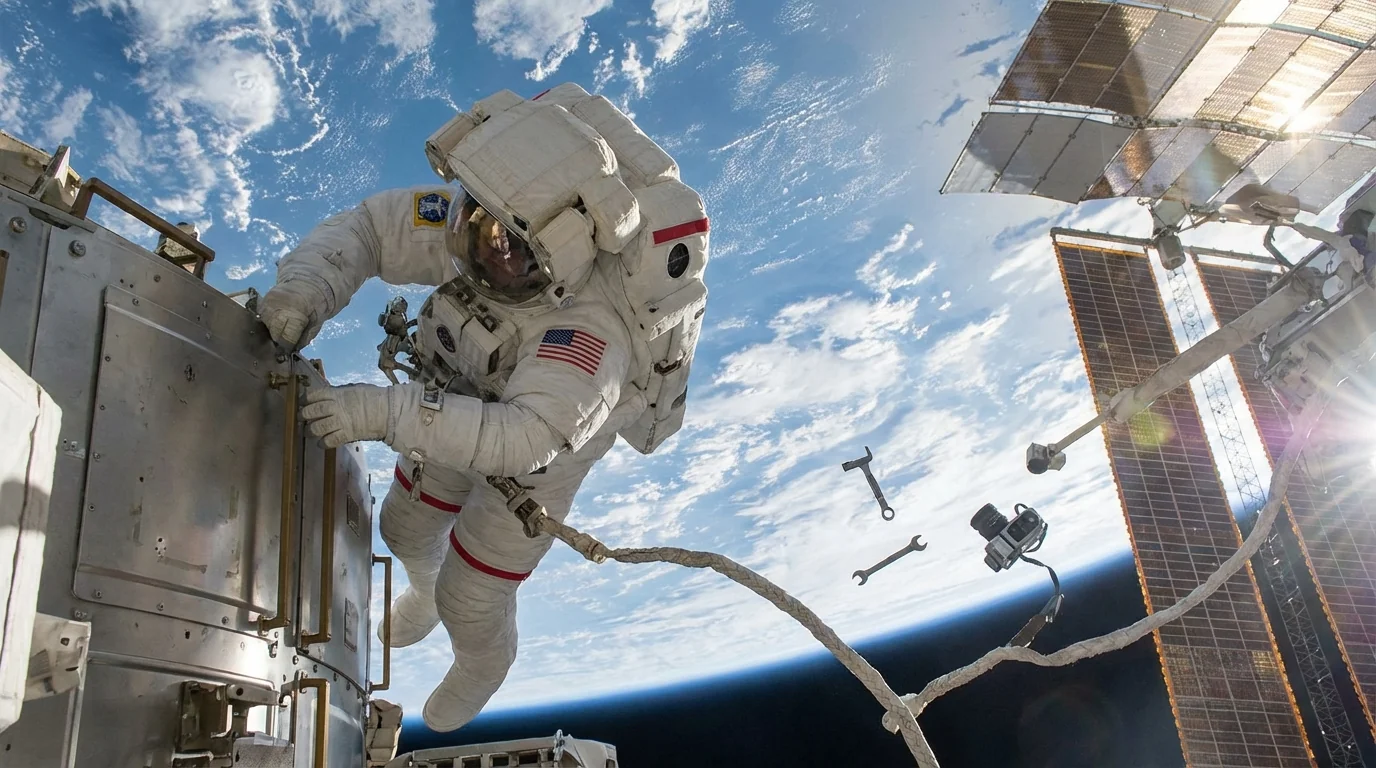
A routine external maintenance spacewalk was on the schedule. That event is now under review. NASA has not shared details about the affected crew member. The focus is on health, safety, and mission continuity.
Operations on the station continue. Research can proceed. Internal systems are stable, and the crew has the tools to adapt. On Earth, the teams in Houston and partner centers are ready to shift timelines as needed.
NASA protects astronaut medical privacy. Only essential information is released, and only when it supports crew safety and public understanding.
How NASA makes the call
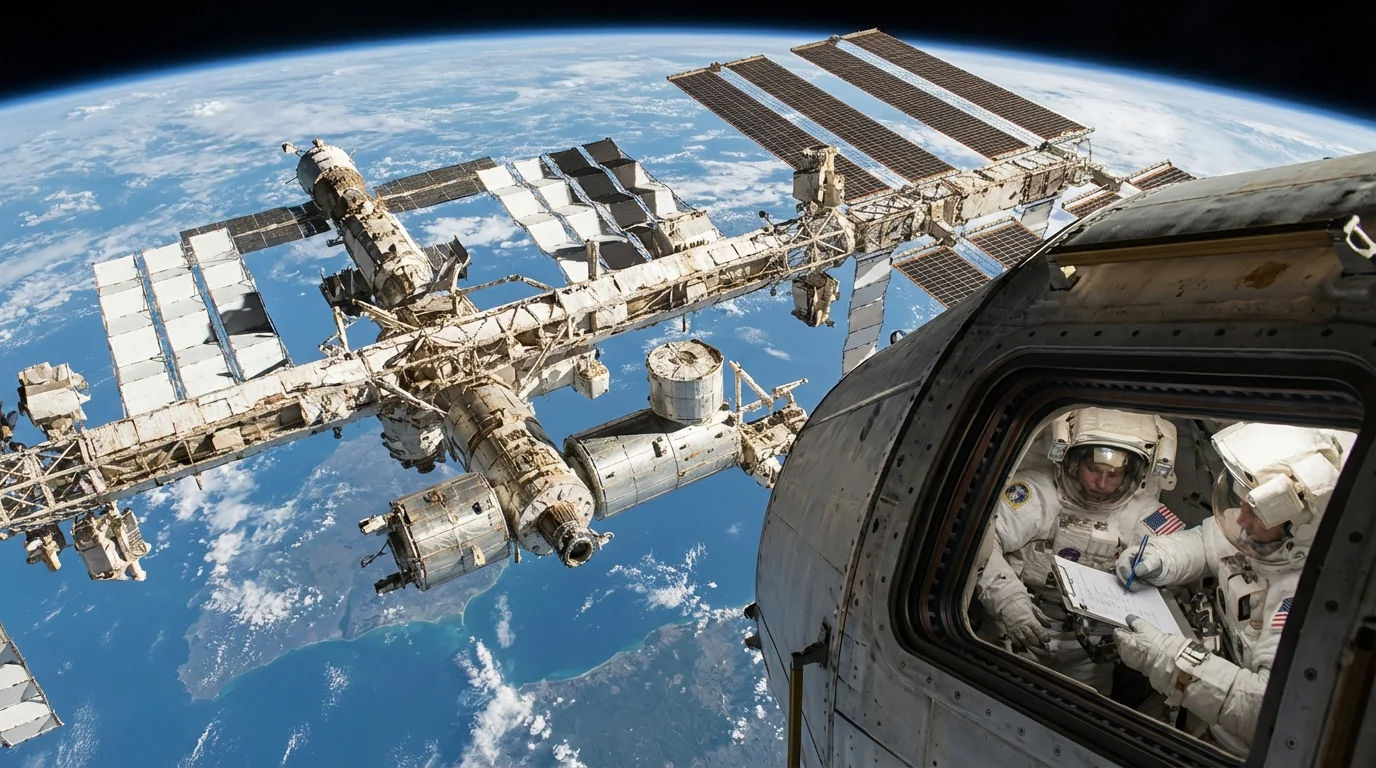
Spaceflight medicine is built on layers of checks. Each astronaut is monitored with daily health logs and real time conversations with a flight surgeon. The station carries a medical kit that includes ultrasound, vital sign tools, and common medicines. Crews train to use these with expert guidance from the ground. If a problem appears, the timeline flexes.
A spacewalk amplifies risk. The suit is its own life support system. It must be sealed, pressurized, cooled, and clean. Before every excursion, astronauts breathe pure oxygen to clear nitrogen from their blood. This reduces the chance of decompression sickness, also called the bends. If a health flag appears, the go, no-go decision shifts to no-go. The risk is not worth it.
Mission Control follows strict flight rules. These rules define when medical concerns force delays, when tasks can be moved to the robotic arm, and when a different crew member can step in. Engineering teams then repackage the task list so science and maintenance continue with minimal gaps.
What NASA teams do during a medical review
- Confirm the crew member’s status with the flight surgeon
- Check suit readiness, airlock timing, and oxygen prebreathe plans
- Rebuild the task list for inside work and future spacewalk windows
- Use robotics to buy time, if the job allows it
No spacewalk proceeds if there is any doubt about crew health. EVA risk is manageable only with full confidence in people and hardware.
Why spacewalk timing matters
Spacewalks are carefully timed events. The station’s orbit sets daylight and darkness periods. These affect visibility and suit temperature control. Solar activity can raise radiation levels. Certain maintenance tasks must be done when the station is in the right attitude and power mode.
The human body adds more timing rules. Prebreathe takes hours. Hydration, nutrition, and rest windows matter. A minor issue, like a headache or skin irritation, can become a major distraction outside. A more serious symptom, like dizziness, could be dangerous in a suit. Delays, while frustrating, are a proven way to keep astronauts safe and mission goals intact.
Science on orbit continues
Even if the spacewalk slips, the science does not stop. The crew can continue studies on plant growth, protein crystals, and fluid physics in microgravity. Many of these experiments feed real world results on Earth. They guide new drugs, better materials, and improved food systems.
The station’s robots also help. Canadarm2 and Dextre can shift pallets, inspect gear, and sometimes replace parts. This gives planners breathing room. It also shows how human and robotic teams work together in space, a model for future moon and Mars missions.
Space medicine born on the station improves care on Earth. Telemedicine, compact ultrasound, and wearable sensors used in orbit now support rural clinics and emergency teams. 🧪
What comes next
NASA will post the next update after the medical review is complete. The outcomes are clear. The spacewalk could proceed with changes. It could be reassigned to another pair of astronauts. Or it could move to a later date that fits both health and station needs.
For now, safety comes first. The crew is trained for this. Mission Control is built for this. Spaceflight is careful by design, and that is why it works.
In the end, this is how exploration stays steady. We pause. We assess. We adjust. Then we go, with clear eyes and healthy crews, to do the job that moves science forward. 🚀