

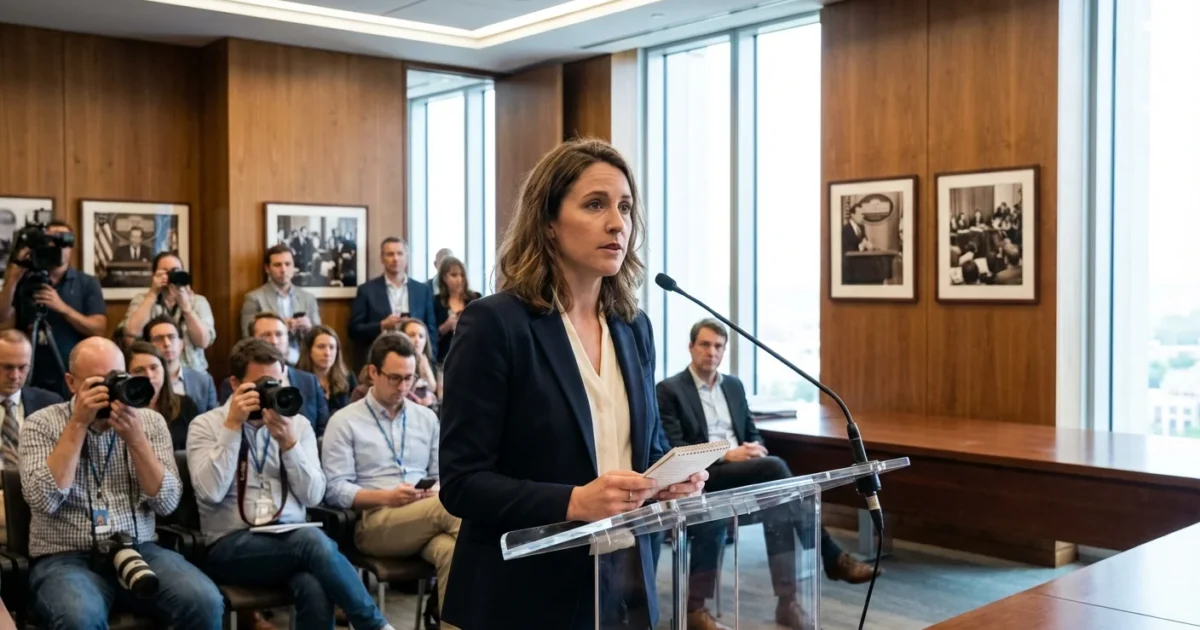
Breaking: The Vanity Fair photos tied to Susie Wiles are not just portraits, they are now part of the 2024 fight. Vanity Fair published Part 1 of a high profile interview with Wiles, a key Republican strategist. The quotes drew headlines. The images did the rest. Together, they turned a profile into a political event.
The Photos That Shaped a Headline
Vanity Fair understands how to stage power. Carefully lit portraits, tight framing, and clean lines push a message. The magazine presented Wiles as the strategist at the center of the room. That visual choice matters. It signals authority. It asks readers to take her words as the view from inside.
The text includes a striking claim. Wiles says Donald Trump appears in Epstein related files, yet she describes no wrongdoing. Visuals meet that line in a potent way. The photos make the messenger look precise and serious. That mix gives the quote longer life in politics. It also narrows how people read it, less as gossip, more as testimony.
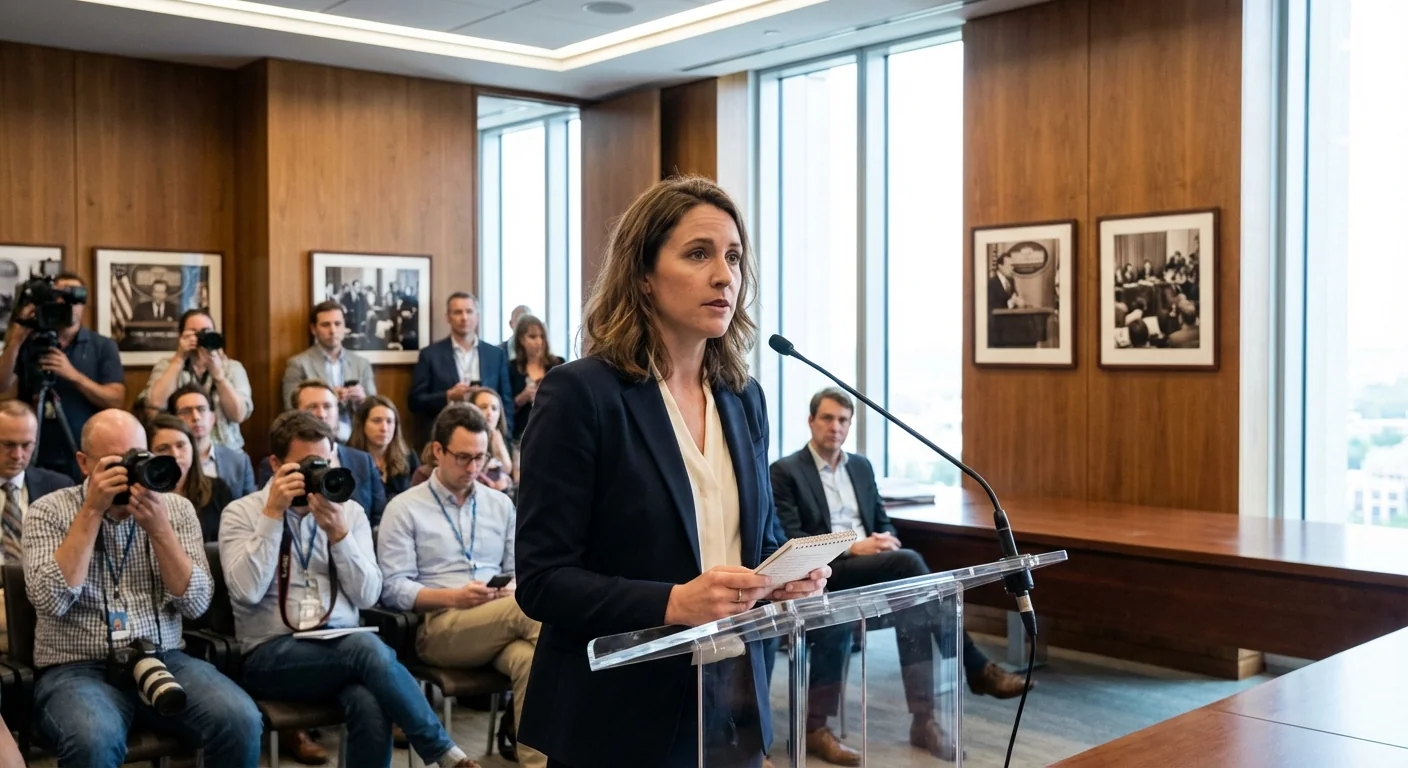
Pictures do not sit beside politics. They set the table for how we judge power.
How Editorial Framing Drives Partisan Response
Republicans will see a cool, competent aide, speaking cleanly and without drama. That is useful to a campaign that wants discipline. The images support that story. They soften the charge in the text, and place it in a context of control.
Democrats will see something else. They will argue the photos glamorize closeness to power. They will say the visual tone wraps a sensitive subject in a brand. Expect the party to use the spread as an example of media laundering. Fundraising emails write themselves when a magazine shoot meets explosive words.
Late night shows picked up the interview tone and the quote. Their reaction locked in the next step of the narrative. The pictures gave producers ready frames to run. The result is simple. The visuals made it easier to repeat the story.
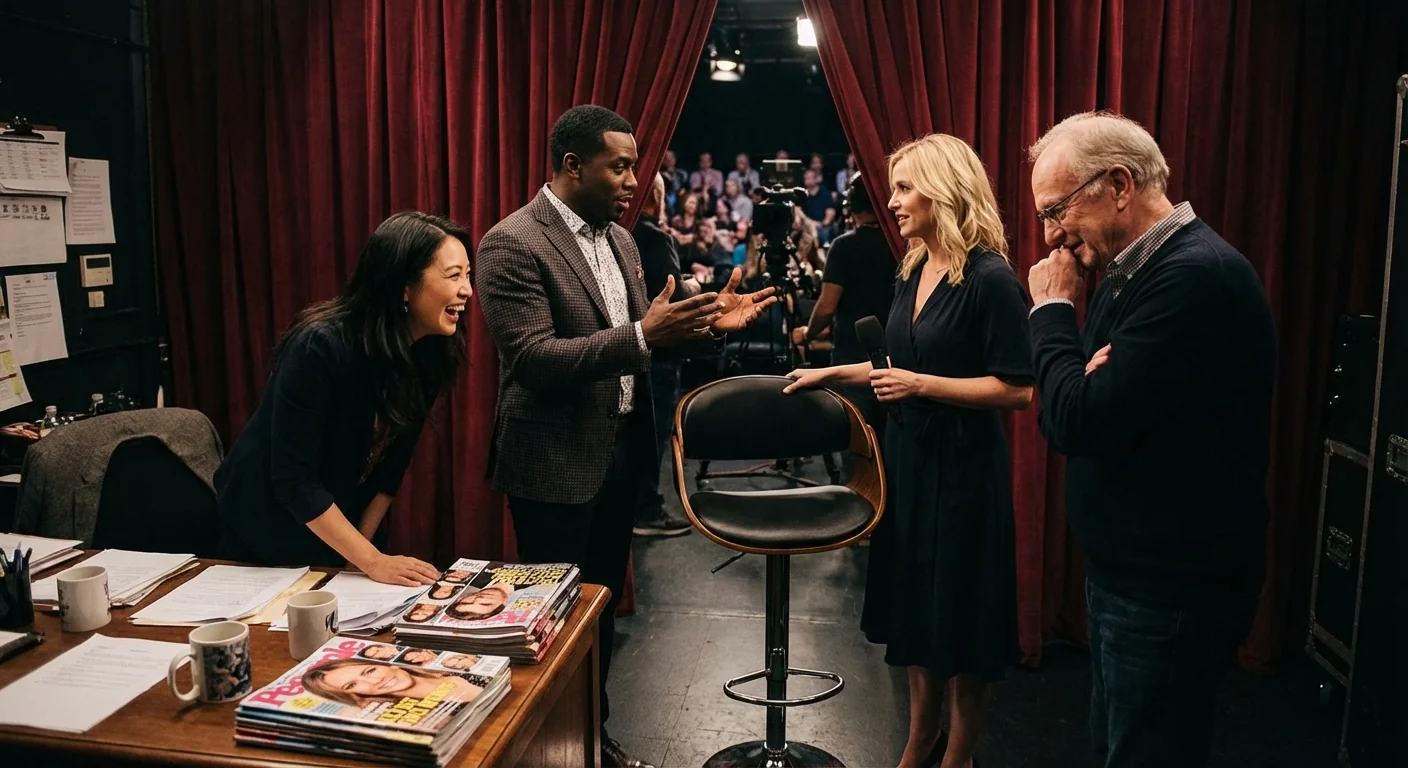
In modern campaigns, the image lands first. The words arrive second, and often on the image’s terms.
Policy Stakes, Not Just PR
This is not only about spin. The Wiles interview touches a live policy vein. House and Senate committees already face pressure to handle Epstein related records. Wiles’s remark, amplified by polished photography, raises the heat again. Members can now point to a mainstream feature to justify letters, hearings, or witness lists. That can shift time and money inside Congress.
Campaign law and ethics also enter the frame. When a strategist’s portrayal conveys legitimacy, it affects how donors judge risk. A composed portrait can calm big checks. It can also spark watchdog complaints if critics claim the magazine sanitized a conflict.
Here is what I am watching next:
- Whether committees cite the interview in new oversight moves
- If campaigns lift the visual style for ads or fundraising
- How press offices weaponize still images in talking points
- Whether civic groups push for clearer standards on public records
The Civic Impact
For voters, this moment is a media literacy test. Do not only ask what was said. Ask how the photo spread guides your eyes. The image order, the gaze, the color choices, all cue meaning. They tell you who holds the room. That is influence, even before the first quote appears.
The risk is familiar. Styling can eclipse substance. But there is also a benefit. Visual clarity forces campaigns to answer in full view. Images like these make it harder to duck. If Wiles presents calm command, rivals must meet her on that ground or look small. That can clarify choices for the public.
Conclusion: The Vanity Fair photos did not just decorate a big interview. They powered it. They turned a tense line about Trump and the Epstein files into a bigger political test. Parties will spin, committees may move, and voters will read the images as much as the words. That is the real headline today.

