

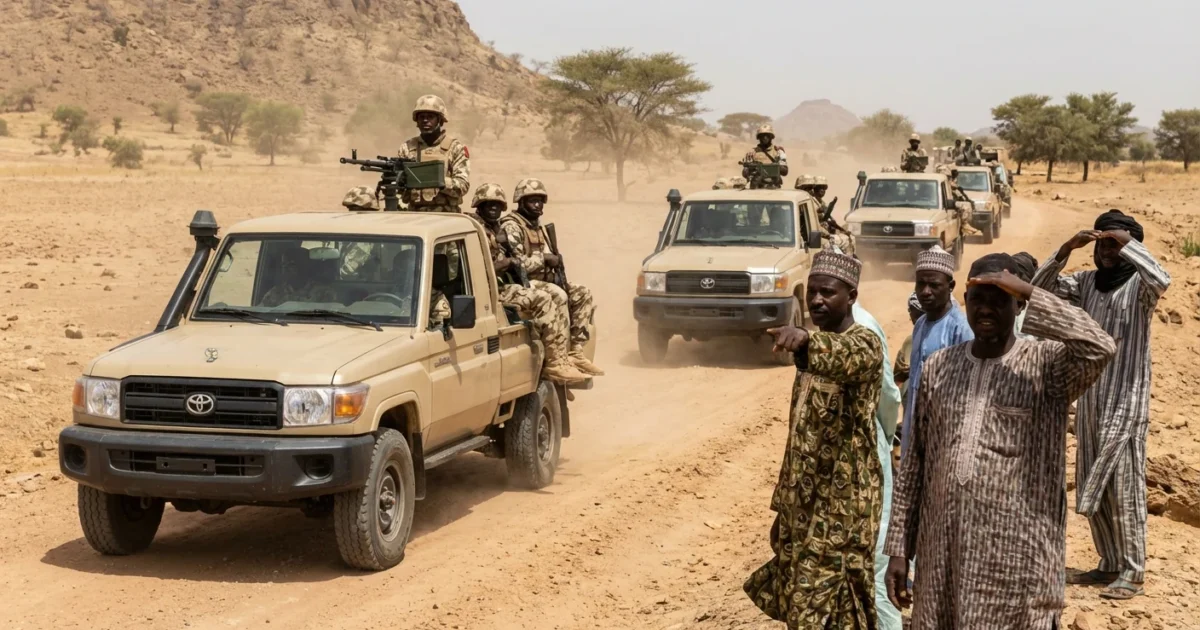
Breaking: U.S. strikes hit ISIS-linked targets in northwest Nigeria. The operation was announced publicly by Donald Trump, who said American forces engaged militants tied to ISIS. Key details are still limited. Nigerian officials have not released a statement. The Pentagon has not confirmed casualties or target identities. I am tracking fresh updates from both capitals.
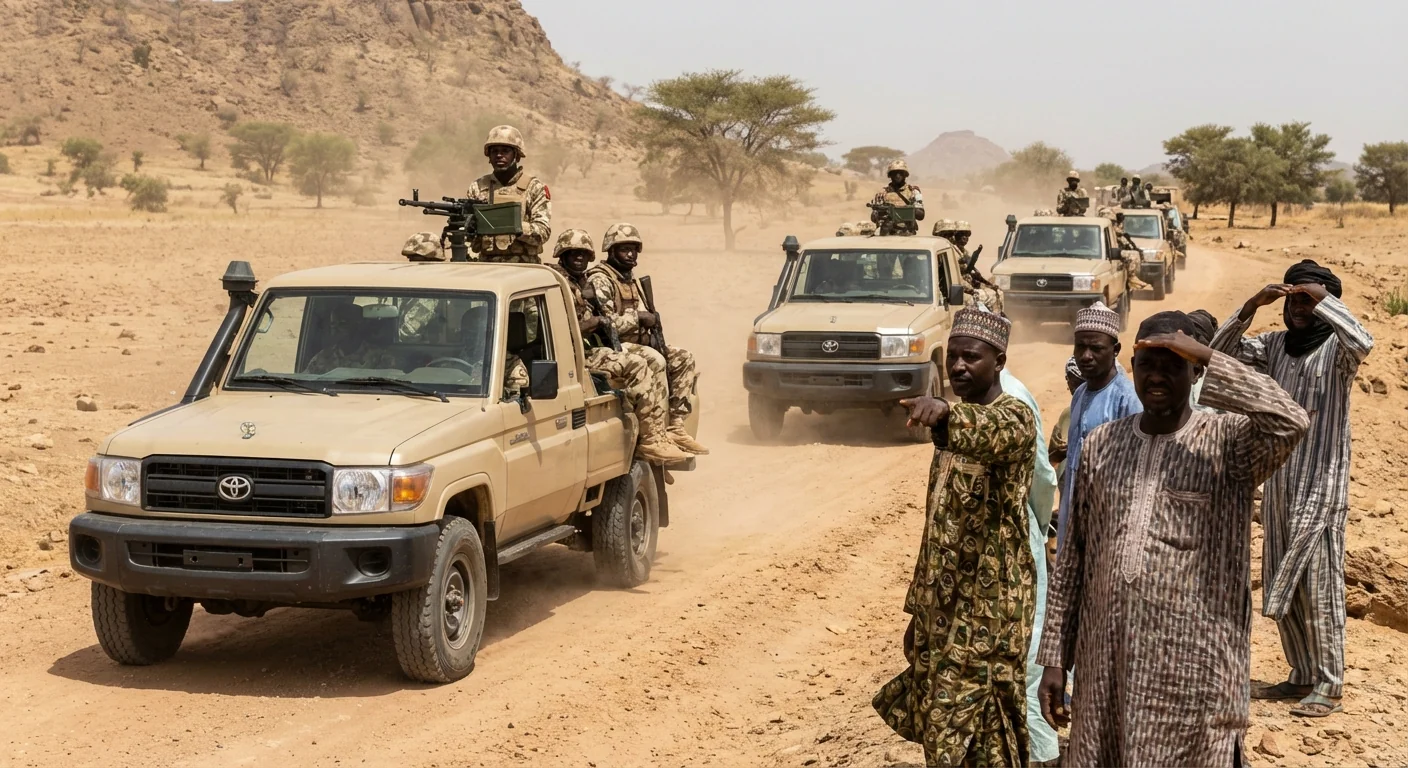
What happened, and what we know now
U.S. military aircraft carried out strikes in northwest Nigeria. The targets were described as ISIS or ISIS-affiliated fighters. The timing, exact locations, and the size of the strike package remain unclear. There is no official number of casualties. There is also no confirmation of ground coordination with Nigerian forces.
The northwest has seen a dangerous mix of armed gangs and jihadist cells. Some have ties to global networks. Others operate as bandits who tax, kidnap, and smuggle. Any overlap creates risk for civilians, and for local security forces who are already stretched thin.
No casualty figures have been released. Both Washington and Abuja could revise details as assessments come in.
Why this matters for Nigeria and the region
This strike lands in a sensitive zone. Northwest Nigeria borders states that have faced deep instability. Armed networks flow across porous frontiers. A hit on ISIS-linked cells could disrupt plots. It could also spark retaliation against villages or highways.
Nigeria’s government has pushed to reclaim control in the northwest. It has tried amnesty offers, military sweeps, and community defense. A foreign strike adds a sharp new variable. It could help remove high value targets. It could also inflame a sovereignty debate that rallies critics in Abuja and across the North.
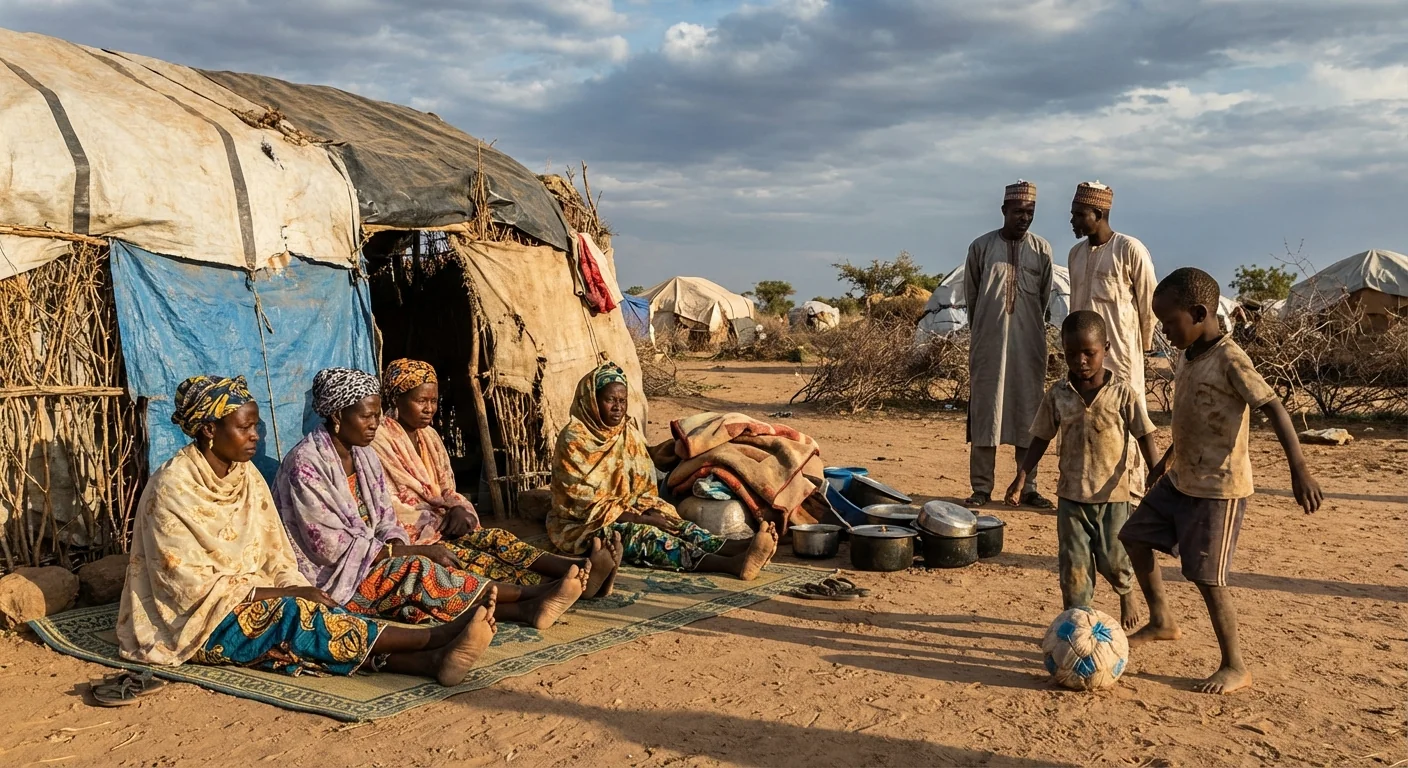
Humanitarian risks are immediate. Displacement in Zamfara, Katsina, and Sokoto is already high. Any misfire, or even the fear of one, can push families to flee. Aid access is fragile. Local trust is thin.
The legal and diplomatic stakes
This action raises hard questions on both sides of the Atlantic.
In Nigeria, the constitution centers civilian control of the military and national sovereignty. Did Abuja greenlight the operation, and if so, when and how? Was there intelligence sharing or joint targeting? If approval was missing or vague, expect a fast response from lawmakers who guard national pride.
In the United States, the legal basis will face scrutiny. Past administrations have leaned on existing authorizations for force against terrorist groups. Applying those authorities inside Nigeria, a partner state, is a notable expansion. Congress will want answers on scope, consent, and end goals.
If coordination was tight, ties could deepen. If it was thin, relations could strain. Nigeria leads in West Africa, and it dislikes outside footprints that look unilateral.
Any sign of civilian harm could flip public opinion in Nigeria and force Abuja to pull back cooperation.
Partisan angles and political pressure
Politics will shape the fallout.
In Nigeria, opposition voices can press the sovereignty line. Northern leaders will ask if local communities were informed. Civil society will demand transparency. Abuja will weigh security gains against the optics of foreign aircraft hitting Nigerian soil.
In the United States, Republicans are likely to frame the strike as tough counterterrorism. Democrats will push for War Powers oversight and proof of consent. Both parties will ask for a clear objective, a timeline, and guardrails that limit mission creep.
The messaging battle started the moment the announcement went live. If the operation yields a named militant killed, supporters will claim success. If civilians were harmed, critics will seize the narrative, fast ⚠️
What to watch next
Here is what I am watching in the next 24 to 72 hours:
- A formal statement from Abuja confirming, denying, or clarifying consent
- Pentagon briefings with maps, targets, and battle damage assessment
- Local reports from the strike area, including hospitals and clinics
- Any claim from ISIS-linked media, and evidence to support it
Rely on official alerts and trusted local outlets. Do not share unverified videos or voice notes.
The civic impact
People in the northwest live with fear of raids, kidnappings, and road ambushes. A strike may remove a dangerous cell. It can also push fighters to scatter into new communities. Schools, markets, and farms are the first to feel that shock.
Trust is the real currency. If residents feel heard and protected, they will share tips and help isolate militants. If they feel ignored, they will hunker down or pay bribes to survive. That choice will decide whether this operation improves security, or just moves the front line.
The bottom line
Tonight’s strike is a high risk, high consequence move inside Africa’s most populous democracy. It could disrupt ISIS-linked networks. It could also set off a sovereignty clash and a humanitarian squeeze. The facts are still coming in. I will continue to press both governments for clarity, accountability, and a plan that puts civilians first 🇳🇬✈️

