


Breaking: Trump Turns the Colonnade Into a Battleground
I walked the White House Colonnade this morning and found new brass plaques fixed to the walls. Each one named a past president. Several included sharp, mocking lines about Joe Biden and Barack Obama. Staff described the row as a new “Presidential Walk of Fame.” The tone said otherwise. It read like a political message, delivered in the most symbolic hallway in American politics.
The choice of venue was not subtle. Presidents usually honor predecessors in these spaces. Today, that space carried a partisan edge. It was the White House as stage, and the audience was the country.
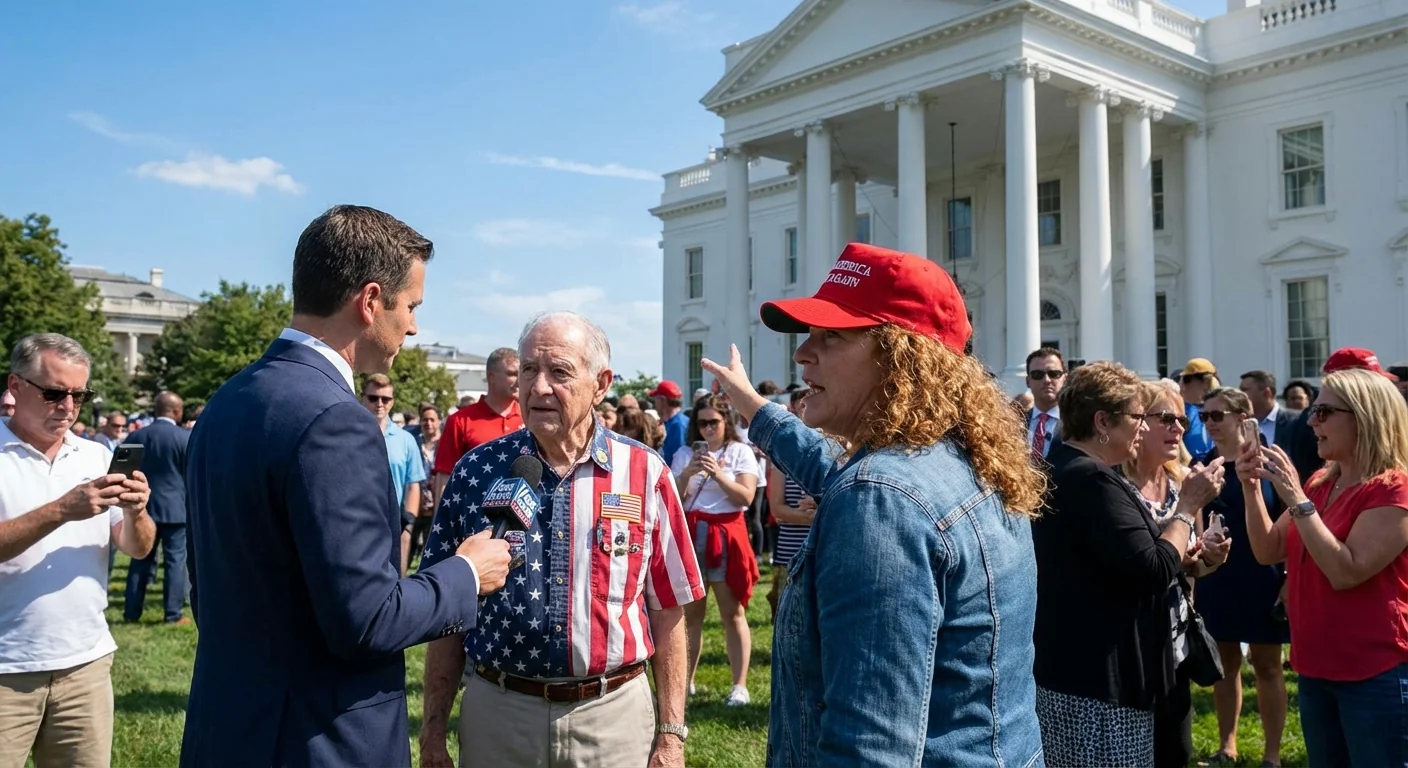
A Break With Decorum, On Purpose
The White House is not a campaign office. It is the seat of the presidency. Most presidents try to keep those lines clear. This installation punches straight through that line. It mocks living rivals. It reframes the presidency as a running commentary on opponents.
That is the point. Trump has long used setting as message. He held convention moments on the South Lawn. He staged signings with rally energy. Now he has etched his voice into the Colonnade. It is a message to allies. It is also a dare to critics.
The symbolism matters. Presidents govern by words and rituals as much as by laws.
What the Law Allows, What Norms Restrain
The legal ground here is narrow but real. The Hatch Act constrains most federal workers from political activity on duty. It does not apply to the president. That opens a door for political theater inside the White House. It does not make it wise.
There are other guardrails. The White House has a curator. There is a preservation committee. Changes to public facing spaces usually go through them. The Colonnade sits at the heart of that area. A temporary installation can slide past some process. A permanent display invites a fight.
Critics now ask about taxpayer funds, federal property rules, and precedent. Supporters say this is speech, not misuse. They call it humor. They call it truth telling. Both sides see the same plaques. They see very different boundaries.
Norms are easy to bend when the law is silent. They are hard to rebuild once broken.
The Partisan Bet, And The Risk
Politically, this is a base play. It turns the presidency into a running roast of foes. It keeps opponents on their heels. It also keeps Trump at the center of every camera frame. He sets the topic. Others must react.
But there is a cost. Voters who value decorum may recoil. Institutional Republicans face a choice. Cheer the move, or defend the building. Democrats see an opening. They will frame this as disrespect to the office. Independents may see noise where they want steadiness.
The plaques also give future presidents a new tool. If this stands, next time could go further. Imagine rival plaques, dueling captions, shifting with each term. The house of Washington turns into a scoreboard.
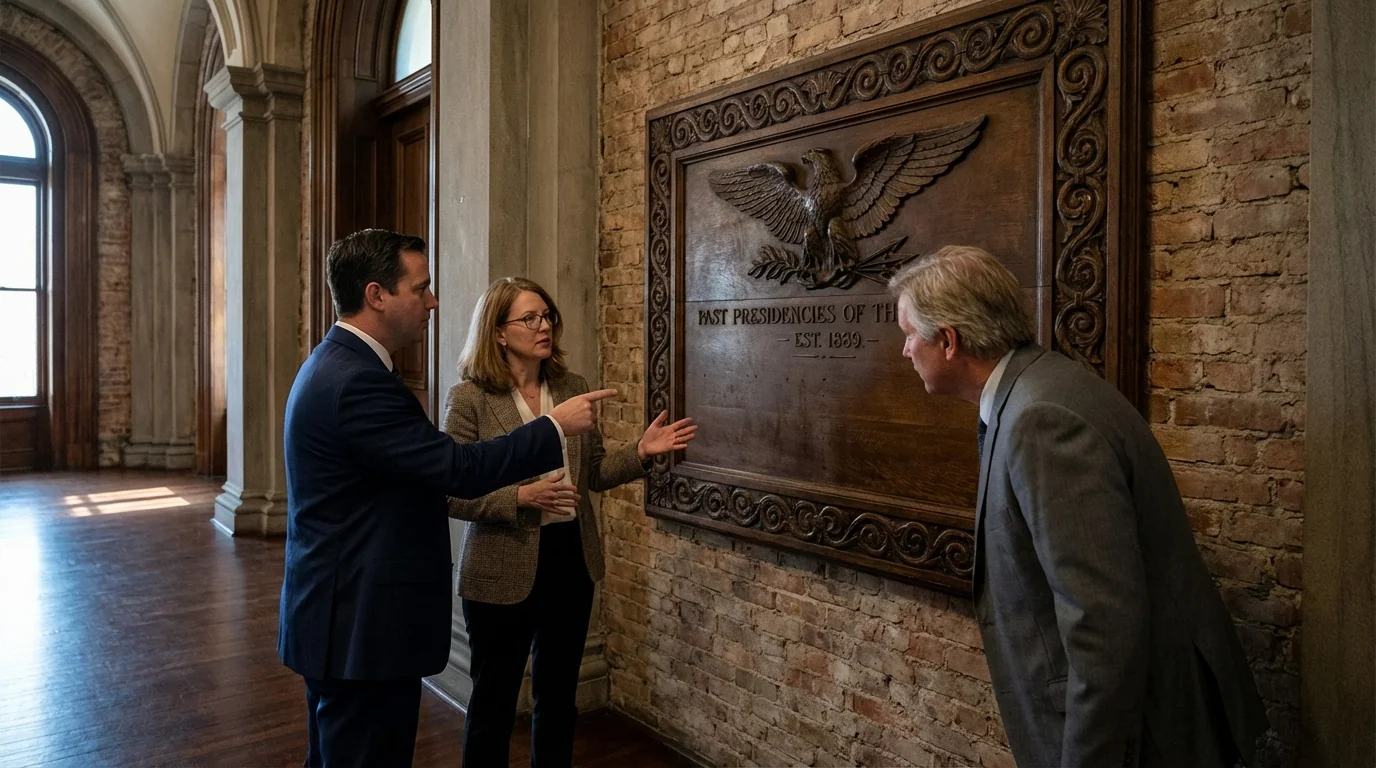
Civic Impact, Beyond The Day’s Story
This is not only about a hallway. It is about how we teach civics. Kids tour the White House to learn about history. They expect portraits, not taunts. Public spaces build shared memory. When those spaces pick sides, the memory splits too.
There is also the precedent problem. Once a norm breaks, it rarely returns on its own. That invites escalation. The next president can remove the plaques in minutes. That would spark a new fight. The cycle becomes the story, not the work of governing.
- What to watch next:
- Will the plaques be labeled temporary or permanent
- How the preservation bodies respond
- Whether Congress weighs in on funding or oversight
- If future events use the Colonnade as backdrop
Precedent is policy. A symbolic move today shapes real choices tomorrow.
Conclusion
The Colonnade has long told the story of the presidency. Today it tells a different story. A sitting president used that corridor to score points on rivals. It is bold, divisive, and entirely on brand. It also sets a marker. The White House can be a civic temple, or a partisan stage. This morning, it was the stage. The country will decide what it should be tomorrow.

