


Shock hit Davos today. A private message from France’s Emmanuel Macron, aired in public by Donald Trump, crashed the forum’s careful script. In an instant, the official panels faded. Trade threats and a crisis of trust took over the room.
The leak that rewired the room
This was not a casual aside. Trump chose to read out Macron’s note, then framed it as proof of French pressure. Macron pushed back within hours, telling allies he will not be boxed in by offstage theatrics or Greenland talk. The message leak turned a policy summit into a live stress test of alliances.
European officials moved fast. They huddled in hallway clusters, weighing tariff options and legal steps. Some warned that any new U.S. duties on autos or aircraft would meet a swift answer. Others urged calm, but the tone hardened. Davos is famous for private deals. Today, it became a stage for public leverage.

The forum’s power is not the panels, it is the private trust that makes deals possible. That trust just cracked.
Why this matters now
Davos sets the year’s mood for markets and diplomacy. Leaders float trial balloons here, then finalize at home. A breach like this changes the math. If messages can be aired at will, caution goes up, and compromise goes down. That means higher odds of tariffs, slower climate coordination, and fewer tech standards that line up across borders.
Policy stakes, from tariffs to tech
Trade comes first. Europe is drafting a response list that could hit cars, whiskey, and farm goods if the U.S. escalates. American officials are eyeing European digital taxes and privacy rules. They see them as unfair to U.S. firms. A tit for tat could spread fast, into aviation parts, medical devices, and cloud services.
Security is on the line too. The U.S. wants Europe to spend more on defense and back stricter export controls on sensitive chips. Europe wants fewer surprises and more say. If leaders cannot speak in private, they will speak less. That weakens coordination on Russia, the Middle East, and the Red Sea shipping risk.
Climate could be the quiet casualty. The U.S. wants clean energy supply chains that avoid China. Europe wants a carbon border fee that nudges polluters. These goals can align if leaders trade concessions. They will not align if trust drains away and every note becomes a weapon.
Tariffs do not punish in a vacuum. They raise prices for families and squeeze small firms that import parts.
The partisan fight, exported and domestic
In Washington, Republicans will hail the show of strength. They argue Europe only moves when pushed. They will point to high EU farm protections and digital fees as proof. Democrats will call the leak reckless. They favor pressure through coalitions, not public humiliation. Expect hearings, letters to agencies, and outreach to European embassies.
In Paris, Macron cannot look soft. He faces pressure from the left on climate and from the right on sovereignty. Standing firm against tariff threats helps him at home. In Berlin and Brussels, coalition politics make sharp moves harder, but the mood shifted. Leaders now talk about strategic autonomy with sharper edges.
Business groups are caught in the middle. They came to Davos for predictability, not pyrotechnics. Many fear a year of whiplash. They want a ceasefire on tariffs, clear rules on data, and a glide path for green subsidies on both sides of the Atlantic.
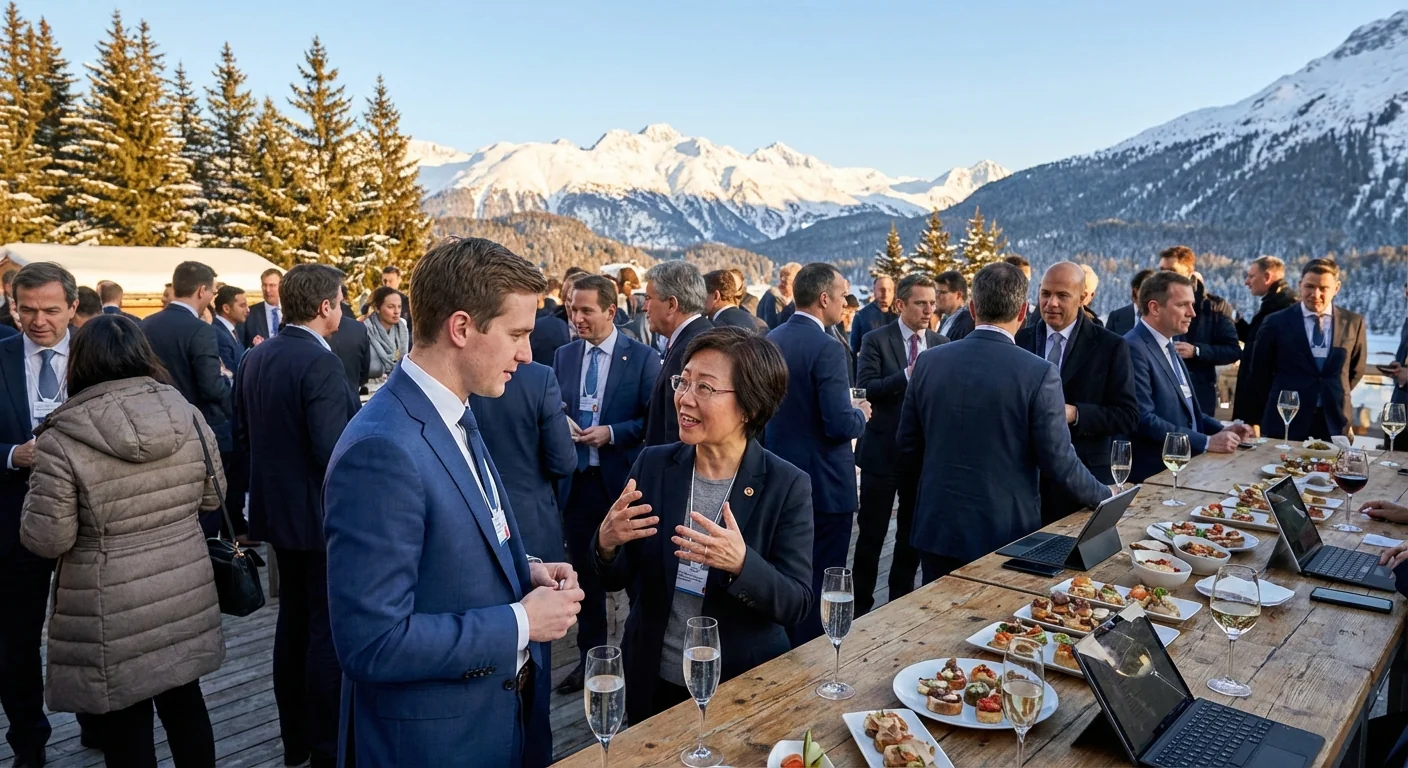
Here is what each side is signaling right now:
- The White House wants leverage on digital taxes and defense spending.
- Paris wants respect for private diplomacy and space to compromise.
- Brussels wants guardrails that stop sudden tariff blasts.
- Markets want clarity before central banks start cutting rates.
Civic impact, beyond the summit badge
This fight lands at the kitchen table. New tariffs mean higher sticker prices on cars and flights. Retaliation hits farm exports, which hurts rural jobs. Supply chain delays ripple into small workshops that rely on European parts. Even student exchanges and research grants can freeze when leaders stop trusting each other.
Tech rules are next. If the U.S. and Europe split on data, companies will juggle two sets of laws. That means fewer choices and higher costs online. Climate policy can also slow, which risks both jobs in clean energy and progress on emissions.
What to watch in the next 72 hours
- Does Europe publish a tariff list, or hold fire pending talks
- Do U.S. officials widen the target set, or invite a truce
- Are key Davos bilaterals canceled, or quietly salvaged
- Do central bankers hint at risk to growth in their remarks
I am already seeing staff reshuffle private meetings, moving them off-site or onto secure calls. That is the tell. When the quiet channels go dark, policy gets loud, and outcomes get rough.
Watch for a joint readout that mentions “framework” and “sequencing.” If it appears, the ice is thawing. If not, brace for tariffs.
The bottom line
Davos is a mirror. Today it reflected raw power politics, not polite panel talk. A single leak blew a hole in the forum’s core asset, private trust. If leaders fail to patch it fast, trade will turn into a tax on voters, climate plans will drift, and U.S.–EU ties will carry a bruise into the election year. The message from the Alps is blunt, trust is policy, and right now both are in short supply.

