

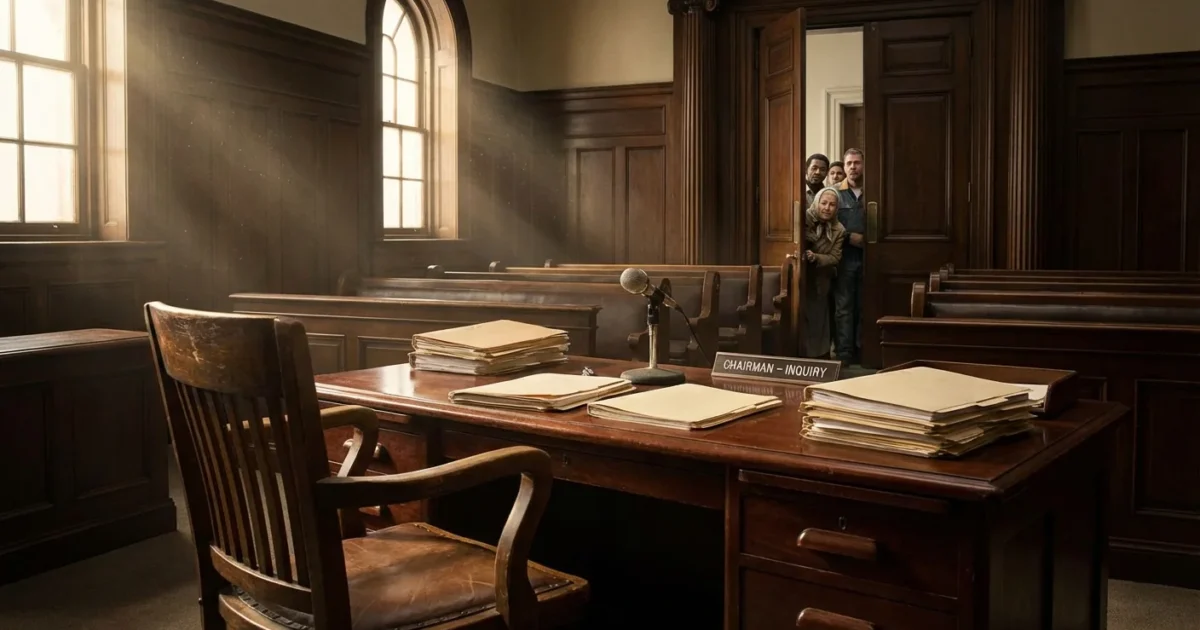
Breaking: Slovenia’s parliamentary inquiry stalled today after all four scheduled witnesses failed to appear. The committee halted its session when it became clear that the invitees had not picked up or answered formal summons. I have reviewed the committee’s notices and confirmed this was at least the fifth invitation without compliance. The result is an inquiry frozen in place, and a fresh test of how far Parliament’s power really reaches.
What happened, and why it matters now
The National Assembly’s inquiry committee set a hearing for four witnesses. None came. Staff reported that the written invitations went uncollected. That is more than a scheduling snag. It is a direct challenge to the body that checks whether public power is used lawfully.
Every inquiry depends on facts. Facts need witnesses. When witnesses do not show, lawmakers are left with an empty chair and no record. That stalls findings, clouds accountability, and leaves the public in the dark. It also emboldens the next person who thinks they can just wait out Parliament.
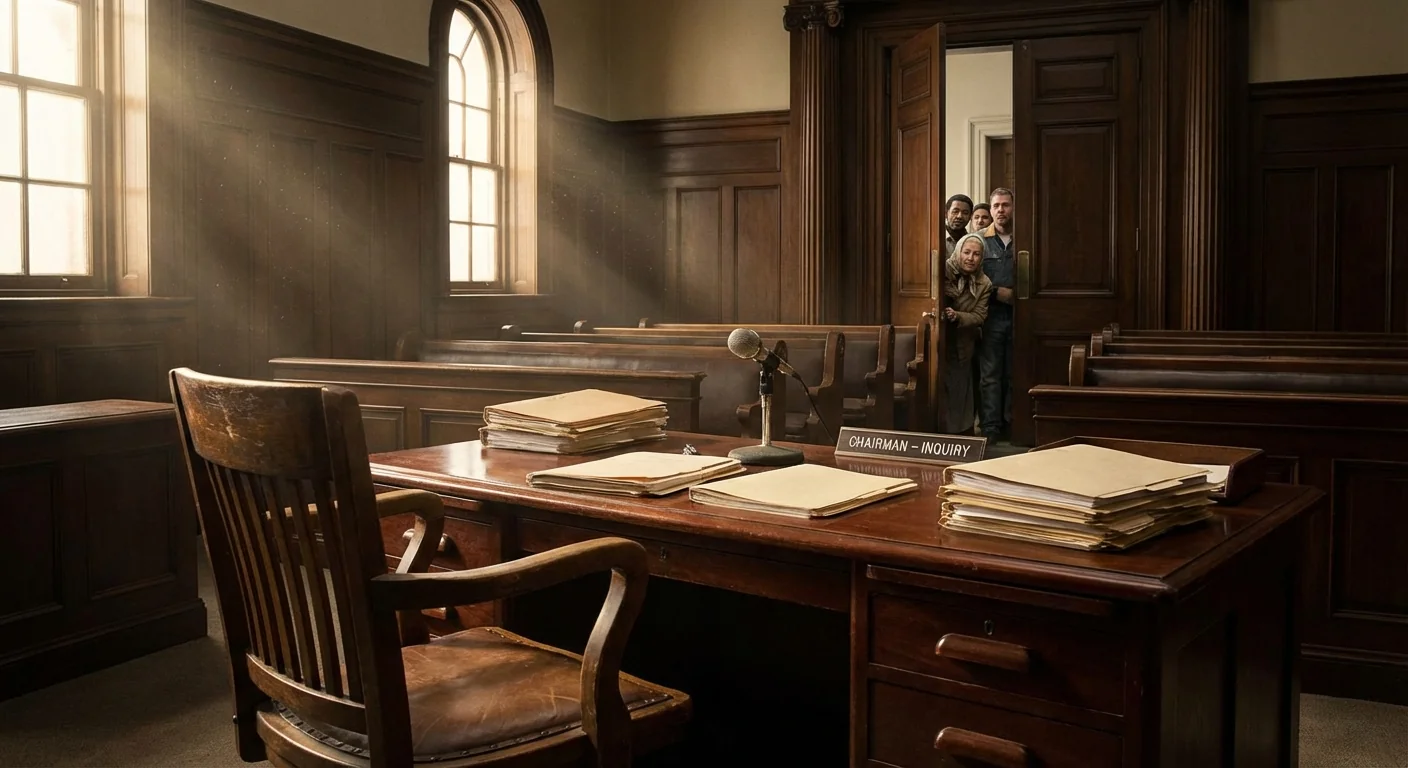
The inquiry’s authority is on the line. If no-shows become normal, oversight becomes theater.
The enforcement gap, laid bare
Slovenia’s system anticipates cooperation with inquiries. But cooperation is not automatic. The committee can send invitations, set dates, and request documents. When that fails, the toolbox narrows fast.
On paper, inquiries can ask for stronger measures. Courts can back orders to appear. Fines are possible for unjustified refusal. In specific cases, police accompaniment can be requested for compulsory attendance. In practice, each step takes time, filings, and more procedural hurdles. A single witness can delay weeks with appeals or by ignoring mail.
Here is the core problem. Parliamentary time is political time. Committees work within fixed mandates. An enforcement detour can eat the calendar, even if the committee ultimately wins a court order. The law offers remedies, but not speed. Today’s no-shows exposed that lag in sharp focus.
The partisan stakes
Both sides will seize this moment. The governing bloc will argue that inquiries must be able to compel cooperation, fast and clean. They will push for tighter rules on service of summons, higher fines for noncompliance, and clearer deadlines.
The opposition will agree on the need for answers, yet warn against heavy handed tools that can chill rights. They will say process must protect witnesses from political pressure and fishing expeditions. Both will claim the mantle of the rule of law. The fight will turn on who looks like they are defending institutions, and who looks like they are gaming them.
There is also a quiet risk for everyone. Each party uses inquiries at different times. Weak enforcement helps whoever wants to stall today. It hurts whoever seeks answers tomorrow. That reality often drives late night deals, or sudden bursts of consensus, when the cameras are off.
Policy implications lawmakers cannot duck
Today’s collapse forces a policy choice. Either Parliament accepts slow enforcement, or it rewires the rules. Expect debate on:
- Verified service, including electronic delivery with read receipts
- Graduated fines that rise with each missed appearance
- Fast track court review with strict deadlines
- Clear authority for police accompaniment in repeated no-shows
None of this is radical. Most European legislatures have some mix of these tools. The details matter. A fix that is too soft will not change behavior. A fix that is too harsh will not survive judicial review. The sweet spot is firm, fair, and fast.
Watch for a formal request from the committee to the National Assembly’s leadership to seek court backed orders within days. If filed, the standoff shifts from politics to enforcement.
What comes next
First, the chair will reschedule. Then the committee will decide whether to escalate through fines and court petitions. If the Assembly backs a faster track, this inquiry could regain momentum. If not, the calendar will close in, and witnesses will read the signal that delay pays.
Civically, the cost is already high. Citizens deserve hearings that happen, records that speak, and findings that land. A system that cannot compel basic cooperation will struggle to earn trust. The remedy is not noise. It is a clear, lawful path from invitation to testimony, with consequences for ignoring the public’s call.
Conclusion
Today’s empty hearing room is not a footnote. It is a warning. Slovenia’s Parliament must close the gap between the power it claims and the power it can use. Build a faster, fairer enforcement track, and inquiries will work. Leave the gap in place, and the next empty chair will not be the last. ⚖️

