

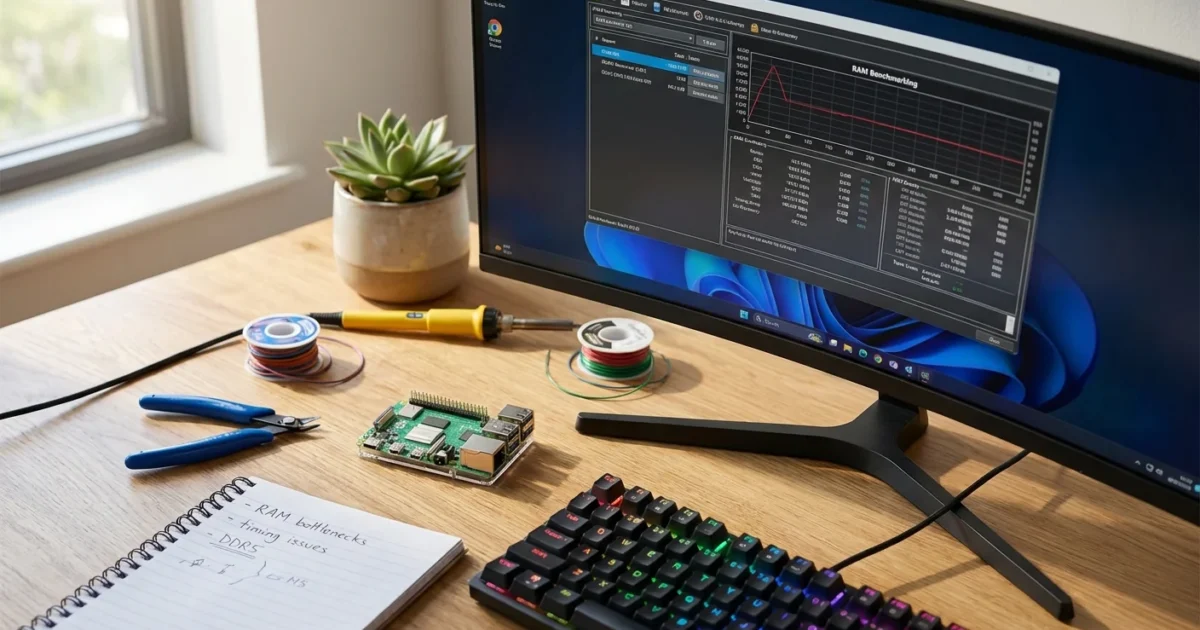
RAM prices just jumped into crisis territory, and Washington is not ready. In the last few weeks, common 32 GB DDR5 kits that sat near 100 to 150 dollars are now listing at 239 dollars or more. The spike is not a blip. It is the front edge of a long squeeze that will run through the 2026 elections and beyond, reshaping budgets, tech plans, and the policy fights that come with them.
Breaking: RAM becomes a strategic choke point
I can confirm that major suppliers have raised contract prices sharply, with some hikes near 60 percent since early fall. Makers are retooling lines toward high value memory for artificial intelligence, like high bandwidth memory and low power DRAM. Consumer DDR4 and DDR5 supply is getting squeezed as a result. This is a structural shift, not a seasonal one.
AI servers are the main driver. Each rack now needs far more memory than a normal server. One leading producer pegs DRAM needs at about eight times the old load. Nvidia’s pivot toward LPDDR in AI systems is multiplying the pressure. When the biggest buyer changes the recipe, the whole kitchen follows.
Micron is winding down its Crucial consumer brand to focus on enterprise and AI. Even hobby gear is adjusting. Raspberry Pi just rolled out a 1 GB Pi 5 to hit a price point that avoids the worst of the surge. The signal is clear. Memory has moved from commodity to bottleneck.
Analysts tell me the shortage and high prices could last at least through the fourth quarter of 2027. If that timeline holds, the politics of RAM will become part of the 2026 midterms and the 2028 presidential cycle.
Policy stakes and industry moves
This crunch lands in the shadow of the CHIPS and Science Act. Much of that effort targeted logic and advanced packaging. Memory got less attention. Now memory is the choke point that could slow AI adoption, cloud growth, and digital services that touch every voter.
Here is the near term policy menu that is already on the table. First, use federal procurement to smooth demand. Agencies can pace large memory buys to avoid bidding wars. Second, add targeted incentives for DRAM and HBM capacity, not just logic fabs. Third, speed permits for plant expansions, paired with firm labor and environmental standards. Fourth, consider a small business credit for essential IT upgrades, since RAM is now the big ticket line item.
Expect scrutiny on pricing too. The Federal Trade Commission and state attorneys general will watch for collusion and price gouging. The memory sector has a history that invites hard questions when prices jump. Oversight does not fix supply, but it can keep the market honest.
Partisan angles and the election map
Democrats will point to industrial policy as the answer. They will push to extend CHIPS style tools to memory, to build more of it here, and to defend worker pay as fabs expand. They will also lean on price gouging investigations, and on Buy American rules for federal IT buys.
Republicans will argue for faster permits, less red tape, and a bigger role for private capital. Many in the party resist broad subsidies. Some will tie high memory prices to broader inflation, and blame the White House for slow action and mixed signals on trade.
This fight runs through swing states with chip footprints. Arizona hosts leading fabs. Ohio and New York have big projects in flight. The party that convinces voters it can make AI affordable, and keep costs down for small firms and schools, will claim the edge.
What it means for schools, voters, and small firms
For school districts and libraries, a summer lab refresh just got far more expensive. Counties face the same squeeze for servers that run public records, elections software, and 911 systems. Delaying upgrades saves cash now, but it raises security and reliability risks in 2026.
Small businesses will feel this in every quote. A basic workstation with 64 GB of RAM can cost hundreds more than last spring. Nonprofits and local newsrooms face the same wall. This is a kitchen table issue with a technical name. People will notice when their dollar buys half the memory it used to.
How to buy smart in a tight market
- If you must upgrade, buy what you need now, not the dream build.
- Favor prebuilt systems. OEMs often get better contract pricing.
- Stretch older gear. Add a smaller RAM kit instead of a full replacement.
- Consider DDR4 if your platform supports it. End of life channels can be cheaper.
- Avoid the gray market. Fake or tampered modules are spreading.
Time purchases around quarter ends. Some sellers clear inventory, and you can catch brief dips. 💡
:::warning
Watch for scalpers and mislabeled modules. Check return policies, test on arrival, and avoid deals that look too good. ::
:
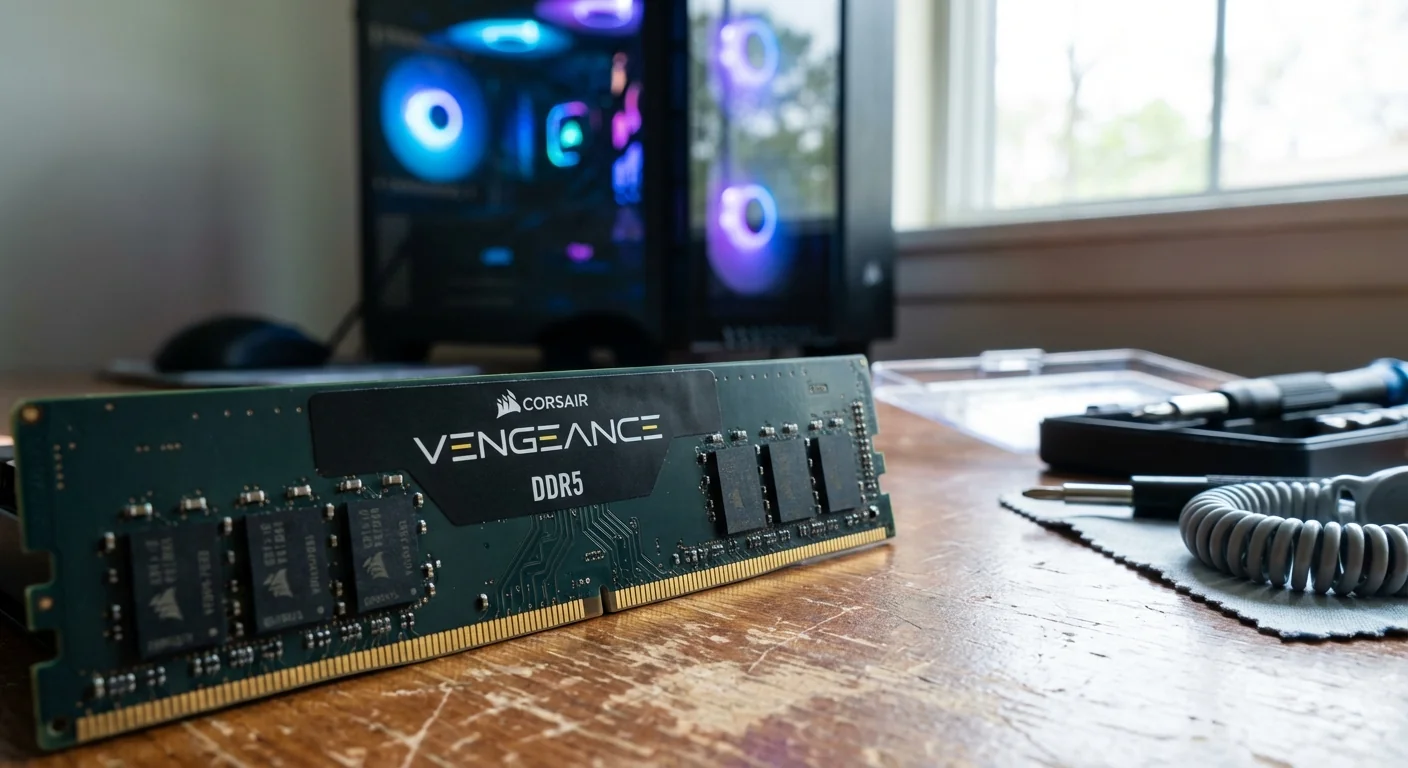
In short, memory is now policy. AI demand turned RAM into a strategic resource, and voters will feel it. The party that treats this like infrastructure, and not a niche tech story, will own the argument.

