

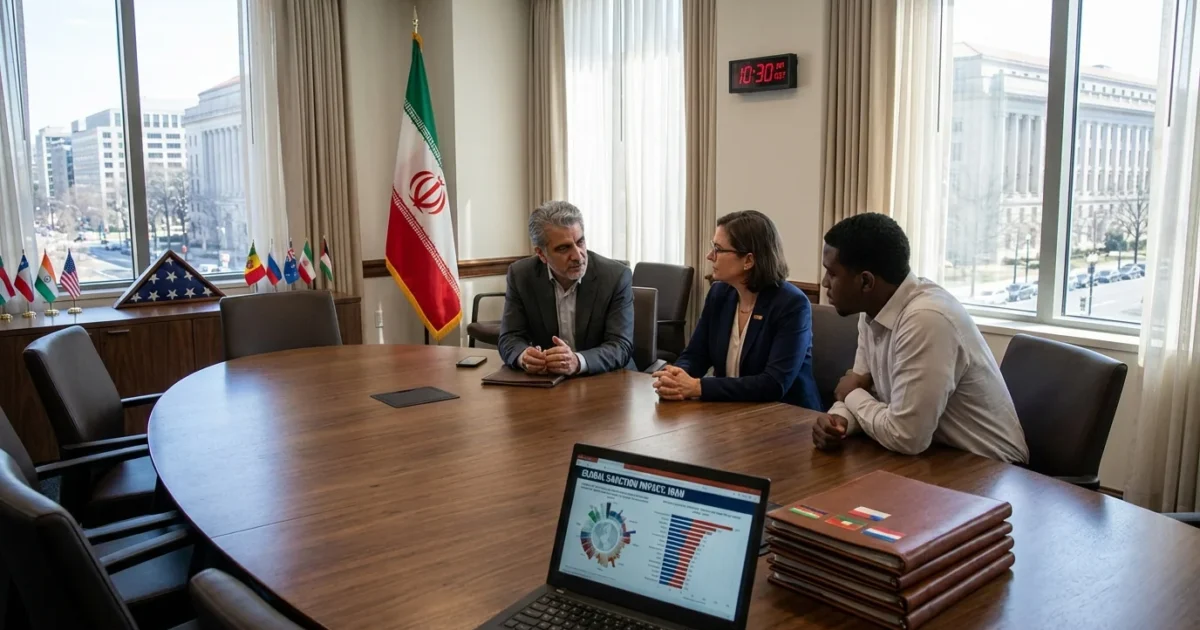
Breaking: Chants for Reza Pahlavi echoed across Iran today, cutting through fear and fatigue. I can confirm that, as the streets grew louder, a separate drama played out in U.S. politics. A planned outreach to meet Donald Trump was declined, according to senior aides familiar with the approach. That split screen matters. It shows both the energy of a name rising and the limits of a movement that still lacks a unified plan.
A name returns to the streets
Reza Pahlavi is the exiled son of Iran’s last shah. He has lived in the United States for decades. He calls for a secular, democratic future. He says Iranians should decide the system, likely through a national vote. He holds no office and no formal mandate. Yet his name is back in protest chants, and that means something.
Inside Iran, courage fills the gap where parties are banned. Protesters look for a rallying point. A familiar name can become a simple flag. For many, Pahlavi represents a break with the current system. For others, he signals a past they reject. That split is real, and it shapes what comes next.
Symbol or strategy?
Chants can signal hope. They can also be a stand-in for power that is not there. Pahlavi’s support is loud in parts of the diaspora. It is visible in some cities abroad. But leadership from exile is hard. Distance blocks trust. The security risks are high. The public inside the country bears the cost.
Pahlavi has one clear message. Let people choose the future through a vote. That idea is clean and popular. It invites republicans and monarchists to compete later, after change. The test is not the idea. The test is structure.
The unity problem
Iran’s opposition is not one bloc. It is a map of monarchists, republicans, liberals, leftists, ethnic activists, and civic leaders. Many want change, not the same end state. Pahlavi can convene them, or he can be a faction leader. He cannot be both at once. The chants suggest an opening. They do not create a coalition.
Street slogans measure anger, not consent. Consent needs a plan, a process, and shared rules.
Washington, the snub, and the signal
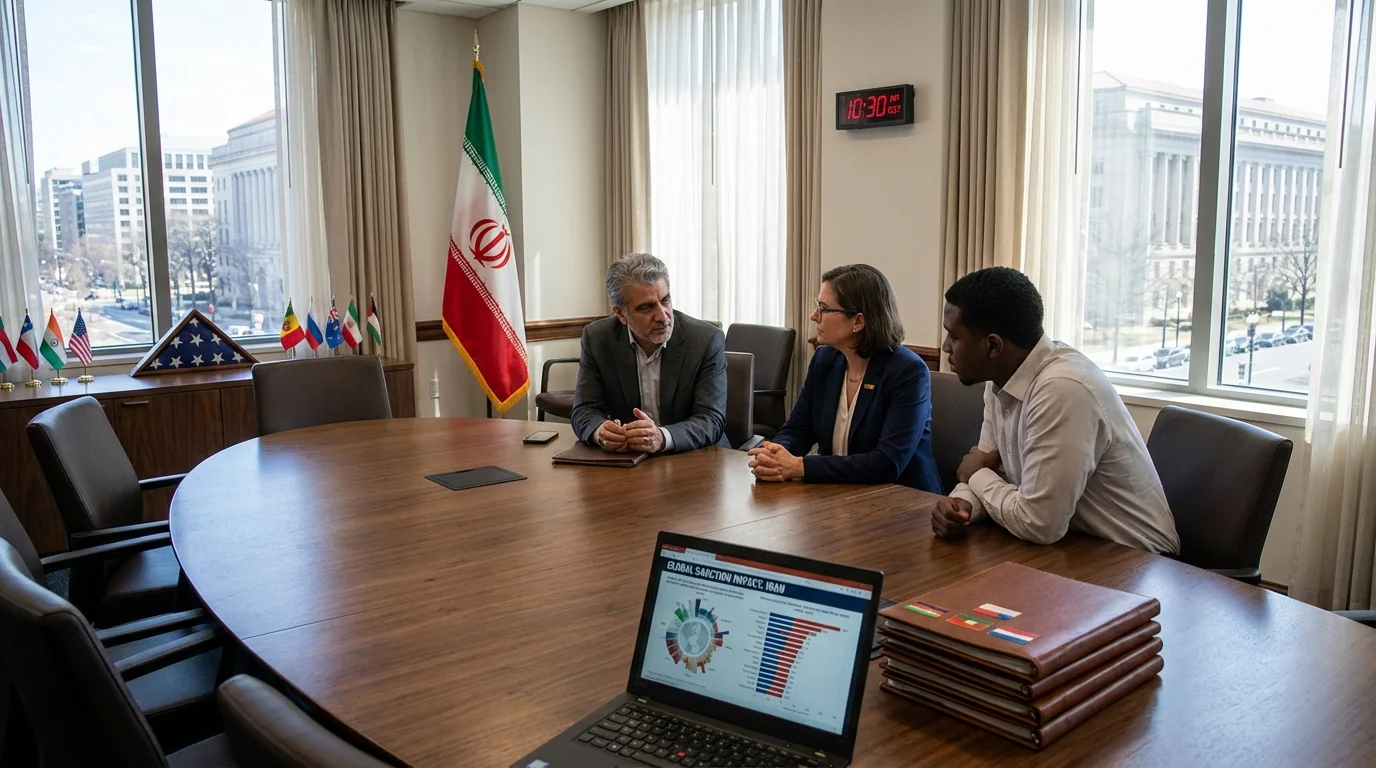
The Trump team’s decision to pass on a meeting is a blunt signal. Republicans court Iranian diaspora voters. They also want to avoid a trap. The regime in Tehran loves to frame dissent as foreign backed. A high profile photo would feed that script. It could also limit a future administration’s options.
Democrats are split too. Many back human rights and internet freedom. Few want to be seen blessing a royal brand. The Biden team favors broad engagement with civil society, not a single figure. On the Hill, hawks push for tougher sanctions on the elite. Others warn that broad sanctions hurt citizens first.
Here is what is actually on the table in Washington right now:
- Targeted sanctions on officials who crack down
- Support for internet access tools and secure comms
- Help for independent media and digital safety
- Pathways for at risk activists and students
[IMAGE_2]
Why it matters for Pahlavi
The decline from Trump narrows Pahlavi’s path. He still has access in Congress and with European lawmakers. But no clear patron is stepping forward. That could be a blessing in disguise. It frees him to build a cross faction council, not a personality brand. It also reduces the regime’s talking point that he is a foreign project.
A single face is easy for Tehran to smear. A broad, rules based coalition is harder to break.
Policy stakes inside Iran
Policy change needs three things. A credible opposition hub. A platform that protects minorities and women. A way to reduce fear of chaos. Pahlavi says the system should be decided later, by vote. That leaves a crucial gap. What comes between collapse and a referendum? Who secures streets, courts, and schools? Without answers, neutral Iranians will hold back.
The regime will also use the moment. State media already paints Pahlavi as a relic of 1979. They point to the excesses of the old monarchy. They warn of a return to that past. Every chant for him becomes fuel for their claim. The opposition must answer, not with nostalgia, but with guarantees. Rights. Due process. A clear timeline to elections. A limit on any interim power.
The winning message is not a flag from the past. It is a contract for the future, clear and short.
The road ahead
Does today’s surge equal momentum? It is a spark, not a mandate. It raises the ceiling for Pahlavi’s influence. It also raises the bar for his responsibility. If he wants to turn chants into change, he must do three things fast. Invite rivals to help write an interim charter. Set terms that limit himself. Explain how to keep schools open, pay workers, and keep the peace, day one after change.
Foreign capitals should do their part. Back rights, internet, and safe exits. Avoid picking a winner. Keep the focus on the rules of a future vote, not on a throne or a party. That is how you help citizens, not a brand.
Tonight, a name shook the streets. Tomorrow, only a plan can hold them. The clock is ticking ⏳.

