

A new fight over U.S. power just broke into the open. Minutes ago, a high profile New York Times opinion column challenged how America handles Venezuela. It argues that if Washington forces change, Washington also owns the results. The timing is no accident. Party leaders are locking in election year stances. The stakes are high at home and abroad.
What changed today
The column lands as both parties sharpen their lines on Venezuela. Republicans close to former President Donald Trump say maximum pressure worked. They want tougher sanctions, more isolation, and a louder push to force new elections in Caracas. Democrats say pressure without a plan only hardens the regime and hurts families. They point to the need for humanitarian channels and real negotiations.
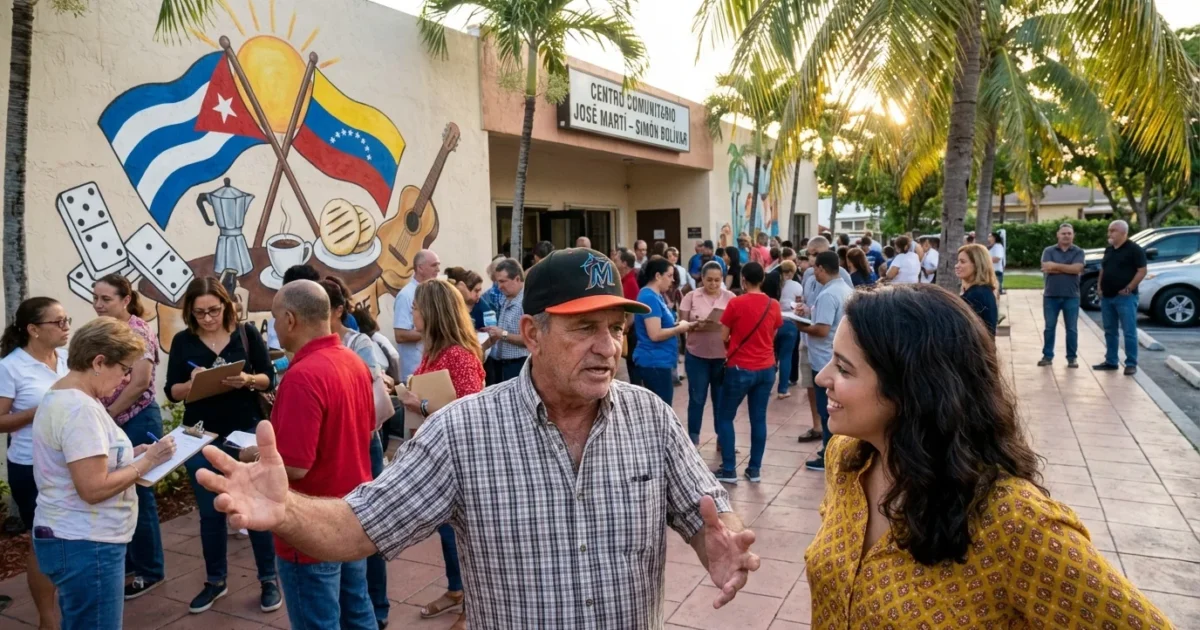
This clash is not abstract. Florida’s politics are in play. Venezuelan and Cuban Americans track every move. Campaigns know it. The White House knows it. So do lawmakers who will face questions at town halls this week.
Opinion vs facts, and why that matters
Let’s separate argument from record. The new piece is an opinion. It is sharp and urgent by design. It presses a fair point about responsibility. But the facts on the ground must guide what comes next.
What is not in dispute:
- Venezuela remains in a deep political and economic crisis. Millions have left the country.
- Nicolás Maduro still holds the levers of power. Courts and security forces back him.
- The United States has moved between heavy sanctions and partial relief tied to talks.
- The opposition is divided, even as many voters still want change.
- Russia, China, and Iran see openings when the United States steps back or acts alone.
Those facts suggest risk on both ends. Too much pressure can crush civilians and fuel migration. Too little pressure can signal that rigged rules will face no cost.
Punish a regime without a safety valve, and you often punish families first. That breeds backlash and opens doors to Moscow and Beijing.
The partisan turn
Trump allies frame Venezuela as proof that force works. They argue that more sanctions, more asset seizures, and more criminal cases will push the regime to crack. They want a fast timeline. They want visible wins. They also want to draw a sharp contrast with President Biden, who has tested sanctions relief to try to leverage talks.
Democrats counter that hardline policies need a realistic endgame. They warn against what some call copycat strongman tactics. Coercion without allies, they say, invites mistakes and weakens U.S. credibility. The White House line today is tight. Pressure must be targeted. Relief must be reversible. Humanitarian lanes must stay open. Congress, meanwhile, is exploring new tools that look tough, but that still allow relief if real steps occur in Caracas.
Migration politics run under all of this. When Venezuelans flee to the U.S. border, voters feel it in real time. Policy choices in Caracas are felt in El Paso and Miami within months.
Lessons Washington keeps relearning
History does not repeat on schedule. But it leaves notes. The record in Latin America offers clear lessons that fit this moment:
- Define the goal. Regime change, free elections, or reforms require different tools.
- Target the guilty. Sanction insiders, not whole populations.
- Act with allies. Go with the region, not around it.
- Build exits. Relief must be tied to clear steps and verified results.

What this means for policy today
A measured path is possible. Start by setting simple, public benchmarks. Release political prisoners. Let banned candidates run. Allow real election monitoring. Tie each benchmark to a specific sanction, a license, or a form of aid. Make relief reversible if the regime cheats. Put humanitarian channels beyond politics. Protect food, medicine, and power grid support from broad sanctions. Work through partners in Brazil, Colombia, and CARICOM. Bring the European Union into enforcement, audits, and monitoring. Keep an eye on Russia and China, but resist dramatic moves that turn a regional standoff into a global test.
Clear goals, regional backing, and reversible steps create leverage without losing control. Write the ladder, then climb it one rung at a time.
This approach does not satisfy purists. It rarely does. But it aligns power with purpose. It reduces harm to families. It limits the space for foreign spoilers. Most of all, it gives voters in both countries a line of sight to lawful change.
The civic impact
Americans deserve straight talk before ballots are cast. If the United States seeks to shape events in Venezuela, there must be a plan for the morning after. Who runs the election? How is aid delivered? What happens if the regime backtracks? These are not talking points. They are the questions that decide whether policy builds trust or burns it.
Today’s column forces that debate into the light. It challenges leaders to own the tools they prefer, and the outcomes that follow. That is healthy. Venezuela’s future is not a soundbite. It is a test of whether the United States can use pressure with care, and power with patience. The next moves will tell.

