

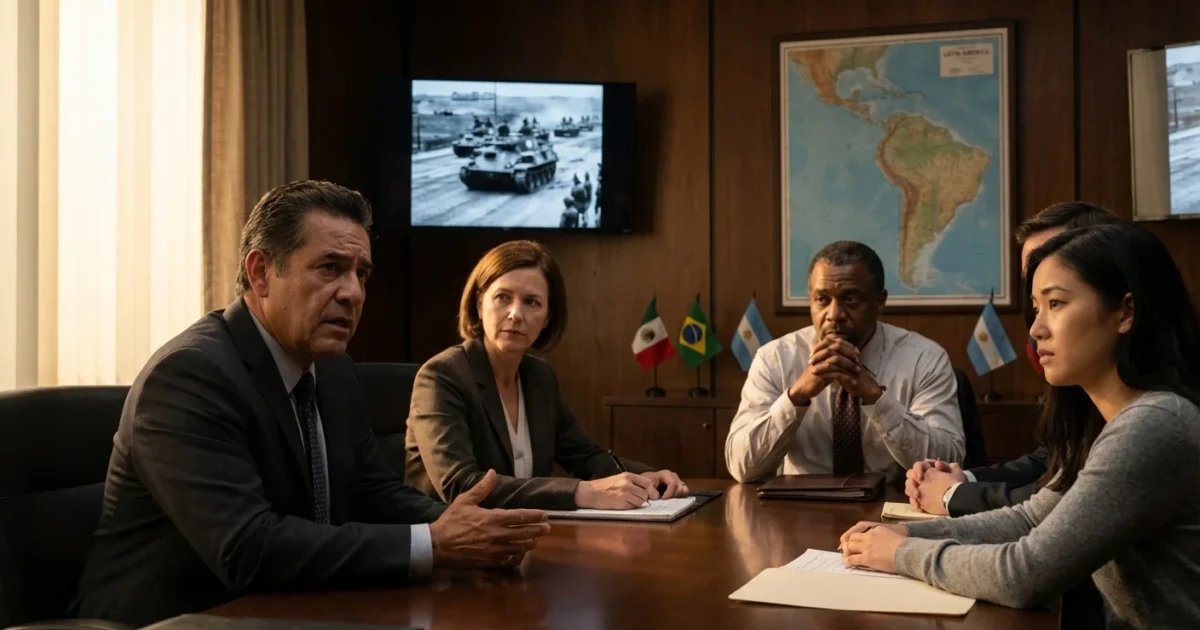
The Monroe Doctrine is back in American politics tonight. As U.S. missiles strike targets inside Venezuela, Washington is reviving a 19th century idea. The message sounds blunt. Outsiders, keep out of the Americas. The reality is not so simple. This fight will shape policy, elections, and daily life across the hemisphere.
A doctrine reborn in the Venezuela fight
Senior officials are now using Monroe Doctrine language in briefings. They say outside powers must stop backing Caracas. They hint at broader action if those powers do not step back. The aim is to project control. The risk is that it locks the United States into a wider test with no clear end.
Donald Trump welcomed the strikes and compared the moment to the Panama invasion in 1989. That line is already dividing Washington. Hawks say strength deters rivals. Critics say it invites another long conflict. Latin American allies are also watching. Many remember past U.S. interventions. They will not cheer an old script that ignored their voice.
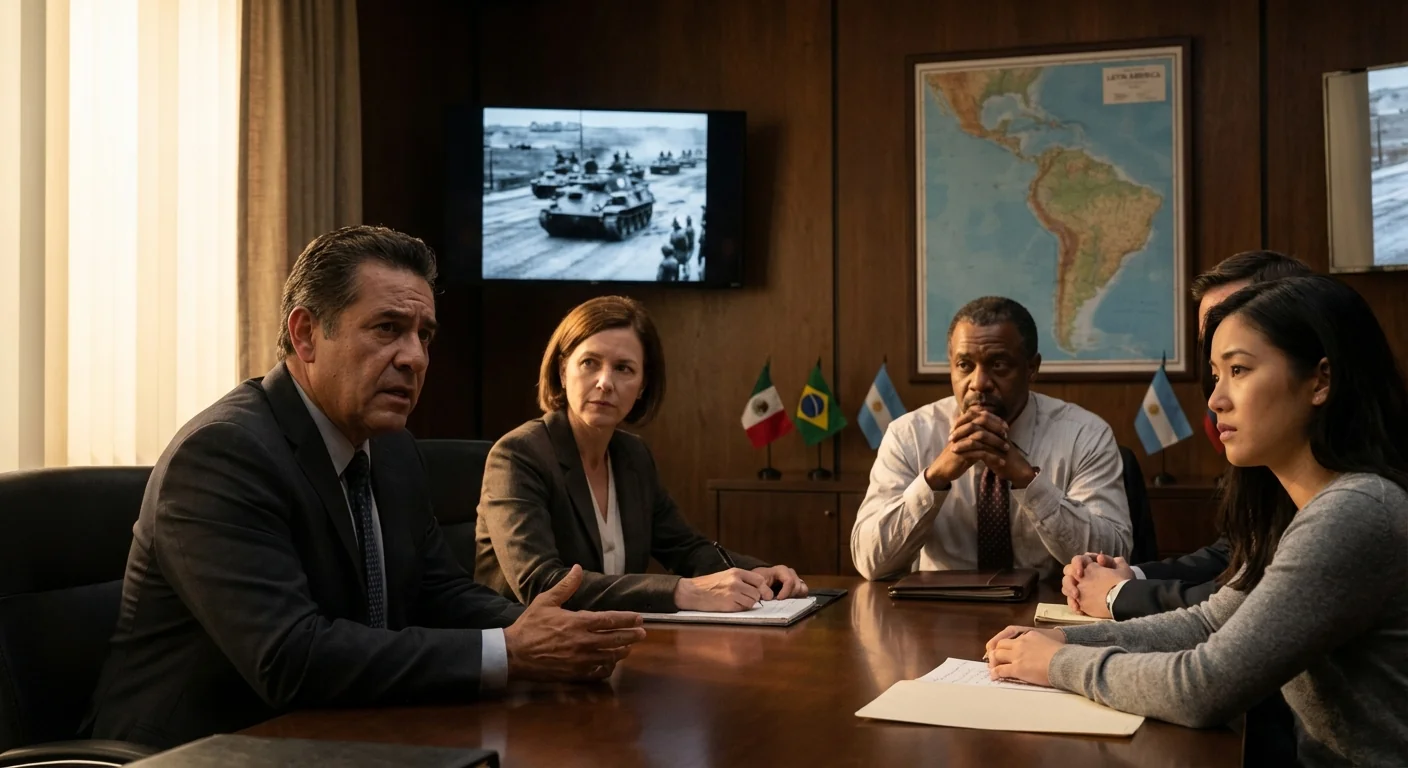
What the Monroe Doctrine said, and what it became
Here is the core. In 1823, President James Monroe warned Europe to stop new colonization in the Americas. It was a shield, not a sword. It was not a blank check for U.S. interventions. Over time, that changed. In 1904, Theodore Roosevelt claimed a right to step in when countries were deemed unstable or in default. That add on turned a warning into a police power.
The 20th century carried that logic forward. It surfaced in Cuba, the Dominican Republic, Panama, Grenada, and Nicaragua. Across the region, it bred distrust that still lingers. U.S. leaders have swung back and forth. In 2013, a secretary of state said the era was over. In 2018, a national security adviser said it was alive and well. That tug of war is now back at full force.
The Monroe Doctrine was a unilateral policy statement. It is not a law, and it does not override treaties or the U.N. Charter.
Policy stakes today, legality, limits, and leverage
The legal ground matters. The U.N. Charter bars force except in self defense or with Security Council approval. The Monroe Doctrine does not create a legal right to strike. If the United States leans on it, partners may balk. Russia and China will push back. So will many in Latin America who want regional solutions, not great power rules.
There is also a hard lesson. Using old doctrine language can blur mission goals. Is the objective to stop foreign arms, to force talks, or to topple a regime. Vague aims invite mission creep. Clear, limited objectives can rally allies and avoid a spiral.
Key questions to watch now:
- What is the legal basis for any new strikes
- What goals can be met without large troop deployments
- How will the United States protect civilians and regional trade
- What off ramps exist if talks open

Leaders who wave the Monroe Doctrine risk blowback across the Americas. That includes sanctions fatigue, street protests, and fewer regional votes at the U.N.
Partisan angles and the electoral calculus
Republicans see an opening. The tough talk tests Democrats on security and resolve. References to Panama signal clear lines and quick outcomes. But Venezuela is not Panama. It is larger, more urban, and deeply connected to outside powers. A simple invasion analogy sets up false promises and bigger costs.
Democrats are split between restraint and pressure. Many want a coalition with Latin American partners. They insist on a vote in Congress under the War Powers Act. They also want humanitarian channels to stay open. That means limits on broad sanctions that crush families while missing the regime. The party’s left wing will push harder for talks. Centrists will seek targeted pressure with regional buy in.
Latino voters are not a monolith here. Exile communities may back stronger steps. Younger voters and recent migrants often want diplomacy first. In key states, the balance of these views could decide close races.
What it means for citizens and the region
This debate is not abstract. Sanctions and strikes can hit food prices, oil flows, and migration. Refugees will move when fear rises. Border and city budgets will feel it. In Latin America, democrats and dictators will both cite Washington to serve their story. The doctrine language becomes a tool for both sides.
Citizens should demand clarity now. Ask leaders to set limits, name the legal basis, and define success. If the goal is to force talks, say so. If it is to block foreign arms, show the evidence. If it is regime change, explain the plan for the day after.
Call your member of Congress. Ask three things. What is the mission, what is the law behind it, and what are the guardrails.
The bottom line
Reviving the Monroe Doctrine makes for a sharp sound bite. It does not solve the Venezuela crisis. It confuses what the doctrine meant with how it was used. It narrows choices when we need more. Smart policy will blend law, leverage, and Latin American partnership. That is how you avoid old mistakes, and build a real path to stability.

