

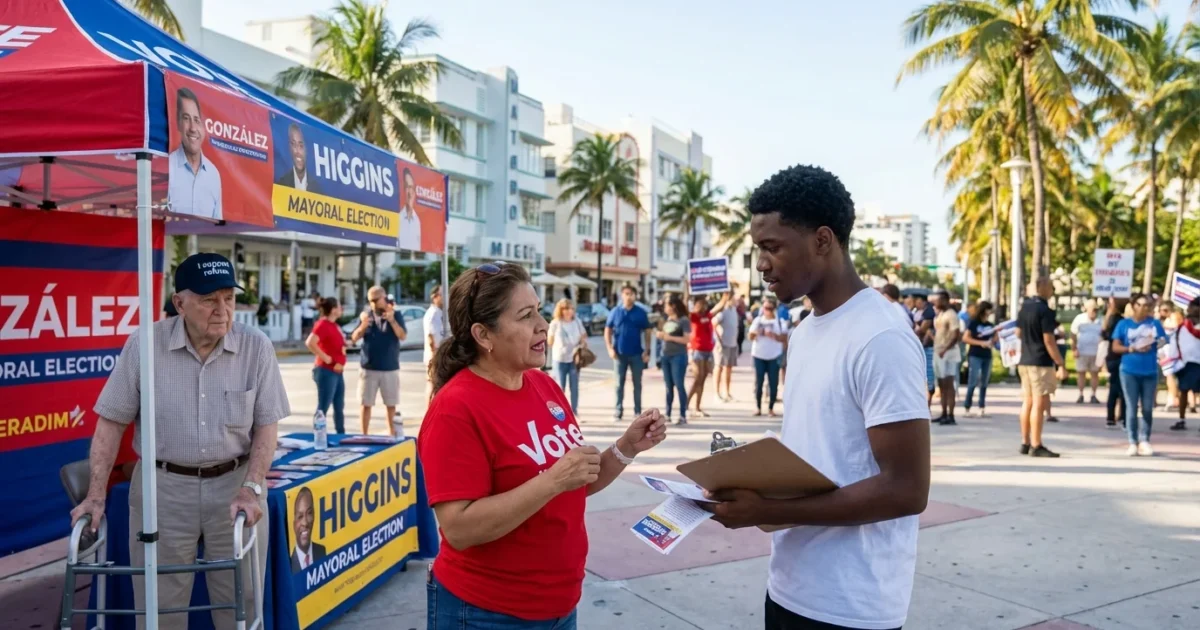
Miami’s next mayor will be decided by a razor‑thin runoff, and the count is rolling into today. Ballots from Tuesday’s vote are still being tallied, and both campaigns are bracing for a photo finish. The stakes are local and national at once. Miami could elect its first Democratic mayor since the 1990s, and its first woman to the job, or it could hand a fresh win to a Trump‑backed Republican in a city that has leaned right in recent cycles.
The stakes in Miami
The runoff between Democrat Eileen Higgins and Republican Emilio González is the climax to a bruising season. Higgins led the first round in November with about 36 percent. González advanced with about 20 percent. Neither crossed a majority, which forced Tuesday’s head‑to‑head.
This race carries more than civic symbolism. If Higgins wins, Miami would break a long Republican hold on City Hall. If González wins, it would reinforce the GOP’s growing strength with Hispanic voters in the region, especially Cuban Americans who have leaned Republican for years. That is why this local contest looks bigger than one city. It is a preview of the messages each party plans to use in 2026.
Former President Donald Trump endorsed González and put his brand on the race. National Democrats lined up behind Higgins, who has pitched herself as a City Hall reformer who can tamp down corruption and focus the budget on residents, not donors.
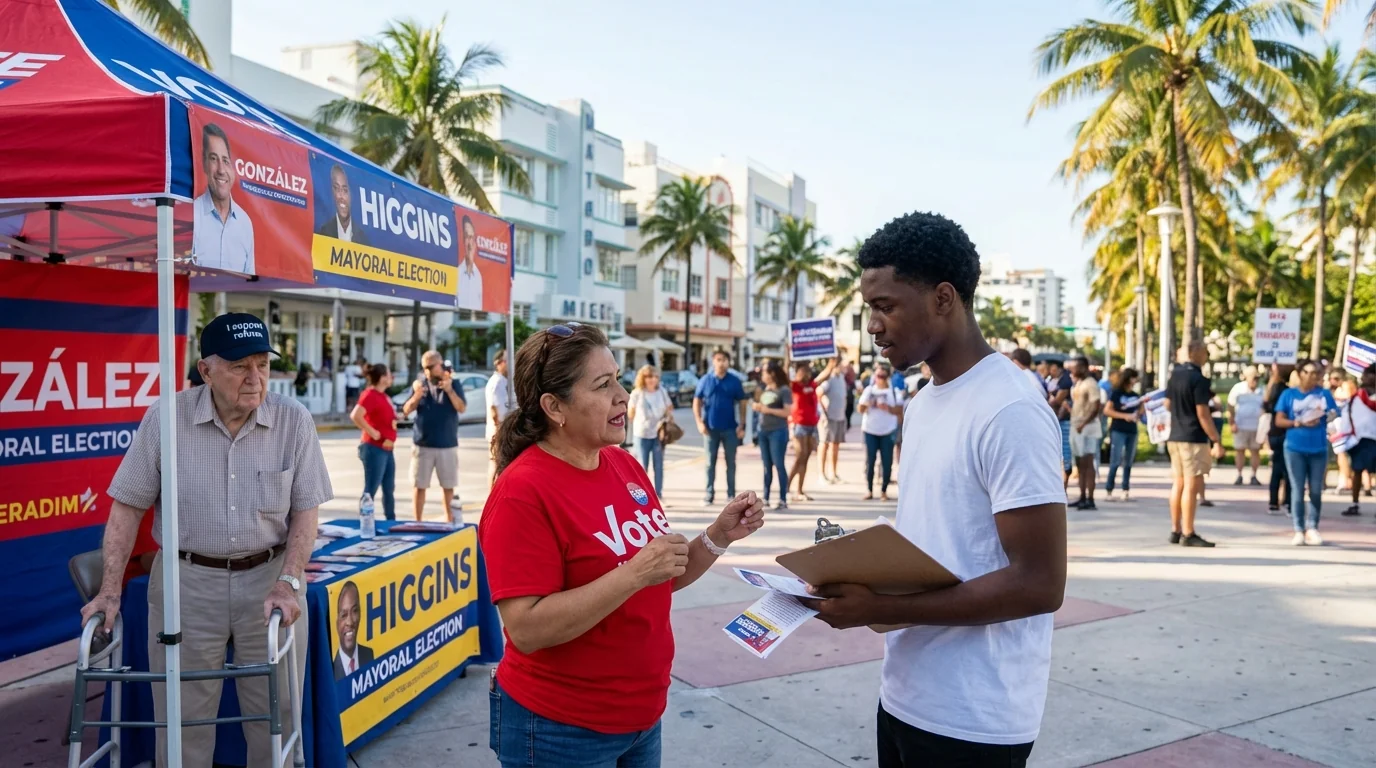
Earlier this year, a narrow City Commission majority tried to push Miami’s elections into 2026. A circuit judge blocked that move and restored the 2025 calendar, which is why voters returned to the polls on Tuesday. That legal fight hardened partisan lines and energized both bases.
A judge restored Miami’s 2025 election schedule after commissioners voted to delay it, keeping the December runoff on track.
What each candidate promises
Voters faced a clear policy choice. Higgins ran on the cost of living and ethics. She promised an aggressive housing plan, tighter rules on outside money at City Hall, and faster fixes for flooding. González emphasized tax relief, policing, and speed for builders and small businesses. He cast Miami as an engine of growth that needs fewer hurdles and a friendlier climate for investors.
Here is the split in plain terms.
- Housing and rents: Higgins backs zoning reforms and tenant protections. González backs supply growth and private partnerships, with fewer regulations.
- Taxes and budget: Higgins favors rebalancing toward services and resilience. González promises a lower property tax rate and leaner operations.
- Public safety: Higgins supports targeted crime prevention and police accountability. González backs more officers and a crackdown model.
- Climate and flooding: Higgins prioritizes sea wall upgrades and drainage now. González favors phased projects with outside funding.
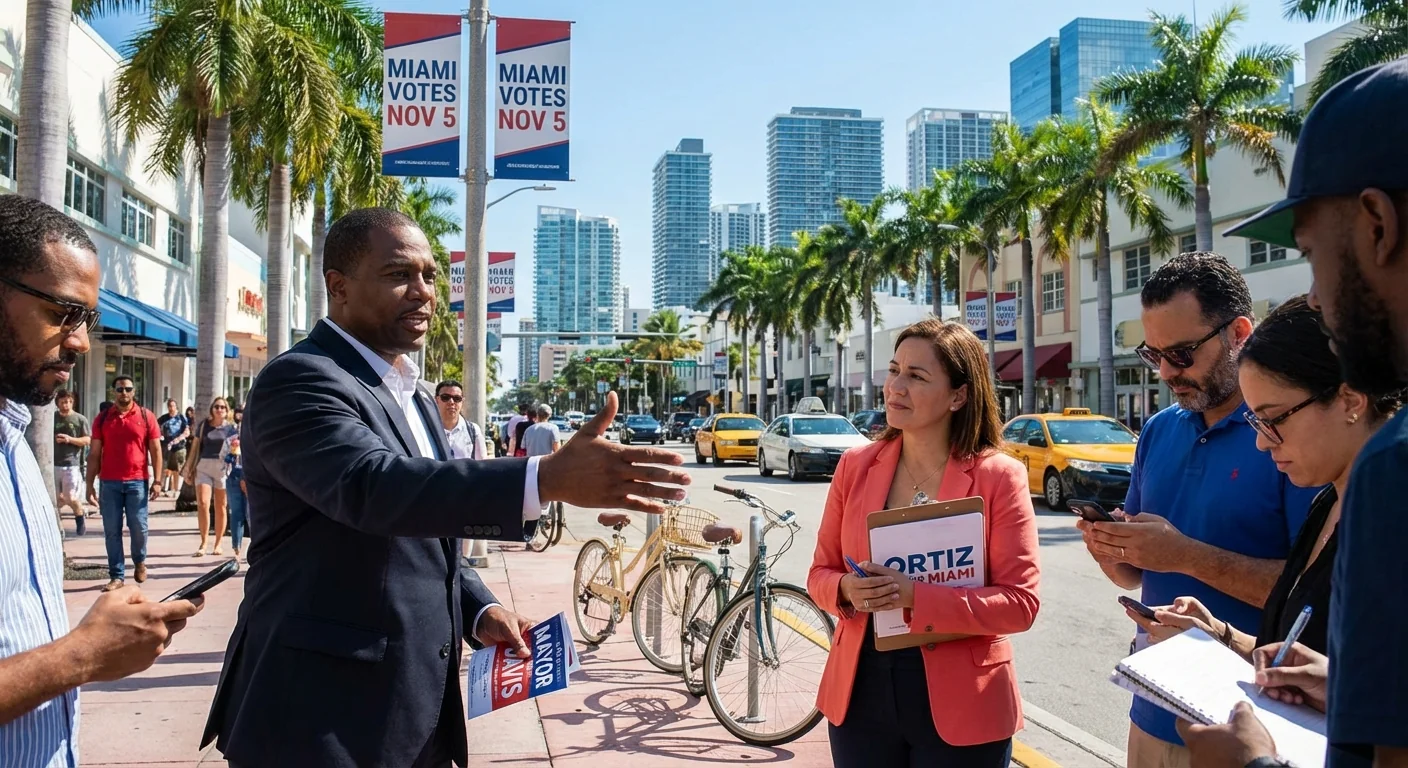
Higgins argues that tax breaks without new housing will not help renters who are being priced out. González says red tape is the real cost driver, and that faster building is the surest path to lower prices. On immigration, González aligns with state policy and promises tighter cooperation. Higgins says the city must focus on safety and services, not culture fights it cannot control.
The partisan angle and the Hispanic vote
Miami races are technically nonpartisan, but party labels are everywhere. Republican messaging centered on taxes, crime, and business efficiency. Democrats pressed housing and water, two issues that touch most voters every day. Spanish language ads flooded the air on both sides, a sign of how central Hispanic voters are to the outcome. Cuban American precincts remain key turf for Republicans. Non‑Cuban Hispanics, Black voters, and younger professionals in Brickell and Edgewater form the core of the Democratic path.
Trump’s endorsement tested how far his pull reaches into city politics. If González wins, Republicans will point to a cohesive Hispanic coalition that can carry the party through 2026. If Higgins wins, Democrats will claim a blueprint to claw back ground in Florida with a focus on affordability and clean government.
Miami’s ballot does not list party, but endorsements, surrogates, and message cues made this a red versus blue contest.
What a win would signal for 2026
City Hall’s direction will change on day one. A Higgins administration would likely push a dense housing agenda, boost resilience spending, and tighten ethics rules that affect contracts and lobbying. A González administration would likely open the throttle for permitting, seek a lower millage rate, and pursue more public‑private deals for big projects.
The outcome will echo beyond the budget ledger. A Democratic win in Miami would challenge the idea that Florida is out of reach for the party. It would also show Democrats a path with Hispanic voters when the message is local, practical, and pocketbook focused. A Republican win would confirm the rightward shift of South Florida, energize GOP donors, and put Democrats on defense heading into the midterm map.
Miami‑Dade officials typically finish counting late ballots within days. Certification follows soon after, unless a recount is triggered.

