

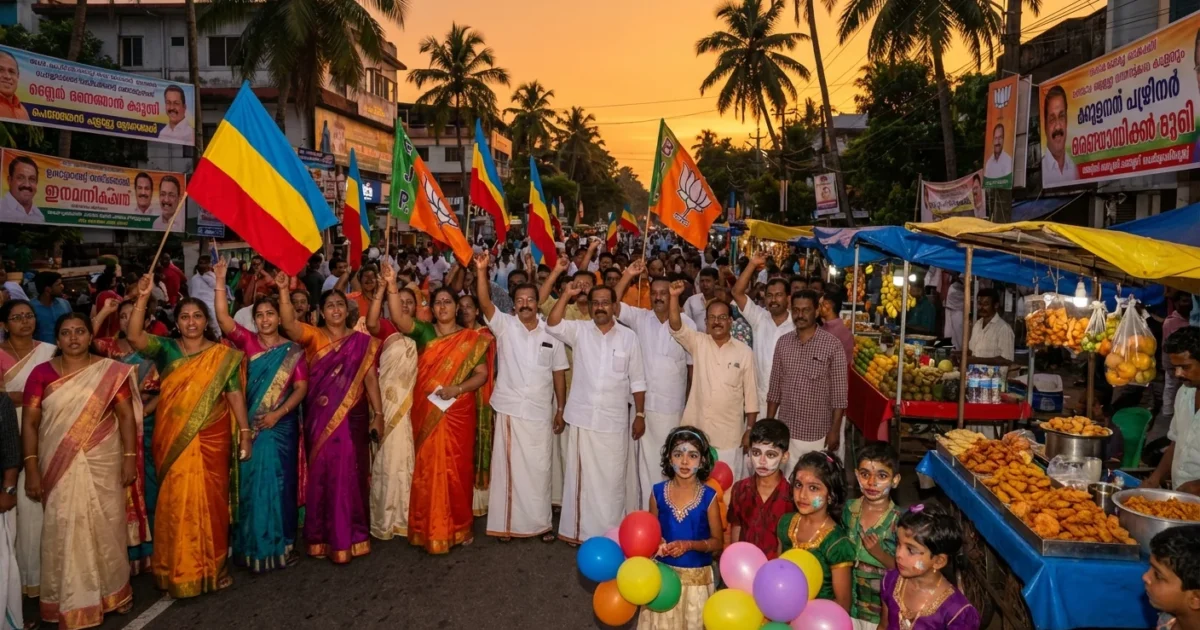
BREAKING: Kerala’s political map tilts as UDF surges, LDF retreats, BJP seizes capital
Kerala’s ground just moved. As counting closed across the state today, I can confirm a sweeping shift in local power. The Congress led UDF is surging across city halls and panchayats. The CPI(M) led LDF is losing ground in its core belts. And the BJP has cracked the fortress of Thiruvananthapuram, taking the capital’s municipal corporation for the first time.
This is more than civic math. It is a message from voters, loud and clear, ahead of the 2026 assembly race.
What the numbers say
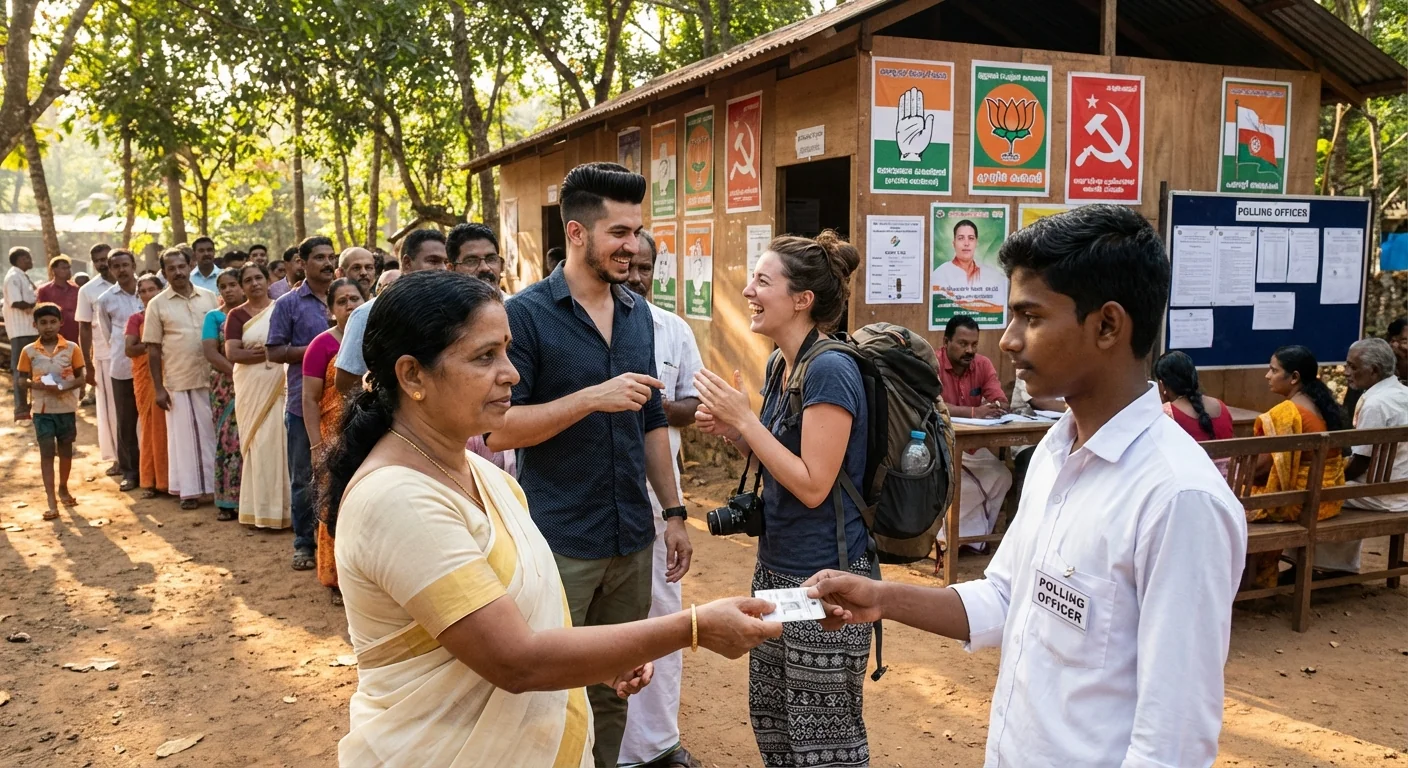
Counting began at 8 AM in 244 centers and 14 district collectorates. By evening, results had come in for 1,199 of 1,200 local bodies. Turnout was high, at 73.69 percent. About 2.10 crore people voted from a roll of 2.86 crore.
Here is the new balance of control, based on the tallies I reviewed at the counting centers.
- UDF leads 4 of 6 municipal corporations
- LDF leads 1 of 6 corporations
- BJP wins the Thiruvananthapuram Municipal Corporation
- UDF leads 55 of 87 municipalities
- UDF leads 8 of 14 district panchayats
The LDF’s slide is visible in both towns and villages. The UDF is rebuilding in places it lost in 2020. The BJP’s entry into the capital’s civic helm is historic, and it matters far beyond city wards.
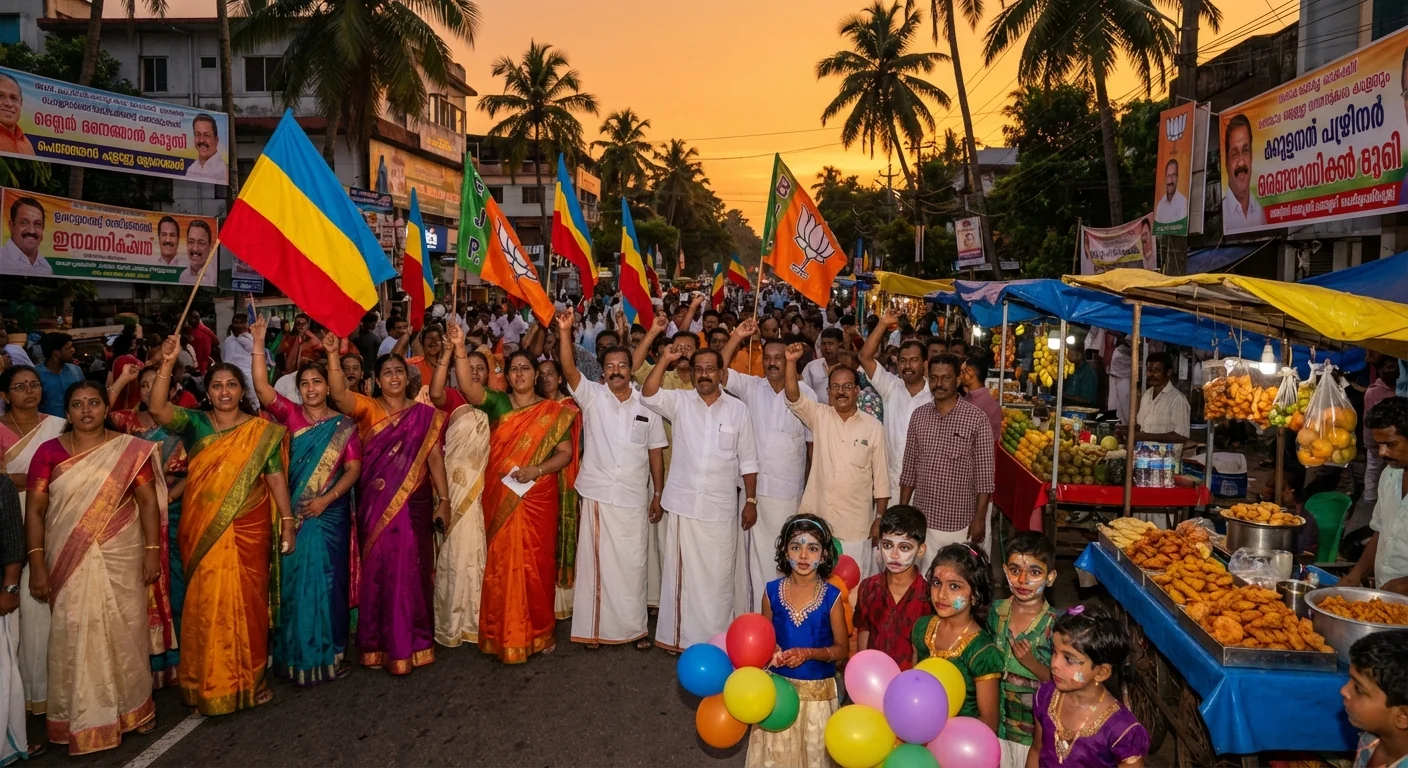
Voter participation crossed 73 percent, a powerful mandate that strengthens the legitimacy of this shift.
Why voters moved, and what policies will shift
This vote was about services and trust. Waste management, water supply, local roads, and welfare delivery were on every doorstep. In many councils, voters punished delays, rising costs, and uneven follow through. The LDF’s state welfare shield still holds value, but local frustration broke through.
The UDF’s pitch was simple. Fix the basics. Audit spending. Ease property tax pain. Keep welfare steady, but clean up delivery. Voters responded in both coastal wards and hill panchayats. Expect early audits of civic contracts, especially in sanitation and road works. Expect tighter scrutiny of cooperative banks and local schemes. The UDF will try to pair quick fixes with visible procurement transparency.
The BJP’s win in Thiruvananthapuram rides on middle class concerns. Traffic, drainage, solid waste, and business permits drove turnout in key divisions. The slate included high visibility faces, including former officials such as R. Sreelekha, who won in Sasthamangalam. The party now has a test case. If it cuts queues at the corporation office, streamlines approvals, and keeps streets cleaner, it will claim a governance model for 2026.
For the LDF, this is a policy warning. Big ticket projects and state level welfare do not cover lapses in ward level delivery. The front will need to reset on waste, water, and accountability. It also faces pressure to refresh leadership in districts where its network thinned.
Watch contract reviews and property tax revisions in early council meetings. These moves will set the policy tone for 2026.
Partisan angles and coalition math
In corporations and municipalities without outright majorities, all fronts are testing floor strategies. The UDF has first mover advantage in four corporations and most municipalities, which helps it anchor alliances with independents. The BJP, fresh off the capital win, will seek issue based support in select councils. The LDF will fight to protect block and gram panchayat clusters where it still holds depth.
Two forces will shape the next months. One, anti incumbency against local chairs who underperformed. Two, urban swing voters who now see credible three cornered races. The BJP’s capital breakthrough gives it candidate gravity in Kochi, Kozhikode, and Thrissur. The UDF’s reach across panchayats lifts its assembly base. The LDF must halt attrition among youth and women voters who moved on service delivery.
What this means for 2026
Kerala’s assembly election just got sharper. The UDF can now campaign on momentum and municipal control. The BJP can point to a working urban model. The LDF must run on course correction, not continuity alone.
Three policy arcs will define the run up.
- Civic services, waste, water, and roads, judged ward by ward.
- Cost of living relief, especially fuel, food, and local taxes.
- Jobs and small business ease, permits, and digital services.
If the UDF delivers early wins, it can lock in swing blocks. If the BJP makes the capital function better, it will grow beyond symbolism. If the LDF repairs trust at the ward level, it can arrest the slide.
The bottom line
Kerala voters handed out a clear lesson. Fix the basics, or lose the mandate. The UDF has the wind today. The BJP holds a prized city. The LDF must rebuild from the ward up. What these councils do in the next 100 days will shape the 2026 map, one streetlight and one permit at a time.

