

🔴 BREAKING: Israel recognizes Somaliland, shaking the Horn of Africa political map
Israel has formally recognized Somaliland as an independent state. This is the first time any country has done so since Somaliland declared itself independent in 1991. The move turns a long running regional debate into a live diplomatic fight. It also opens new lanes for security and trade in the Red Sea corridor.
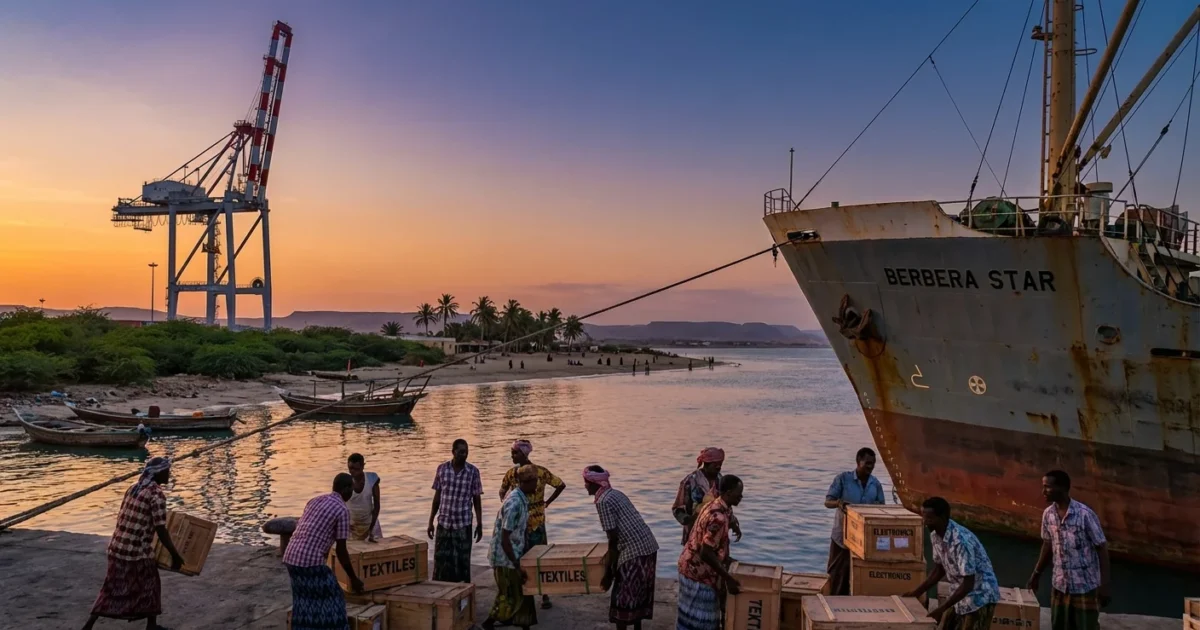
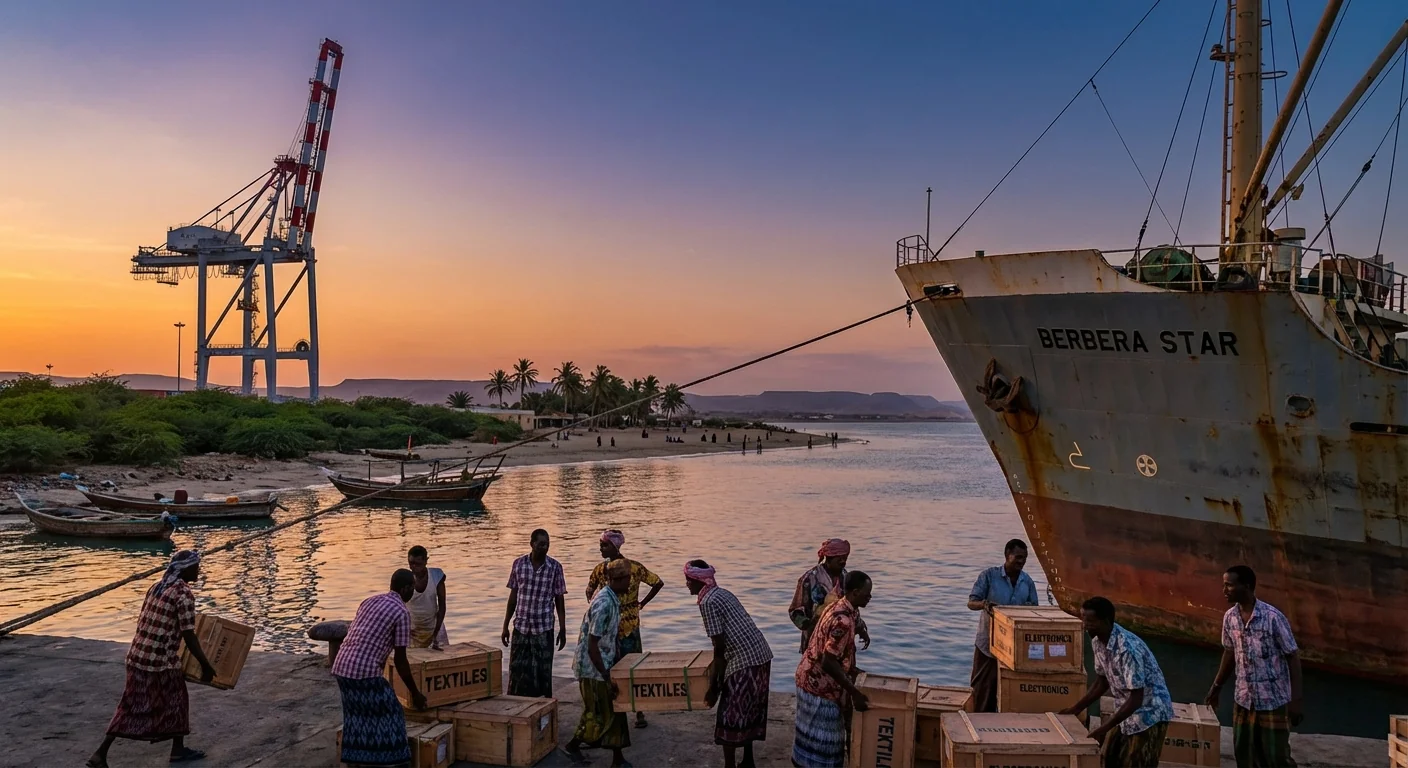
Somaliland has run its own elections, currency, and security for decades. It sits on the Gulf of Aden and holds the port of Berbera, a key link for shipping and energy. Now it has a sovereign recognition. That matters in real ways, from visas to embassies to maritime cooperation. It also puts pressure on neighbors to pick a side.
What this means for Somaliland’s statehood
Recognition gives Somaliland a legal door. It can sign treaties, exchange ambassadors, and seek bilateral aid. Banks and donors can engage with less risk. Foreign companies can sign contracts that courts will respect. Israel’s step will not unlock everything at once. It does start a path that has been closed for 33 years.
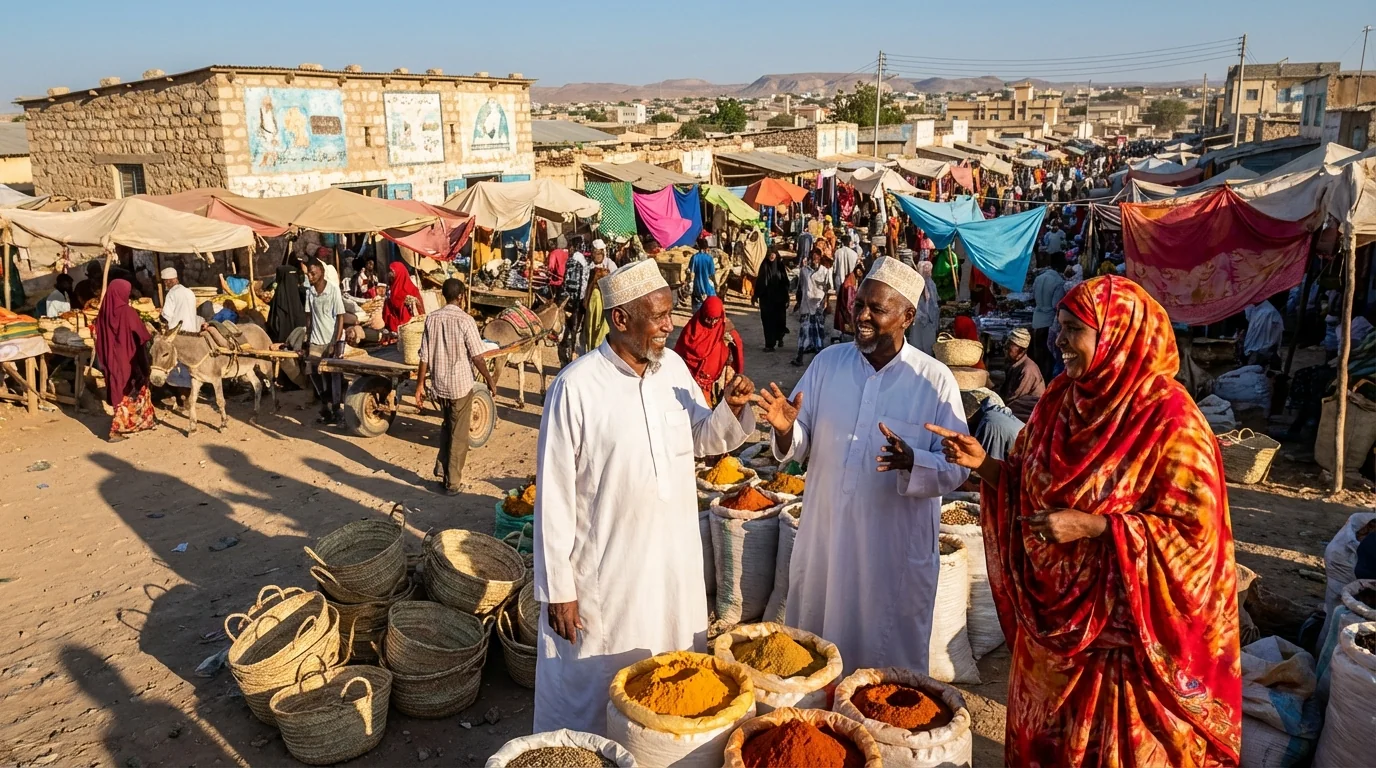
Somaliland leaders will claim a major win. The public will feel pride and relief. But expectations will run high. People will ask for travel documents that work, jobs at the port, and new investment. Those gains take time, laws, and trust.
Recognition creates formal ties. It is not automatic UN membership. That still needs a Security Council vote and wider support.
Fallout with Somalia and the region
Somalia’s federal government rejects any breakaway claim. It views Somaliland as part of its territory. Israel’s move will be seen as a direct challenge to Somalia’s sovereignty. Expect sharp protests, and calls for allies to condemn the step. Addis Ababa, Djibouti, and Nairobi will move carefully. They depend on Somali cooperation on security and migration.
Regional bodies, the African Union and IGAD, prefer borders to stay as they are. They have long urged talks between Hargeisa and Mogadishu. Those talks just got harder. Airspace control, customs, and security coordination could suffer. Missteps could spark clashes along a sensitive frontier.
- Watch for immediate moves: ambassadors recalled, air routes reviewed, and port access rules tightened.
- Security risks include militia posturing, arrest of officials, or trade blockades.
- Aid pipelines may face new rules in both Somaliland and Somalia.
The biggest risk is miscalculation on the ground. One arrest or stray shot at a checkpoint could snowball.
Why Israel moved now
Israel wants reliable partners along the Red Sea and Gulf of Aden. Shipping routes there are vital to energy and trade. Threats in nearby waters have grown. A friendly government in Berbera offers access, intelligence sharing, and port calls. It also signals that Israel is expanding ties in Africa, even in contested spaces.
There is a domestic angle too. This recognition shows decisive foreign policy at a time when Israel faces regional pressure. It creates a new talking point at home. In security terms, Israel gains a legal basis for maritime cooperation, training, and technology transfers. Somaliland gains a powerful backer who can open doors with others.
Who follows, who balks
Other countries will now run hard calculations. Some will see opportunity. Others will see only risk. Ethiopia has economic interests in Berbera and seeks sea access. The United Arab Emirates has stakes in port development. Turkey, Egypt, and Gulf partners weigh rivalry and trade. Western partners value Somalia’s unity policy, but also want stability on the sea lanes.
Two paths are possible. A slow, quiet trickle of recognitions that focuses on practical ties. Or a freeze, where capitals wait and watch Somalia’s response.
- If a second country recognizes soon, momentum could build.
- If Somalia rallies strong pushback, many will hold back.
Civic impact on both sides of the border
In Somaliland, this is an emotional milestone. People will expect better services, cleaner politics, and faster growth. Leaders will claim a mandate to lock in new deals. The opposition will demand transparency. Elections and party competition will carry higher stakes. Citizens will ask, what changes this month, not next decade.
In Somalia, the government faces a hard test. Nationalist anger will rise. The opposition will press for a firm line, and for proof of international support. The cabinet will need to prevent street unrest, while keeping aid and security cooperation on track. Regional governors will watch for any drift that hurts local budgets or trade.
The policy road ahead
Israel’s decision resets the map. It does not end the dispute. The next few weeks will decide what sticks. Clear steps can reduce the risk.
- Set up direct diplomatic channels to manage airspace and trade.
- Launch a joint hotline to defuse incidents along the frontier.
- Publish clear rules for ships, cargo, and customs in Berbera.
- Invite regional observers to monitor sensitive checkpoints.
- Keep aid to civilians flowing on both sides.
Conclusion
Israel’s recognition of Somaliland is a hinge moment for the Horn of Africa. It rewards long running self rule in Hargeisa, and forces new choices in Mogadishu. It could bring stability to key sea routes, or fuel new friction on land. The stakes are real, from families seeking passports to ships seeking safe harbor. The world will now see who steps forward next, and who steps back.

