

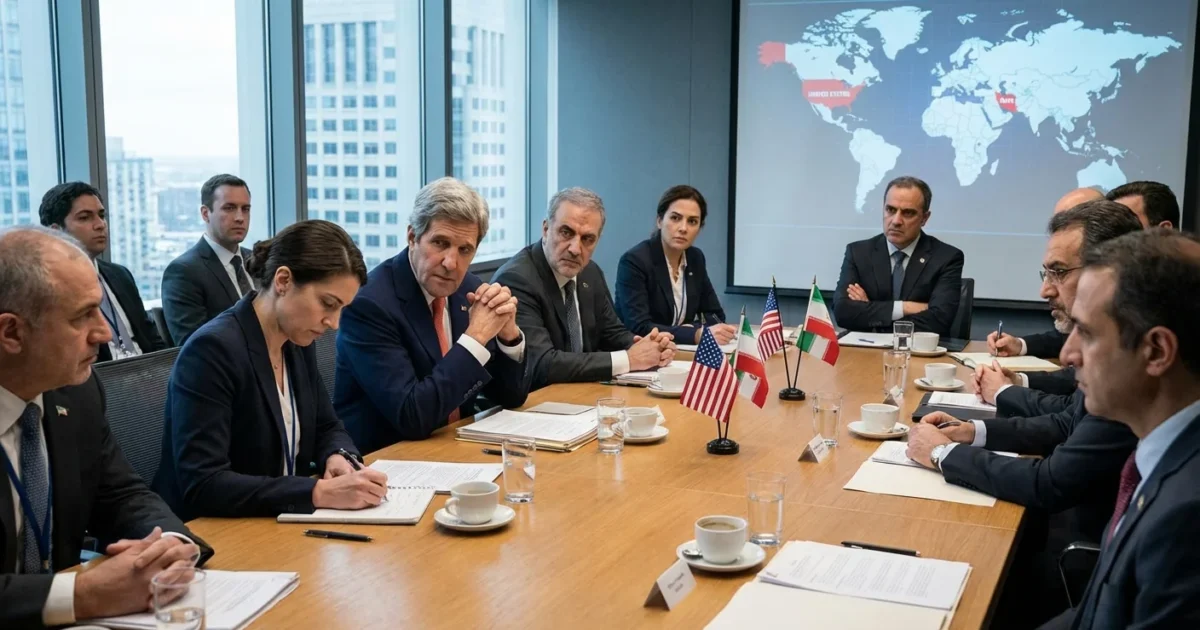
Breaking: Iran’s president just told the world his country is in a full-scale fight with the West, naming the United States, Israel, and Europe. That is a big claim. Here is the key fact. Iran has not formally declared war on the United States.
No formal declaration of war has been issued by Iran against the United States.
What was said, and what it means
In public remarks this week, Iran’s president framed the struggle with Washington and its allies as total. The message was blunt and defiant. The timing was not accidental, coming amid rising clashes across the region and hardening rhetoric on all sides.
But words, even sharp ones, are not the same as legal acts. A declaration of war is a specific step in international law. It is usually made through an official note, a legislative act, or a clear public decree that signals state intent to enter a legal state of war. None of that has happened here. The gap between fiery language and formal war is wide, and it matters.
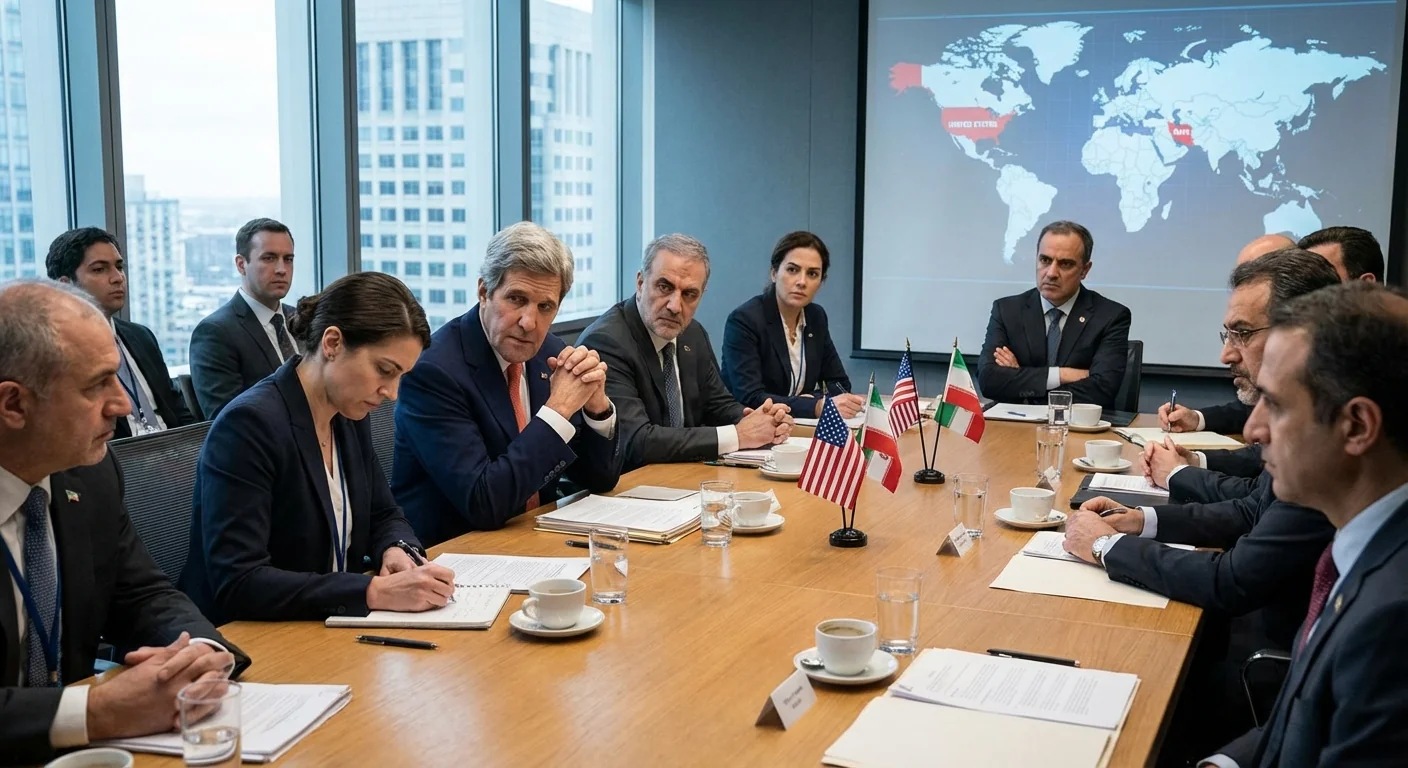
Is this war, legally or practically
Legally, no. The United Nations era made formal declarations rare. States use force without them, and that is already true in the shadow fight between Iran and the West. There are proxy groups, covert moves, cyber tools, and missile defenses in play. The line between war and not war can feel blurry to the public.
Practically, risk rises when leaders choose words like full scale. Those words invite misread signals and fast moves on the ground. Ships change course. Commanders adjust alert levels. Diplomats draft messages for what to do if a spark catches.
A declaration of war is a formal state act. Rhetoric signals intent, but it is not a legal trigger by itself.
The policy stakes in Washington
With no formal declaration, the next moves shift to policy, posture, and deterrence. The White House is weighing three urgent tracks at once. Keep partners aligned, protect U.S. forces and sites, and avoid giving Iran a pretext to escalate. That is a tight rope.
Expect rapid steps that do not cross the war line. Tighter sanctions on military networks. Extra naval presence near key shipping lanes. Cyber defense hardening for energy and ports. More missile defense support for regional partners. Intelligence sharing will surge, often out of sight.
Congress will demand briefings within hours. Members will press for clarity under the War Powers Resolution, which governs U.S. use of force. If U.S. forces face fire, the administration will have to notify Congress quickly. Any extended operation would force a public debate.
Markets and daily life could feel this soon. Oil traders watch the Strait of Hormuz like hawks. A single threat to shipping can push prices. That hits gas stations, trucking, and family budgets. ⛽

Expect near term shifts in energy prices and security posture even without a formal state of war.
The partisan fight, and the 2025 political map
Both parties see risk and opportunity in moments like this. Republicans will argue the administration invited danger by being too soft, and will call for sharper sanctions, tougher maritime rules, and a clear red line for reprisals. Democrats will split between those urging restraint to keep allies on board, and those urging firm deterrence with tight limits.
Here is what I expect to move first on Capitol Hill:
- Emergency briefings and closed door readouts
- A fast tracked sanctions package targeting Iran’s military support networks
- Resolutions backing Israel’s defense and protecting U.S. forces
- Hearings on energy security and gas price relief
The map matters. Military communities in Virginia, North Carolina, Florida, Texas, and California will watch base alerts and deployment orders. Industrial districts tied to energy and shipping will watch insurance rates and port schedules. Voters do not need a formal declaration to feel the shock. They feel it in prices and in calls from loved ones on duty.
What to watch next
Watch actions, not adjectives. Does Iran move to target U.S. forces or assets, directly or through proxies. Do U.S. and partner navies change rules for escorting ships. Do European allies echo Washington’s line or strike a harder tone. Do Gulf states open quiet channels to lower the temperature.
Also watch for signals of restraint. Deconfliction hotlines. Mediator states nudging both sides away from the edge. A recalibration of language by leaders after the first shock has passed. These are the signs that show whether this crisis deepens or cools.
The bottom line
Iran’s president called the struggle with the West total. That is serious. It is not a formal declaration of war on the United States. Washington will answer with deterrence, tighter sanctions, and coalition work, while trying to avoid a wider fight. The politics will be sharp, the markets nervous, and the margin for error thin. Keep your eye on what changes on the ground, because that is where the real story will show itself.

