

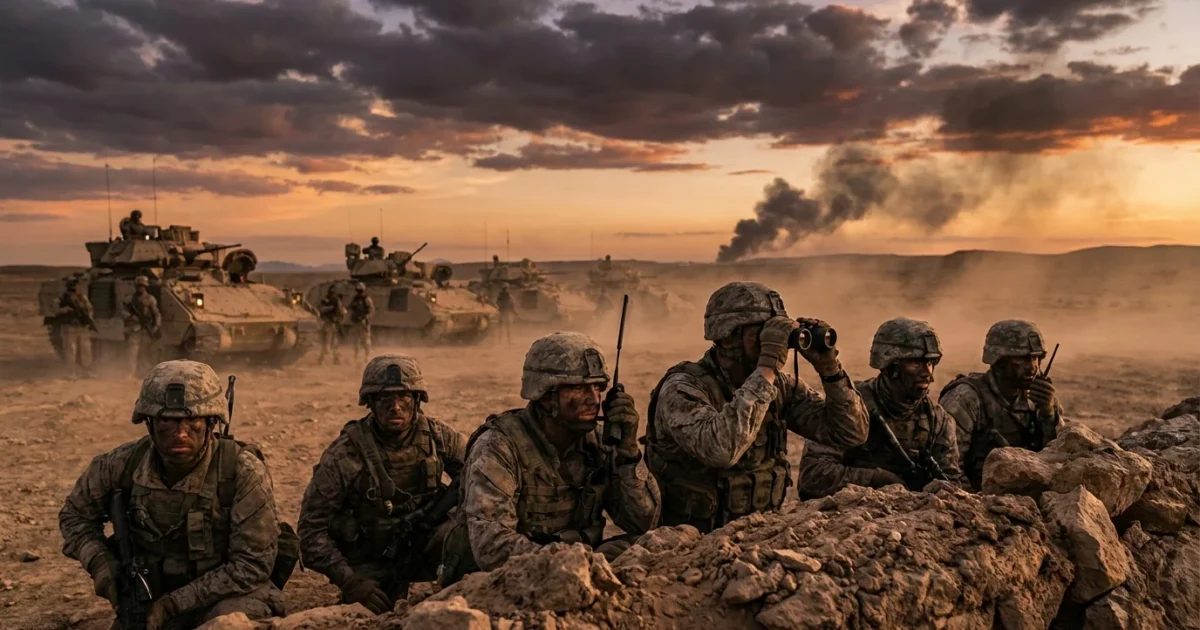
Iran’s president just escalated the stakes. In a public statement, he declared Iran is in full scale war with the West, naming the United States, Israel, and Europe. The words are blunt. They land in a region already on edge. They also open a new political fight at home.
What the declaration actually signals
This is a major rhetorical step. It does not mean Tehran has ordered a coordinated military campaign on all fronts. It does mean Iran is setting a wider frame for conflict that already exists through proxies and pressure. The message is both internal and external. At home, it hardens a narrative of resistance. Abroad, it warns Washington and allies that Iran will treat new strikes or sanctions as part of a single, larger fight.
Expect Tehran to lean on the tools it uses most. That includes cyber operations, deniable attacks at sea, and proxy launches from Lebanon, Iraq, Syria, and Yemen. The goal is to raise the cost to the West without triggering a direct invasion response. That is Iran’s playbook.
There is no formal declaration of war between states. But the risk of rapid miscalculation just went up.
How we got here
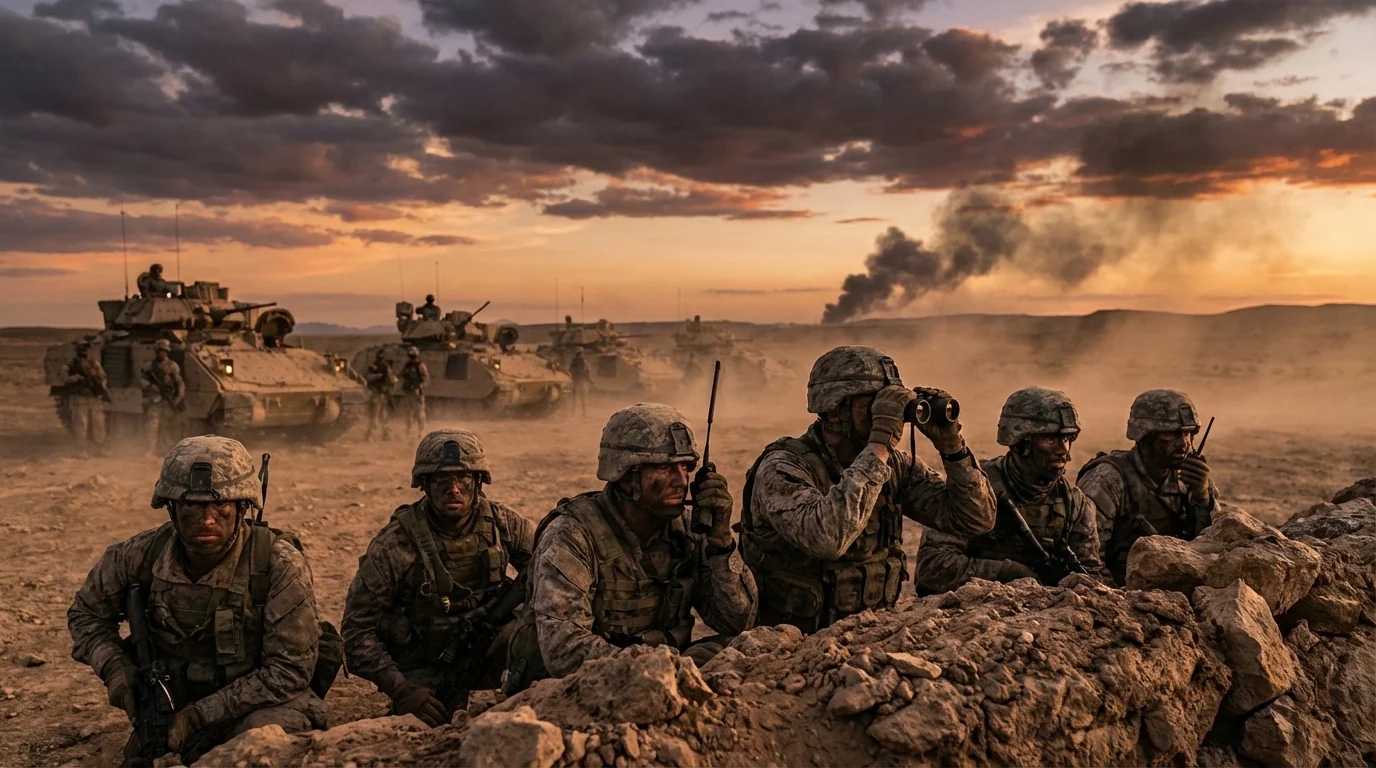
The region has been on a knife’s edge for months. The Israel and Hamas war set the stage. Hezbollah exchanges with Israel never fully cooled. Houthi launches disrupted shipping. Western navies guarded key lanes. Iran faced tighter sanctions and covert hits on assets. Each episode added stress. The president’s words now knit these threads into one banner. Iran is saying, this is one conflict, not many.
That framing matters. It gives Iran cover to answer in one theater for losses in another. It also pressures Western capitals to think in combined terms. A rocket in the north could trigger action against a drone hub in the Gulf. That is how escalation chains start.
Mixed signals kill deterrence. Clear red lines, stated and enforced, are now crucial.
Washington and allied politics turn hot
This statement will hit the center of U.S. politics. The White House must decide how to show strength without feeding a spiral. Republicans will press for maximum pressure, more sanctions, and visible military moves. Democrats will split. Some will back tougher measures tied to diplomacy. Others will warn against open ended commitments.
Congress will seize the agenda fast. Expect hearings on readiness, oil supply, and the War Powers Resolution. Any new regional strike by U.S. forces will face instant oversight demands. Aid to Israel and missile defense for partners will move to the front of the line. Europe will face its own divide, balancing solidarity with fears of energy shocks and migration pressures.
This also touches elections. Voters care about security and prices. Gas, shipping, and troop risk are kitchen table issues. Campaigns will argue over deterrence, restraint, and what it means to put America first.
Markets, shipping, and daily life
Energy and trade are the first practical fronts. The Gulf and the Red Sea link global supply. Insurance costs for ships can jump in hours. Tankers may reroute. That pushes delivery times up. Prices follow.
Iran does not need to close the Strait of Hormuz to move markets. Threats and sporadic strikes can do it. Cyber hits on ports or pipelines can also ripple fast. Western governments will release stockpiles if needed and try to calm traders. Still, higher fuel costs can show up at the pump quickly. That feeds political heat.

What to watch in the next 72 hours
- Changes in naval and air deployments by the U.S. and allies
- Proxy launches from Lebanon, Iraq, Syria, or Yemen
- Insurance rates and rerouting for Red Sea and Gulf shipping
- New sanctions or export controls from Washington and Europe
- Back-channel signals through regional mediators
Check official travel and maritime advisories, not rumors. Energy saving steps at home can soften price shocks.
Short term scenarios
The most likely near path is sharp but bounded friction. Expect proxy fire, cyber probes, and maritime harassment. The U.S. response will target units linked to any attack. Israel will hold its northern posture and may strike precision sites. Europe will tighten sanctions on drones, missiles, and finance. The aim will be to punish, not to widen the map.
A riskier path is a ladder of retaliation. One misread volley, one mass casualty event, and leaders could feel forced to escalate. That could pull the U.S. and Iran into direct exchanges. At sea, that could mean strikes on fast boats or missile batteries. On land, it could mean hits on Iranian assets outside Iran. Everyone wants to avoid that. But intent is not control once rockets fly.
The least likely path right now is formal war between states. Neither side wants the costs. Iran relies on survivable, indirect pressure. The U.S. seeks to contain and deter, not occupy. Yet low probability is not zero.
The policy choice in front of leaders
Here is the core test. Can the West hold firm on deterrence while keeping channels open. Can Iran claim resolve to its base while avoiding a clash it cannot win. That is a narrow lane. It demands steady signals, visible defenses, and readiness to talk when the door cracks open.
Conclusion
Iran’s leader just raised the political ceiling on conflict. That does not make a larger war inevitable. It does make it easier to get there by accident. Policy now must be clear, calm, and coordinated. Politics will roar. Markets will twitch. Citizens will feel the strain in prices and headlines. Watch for discipline in words and in posture. That is where this story goes next.

