

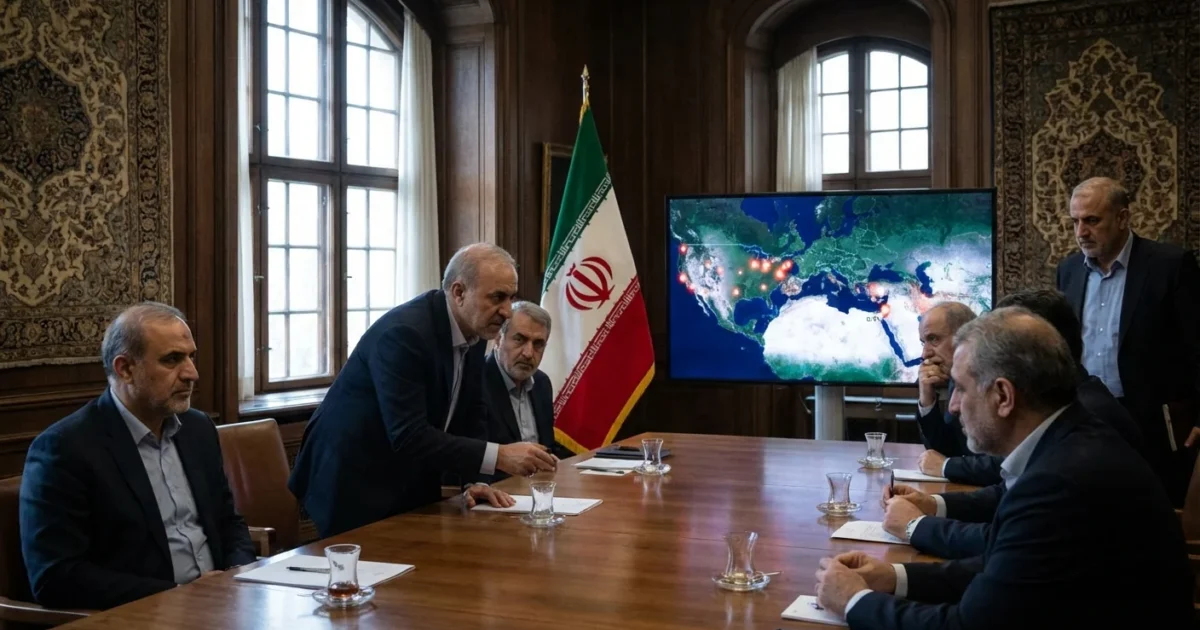
BREAKING: Iran’s president declares a “total war” with the West
Iran’s president has escalated the crisis with a stark line. He says Iran is in a total war with the West, naming the United States, Israel, and Europe. It is an explosive phrase that lands like a drumbeat across the region. It is not a formal act of war. It is a political marker, and it is meant to move governments.
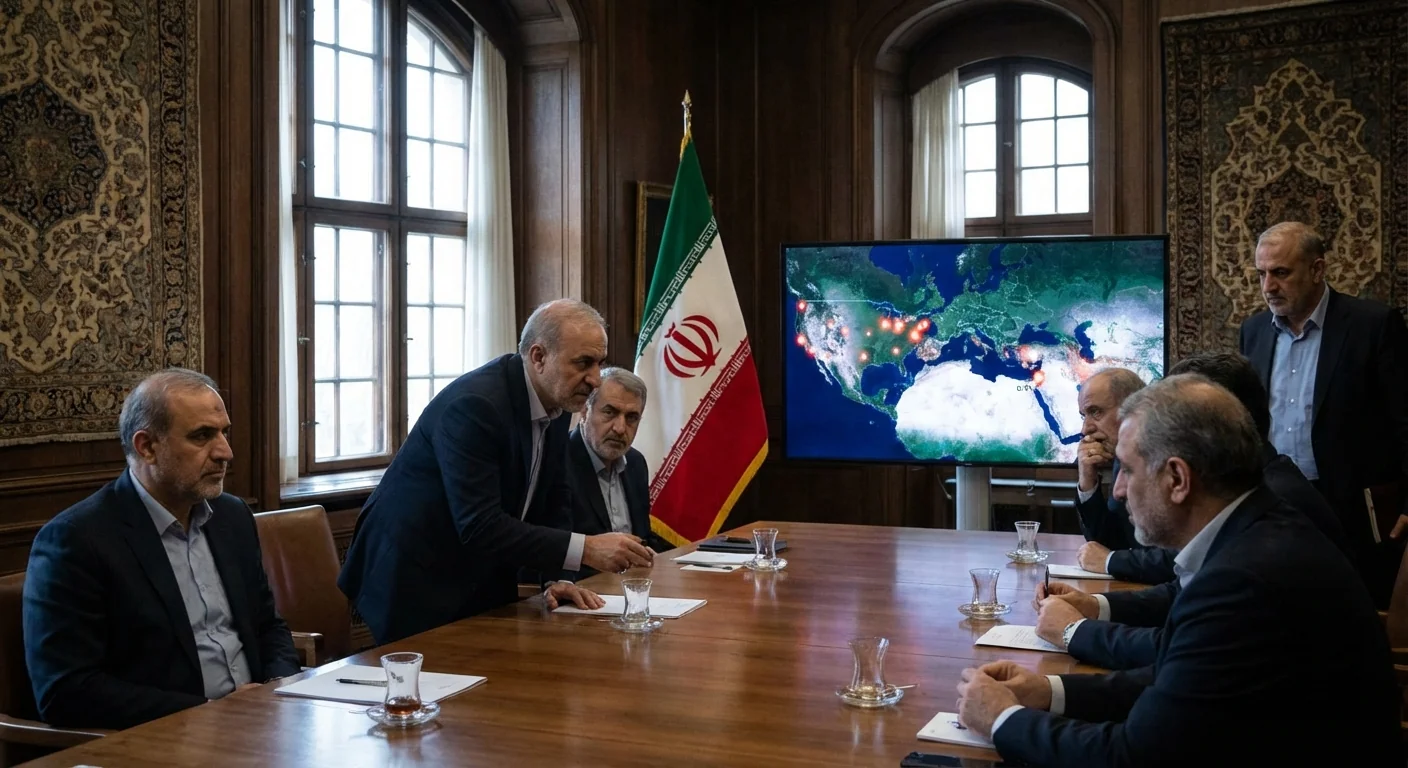
What the words really mean
The statement is both message and map. It rallies Iran’s base at home. It frames every clash and sanction as part of one big fight. It also tests the resolve of foreign capitals. Tehran often blends hard talk with careful moves. This is sharper talk, with higher stakes.
Inside Iran, this language tightens elite unity. It gives security forces a mandate to push back on dissent. It links domestic pressure to foreign enemies. That creates space for tougher economic controls and greater media limits. It also signals Tehran’s proxies to posture, yet avoid a step that would trigger a direct war.
There is no formal declaration of war. But the rhetoric raises the ceiling for risk and lowers the bar for miscalculation.
Likely responses from Washington, Jerusalem, and Europe
Washington will read this as a warning and an opening. Hawks will call for new sanctions, more naval power in the Gulf, and tighter export bans. Diplomacy advocates will push for backchannel talks, energy market calm, and guardrails around regional flashpoints. The White House will try to show strength without locking into a spiral.
Israel will treat the words as strategic cover for proxy moves. Its war cabinet will weigh quicker strikes on Iranian assets tied to rocket and drone supply. Expect closer coordination with the United States on missile defense and cyber tools. Jerusalem will look for gaps to hit, while avoiding a chain that forces a direct clash with Iran.
Europe will move in step with Washington, but with more focus on de escalation. Expect talks on sanction harmonization, maritime security, and a fresh push to police dual use tech. European leaders will press for restraint, while preparing for energy and refugee shocks.
Regional risk in the next 72 hours
The near term risk is not a formal war. It is a pileup of small hits that add up. One drone strike too close to a base. One rocket that kills the wrong people. One ship stopped in the Strait.
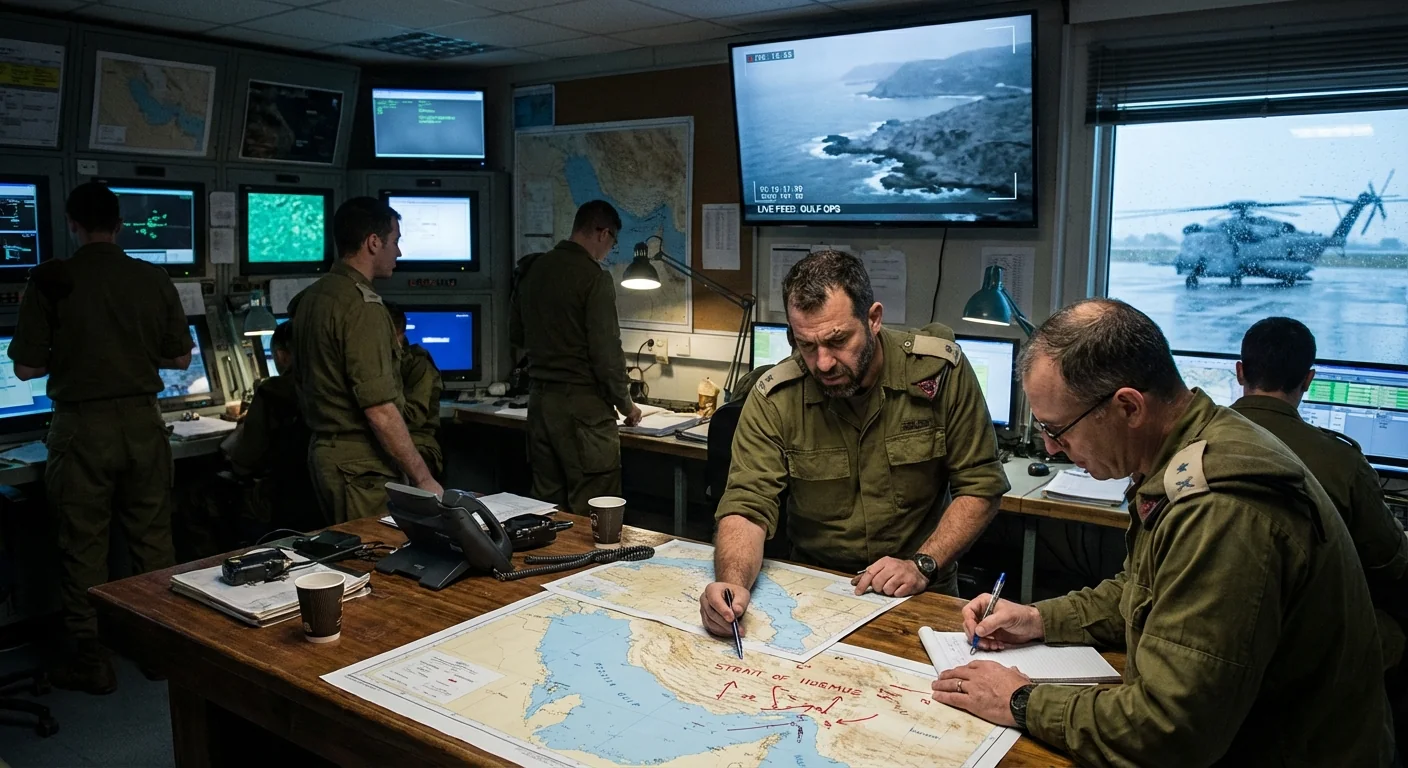
Watch for early signs that the line is shifting:
- Maritime harassment near the Strait of Hormuz and the Red Sea
- Larger drone salvos at US or allied sites in Iraq and Syria
- Rapid mobilization by Hezbollah or Iraqi militias
- Cyber probes on energy or financial networks
Shipping lanes are the soft underbelly. A single seized tanker could spike rates, rattle energy markets, and force military escorts.
Policy stakes and partisan fault lines
In Washington, this hard line from Tehran will sharpen the divide. Security hawks will argue that only pressure works. They will push secondary sanctions on banks and shippers, and more Patriot and Aegis coverage in the region. They will also seek to penalize countries that buy Iranian oil.
Doves will warn against a march toward open conflict. They will call for a diplomatic channel that links sanctions relief to strict limits on drones, missiles, and uranium stockpiles. They will frame this as crisis management, not concession.
The political cost of getting this wrong is high. A major strike on US forces would reshape the debate overnight. Calm would reward those arguing for restraint and discipline. Any stumble at sea or a mass casualty event on land could drive bipartisan support for tougher action.
In Israel, war cabinet politics will harden. Leaders will claim the Iranian statement proves their case on deterrence. Opposition voices will ask for clear limits, to avoid a fight on multiple fronts. In Europe, coalition governments will feel pressure from both security and economic wings. Voters want safety and stable prices. Leaders will try to deliver both.
De escalation paths that still exist
Tehran is using maximal words, but it has kept some doors open. Backchannels can carry messages on rules of the road. Quiet deals can set red lines around US bases, shipping lanes, and major cities. Regional partners, like Oman and Qatar, can help translate these lines into pauses.
A narrow technical deal on drones and missile transfers is possible. So is a maritime code that reduces boarding incidents. A broader nuclear dialogue is harder, but still useful as a pressure valve. The United Nations can host a corridor for humanitarian and prisoner issues. These do not solve the conflict. They buy time and control the sparks.
Crisis diplomacy works best when each side can claim a win at home. Frame outcomes as safety and sovereignty, not surrender.
What this means for citizens at home and abroad
Expect travel advisories to tighten. Insurance costs for shipping will rise. Energy prices may jump on fear alone. Diaspora communities could face more scrutiny, and dual nationals should review consular guidance. Businesses with exposure in the Gulf should plan for delays and rerouting.
Civic life feels moments like this. Markets wobble. Families recalculate travel and school plans. Voters look for clarity and steadiness. Leaders who explain the stakes, set limits, and show control will gain trust. Those who posture without a plan will not.
The bottom line
Iran’s president chose words that raise the temperature. The goal is leverage, unity, and deterrence. The danger is a chain of moves that no one can stop. The next few days will test discipline on all sides. Strong signals, clear limits, and steady nerves will decide whether this is rhetoric, or the start of something far worse.

