

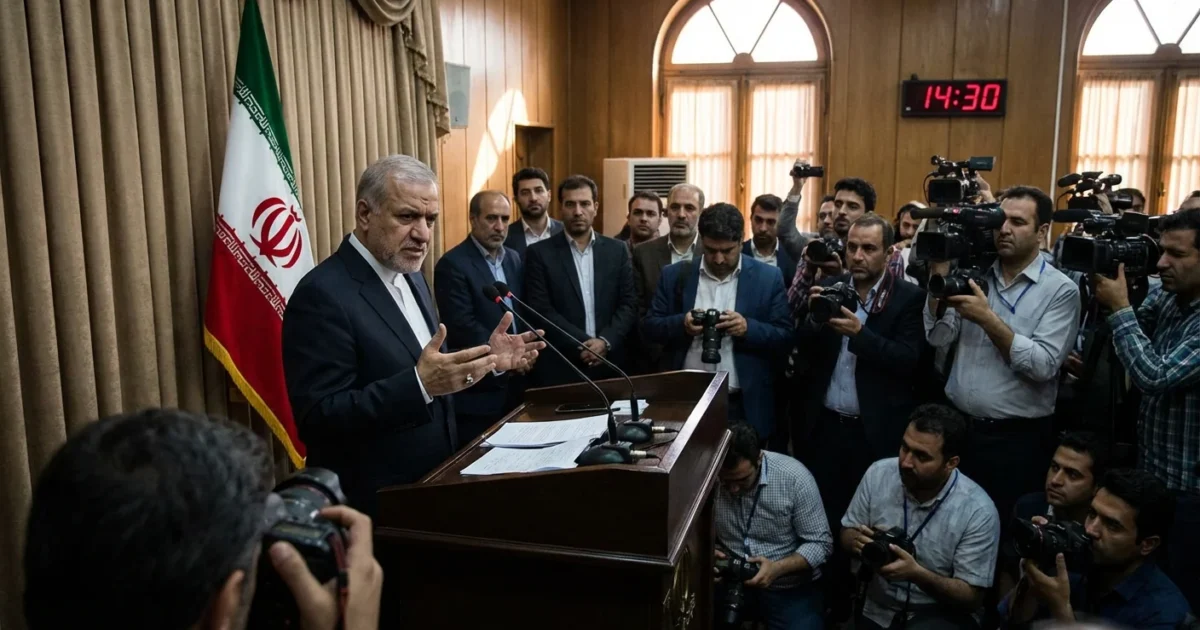
BREAKING: Iran’s president says his country is in a “full-scale war” with the West, naming the United States, Israel, and Europe. The words are stark. The stakes are high. The world just got more dangerous, and the politics of it will move fast.
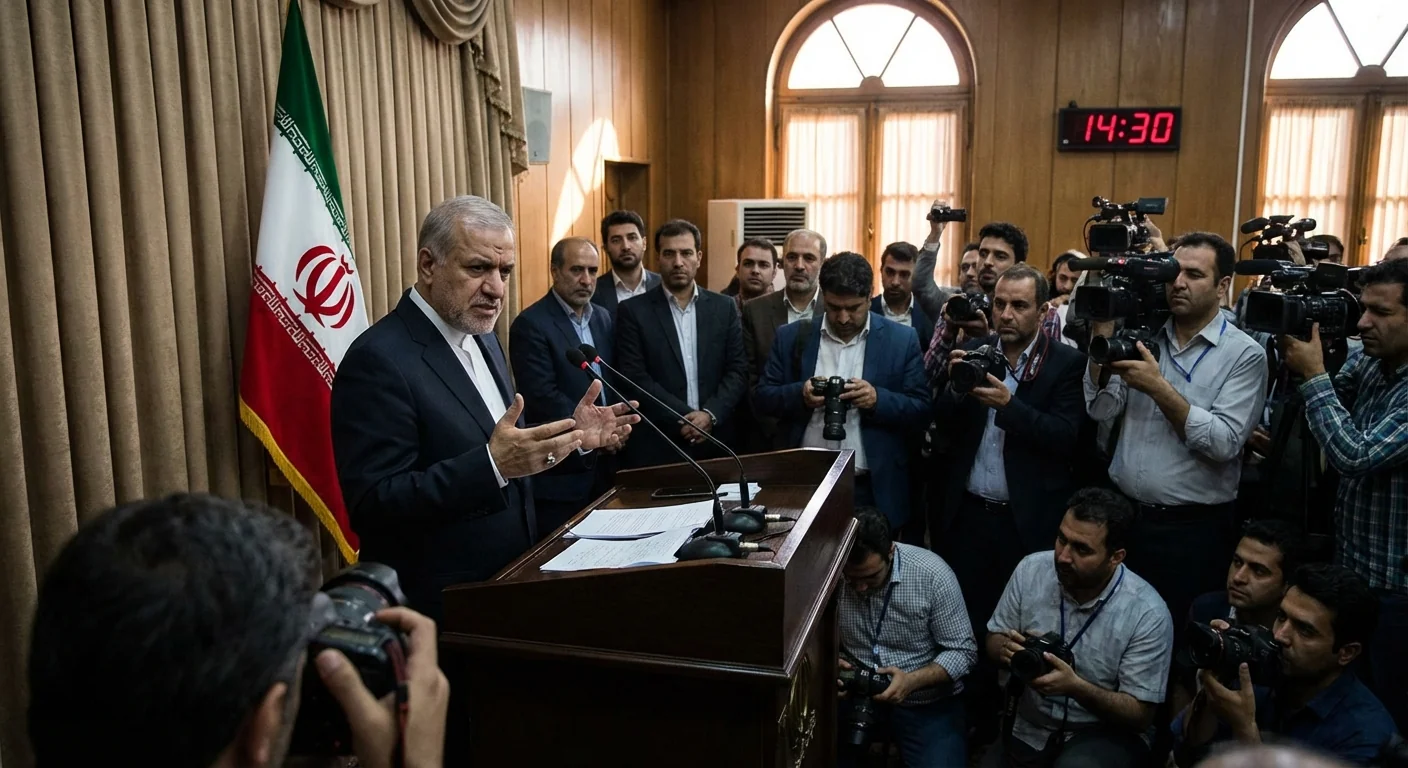
What was said, and what it means
The statement is blunt. He used the phrase “full-scale” or “total” war. He cited the US, Israel, and Europe by name. That framing is not routine rhetoric. It links Iran’s confrontation across fronts into one umbrella fight. It raises the temperature in every capital that matters.
But does it equal a legal declaration of war? Not yet in any formal sense. Under international law, a declaration usually comes with clear notice, formal acts, or direct state-to-state hostilities. Iran has long fought in the gray zone, using proxies, cyber tools, and deniable strikes. Today’s language tries to erase those lines.
There is no evidence, yet, of a formal legal declaration of war. The statement is political, and escalatory, but its legal status is unclear.
This ambiguity is the point. Tehran wants leverage without inviting a united military response. It also wants to shift blame, saying the West is already at war with Iran. That prepares the ground for retaliation and a harder line at home.
Why now
Iran sees pressure on many fronts. It faces sanctions, covert strikes, and proxy clashes from the Levant to the Gulf. Israel’s posture has grown more forward. Europe has toughened enforcement. The US has expanded regional defenses and targeted networks linked to Iran. The president’s words tie all of it into a single frame, one that serves his domestic audience and his regional allies.
Timing also matters in politics. By naming the West, Iran tests unity in Washington and Europe. It seeks to raise the cost of pressure campaigns. It also tries to deter fresh strikes and shape talks over sanctions relief or prisoner issues. At home, rallying language helps the government claim resolve as the economy strains.
Policy shock, at home and abroad
In Washington, the immediate question is response. A full military call-up is unlikely. But we should expect tighter force protection, added naval assets, and new cyber guidance. The White House will weigh fresh sanctions and secondary sanctions on banks and energy buyers. Congress will press for oversight, and for clarity on any use of force.
- Republicans will push for a harder line, more sanctions, and visible deterrence.
- Democrats will demand guardrails, briefings, and stress diplomacy to prevent spillover.
Europe will close ranks on sanctions and maritime security. It will also urge channels to cool the crisis, including backdoor talks. Israel will read the statement as strategic cover for more attacks. Expect rapid readiness moves, missile defense alerts, and harsher red lines for Hezbollah and other groups.
Energy markets will react first. Insurance costs for Gulf shipping will rise. Brent could jump on fear of a Strait of Hormuz disruption. Even small threats to tankers can move prices quickly. That hits voters and small businesses fast through higher fuel and freight costs.
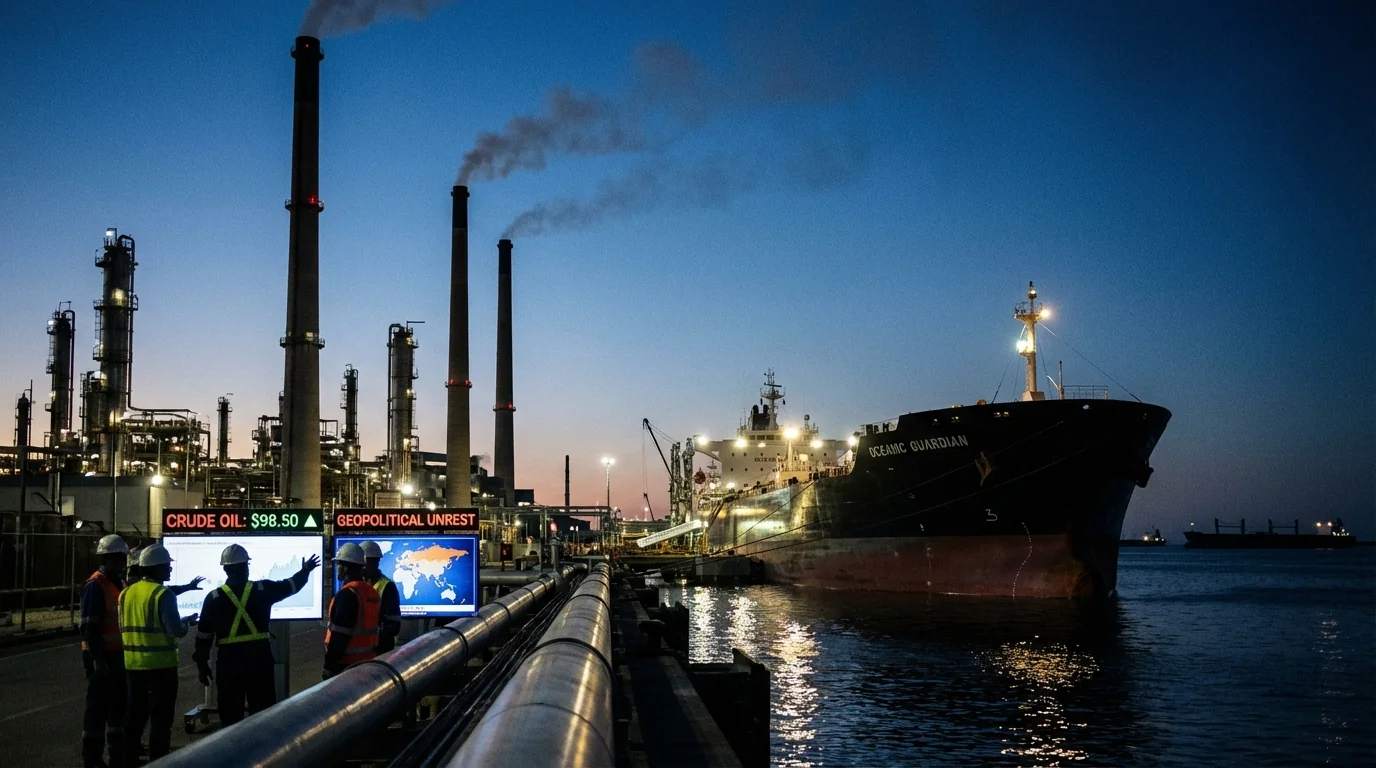
If Iran moves to harass tankers, or if strikes hit energy infrastructure, expect an immediate price spike and emergency consultations among G7 energy ministers.
Does Congress have a say
Yes. Any sizable US military move needs legal footing. Leaders will invoke existing authorizations for force against terrorist groups, but Iran is a state actor. Expect a War Powers notice if strikes occur. Hearings will begin within days, focusing on deterrence, energy security, and cyber defense of critical infrastructure.
The politics are sharp. Hardliners will argue that restraint invites attacks. Doves will say loose talk of war helps Tehran’s narrative and risks a spiral. The middle will push for allied unity, sharper sanctions, and tight rules of engagement. Defense votes, sanctions packages, and Ukraine and Israel aid debates will all feel the ripple.
What to watch in the next 72 hours
- Military posture changes around the Gulf and the Levant.
- Any Iranian moves at sea, including drones, mines, or boarding threats.
- New sanctions designations and warnings to banks and shippers.
- Cyber incidents against infrastructure in the US and Europe.
Be cautious with unverified videos or claims. In crises like this, false stories spread fast and shape real decisions.
Civic impact, close to home
Travel advisories will tighten for the region. Cyber agencies will urge updates and multi-factor authentication. Businesses with exposure to shipping, aviation, or energy will face higher costs. Families with service members may see sudden deployments. Communities with ties to the region could face harassment or fear. Leaders should speak clearly against hate and panic.
Local politics will feel it too. Governors and mayors track fuel prices, port security, and cyber risks to hospitals and schools. City councils will brief on emergency planning. School districts may review field trips and travel. This is what global crises look like on Main Street.
The bottom line
Iran’s president just tried to redraw the map of confrontation, in one sentence. It is not a formal legal war, at least not yet. It is a political escalation with real risks. The smart move now is steadiness. Build allied unity, harden defenses, protect shipping, and keep channels open. Strong deterrence and clear limits can prevent a slide into a fight that no one can control. The words are loud. What happens next, and how leaders manage it, will matter even more.

