

BREAKING: Iceland pulled into fresh Arctic fight after Trump revives Greenland push
Confusion is spreading fast, and it matters. In Davos today, President Trump again talked up a United States bid for Greenland. He described a framework and suggested tariff threats were off the table. That talk is already spilling over onto Iceland. The two places are not the same, and the politics are not either. Here is what is real, what is noise, and what comes next for voters and allies.
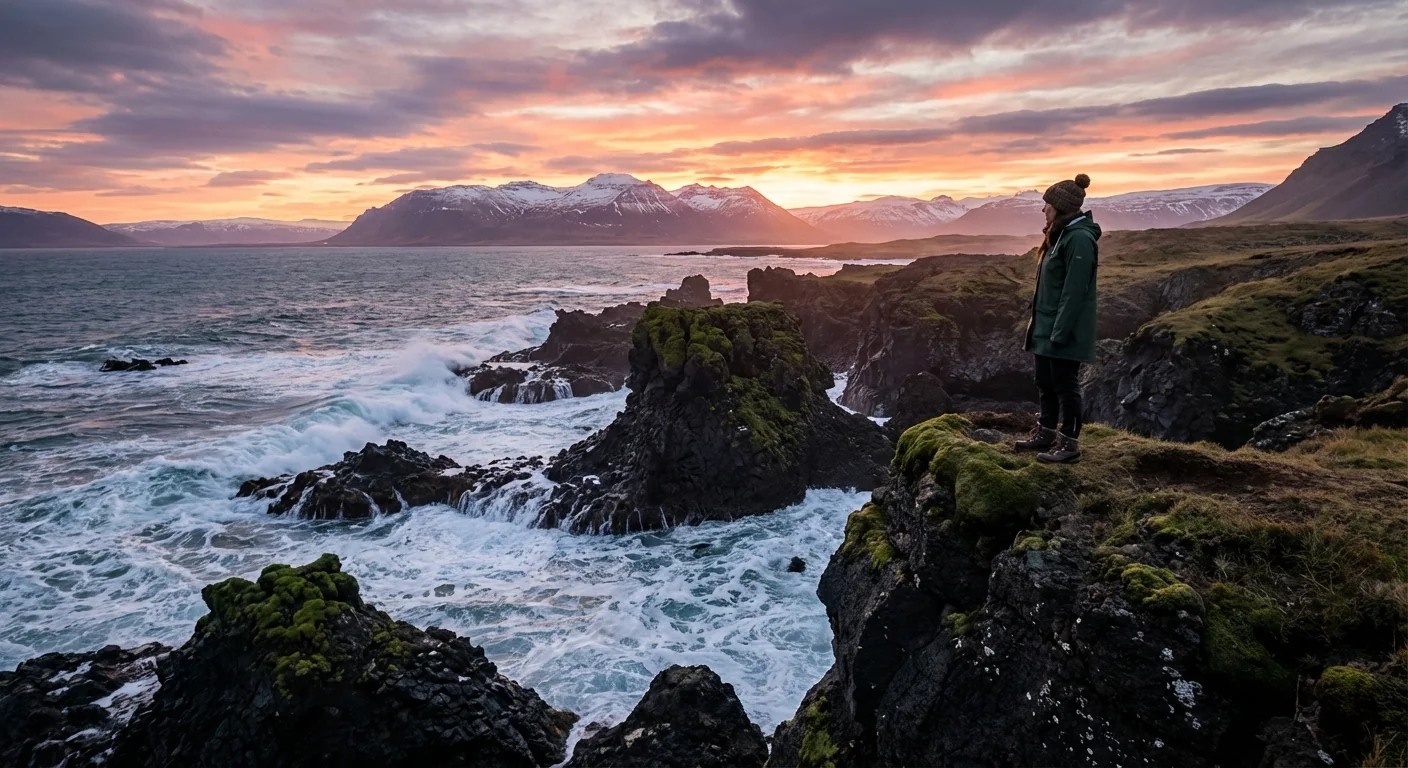
Iceland is not on the table
Iceland is an independent Nordic democracy. It is not part of the Kingdom of Denmark. It is not for sale. It is a member of NATO and the Arctic Council. It has no standing army, but it hosts allied forces by agreement.
Greenland is different. It is an autonomous territory inside the Kingdom of Denmark. Any transfer would require consent from Greenland’s own government and Denmark’s parliament. That is a very high bar.
- Iceland is a sovereign state, with its own president, prime minister, and parliament.
- Greenland is self ruled, but Denmark handles defense and foreign policy in key areas.
- Iceland hosts allied patrols at Keflavik. No base exists without Iceland’s consent.
- Greenland’s minerals and rare earths draw interest. Iceland’s value is location and logistics.
Simple rule, Iceland is independent and stays that way. Greenland answers to Greenlanders and Denmark, not Washington.
The Greenland push, and what it signals
The Davos remarks were not a one off. Trump has tried this idea before. Reviving it now is a signal on Arctic strategy. Washington wants leverage over sea lanes, minerals, and NATO posture as the ice melts. The message to Moscow and Beijing is clear, the United States intends to be present.
There is a big legal wall. The United States cannot buy territory by speech. A deal would require a treaty. The Senate would need a two thirds vote. Denmark would need to say yes. Greenlanders would need to say yes. In the past, they have said no. Even talk of tariffs tied to territorial talks would draw blowback in Congress.
The partisan split is sharp. Many Republicans applaud a bolder Arctic plan and more basing rights. They argue it protects shipping and deters rivals. Many Democrats see a colonial echo and warn of damage to alliances. They also point to climate, and say money should go to resilience in Alaska and coastal states.
Land deals face law, not slogans. Without Greenland and Denmark on board, this goes nowhere.
Why Iceland keeps getting dragged in
Iceland sits at the center of the North Atlantic. It anchors the sea and air corridor between North America and Europe, the GIUK gap. That lane matters for submarines, surveillance, and supply. NATO flyers rotate through Keflavik. US Navy aircraft hunt subs in those waters. Iceland is a quiet hub, but it is pivotal.
When Washington talks Greenland, the map pulls in Iceland. That creates public mix ups. It also creates real policy pressure in Reykjavik. Iceland’s leaders guard their sovereignty. They also value alliance ties and trade with Europe. Any new US push in Greenland will send more aircraft and sailors through Icelandic gates. Local politics then turn to noise, jobs, and footprint. Expect debate between parties that stress tourism and environment, and those that stress security and steady NATO ties.
For Europe, Iceland is a bellwether. If Reykjavik feels squeezed, it will speak up inside NATO. That affects planning, from air policing to undersea cables. A rushed Greenland play could upset that balance.
What happens next
Do not expect a quick deal. Watch four tracks.
- The White House will try to frame an Arctic strategy around great power rivalry.
- Congress will assert its role on treaties, money, and oversight of basing.
- Copenhagen and Nuuk will restate red lines. Their domestic politics will drive the pace.
- Reykjavik will push for clarity on flights, exercises, and any new commitments.
Civic impact lands at home too. Voters should press candidates on Arctic policy, not slogans. Ask how they plan to fund icebreaker fleets, coastal resilience, and alliances. Ask how they will consult local communities, including Indigenous groups in the Arctic. And ask whether they respect partner consent, which is the heart of NATO.
- What is the plan for NATO in the North Atlantic, including Iceland?
- How will climate risk shape shipping and search and rescue?
- What guardrails protect alliances from surprise tariff threats?
- Who benefits from new mining or basing, and who pays the costs?
Allies are watching. Consent, process, and respect will decide whether the Arctic becomes a stable frontier or a source of crisis.
The bottom line
Iceland is not for sale. Greenland is not a pawn. Today’s remarks reveal an ambition to reset the Arctic balance. The law, and partner democracies, stand between talk and action. The smart path is tighter NATO coordination, clear funding, and respect for Iceland’s role. Anything else risks confusion, weakens trust, and hands rivals an opening. The map matters, but so do the people who live on it. 🌍

