

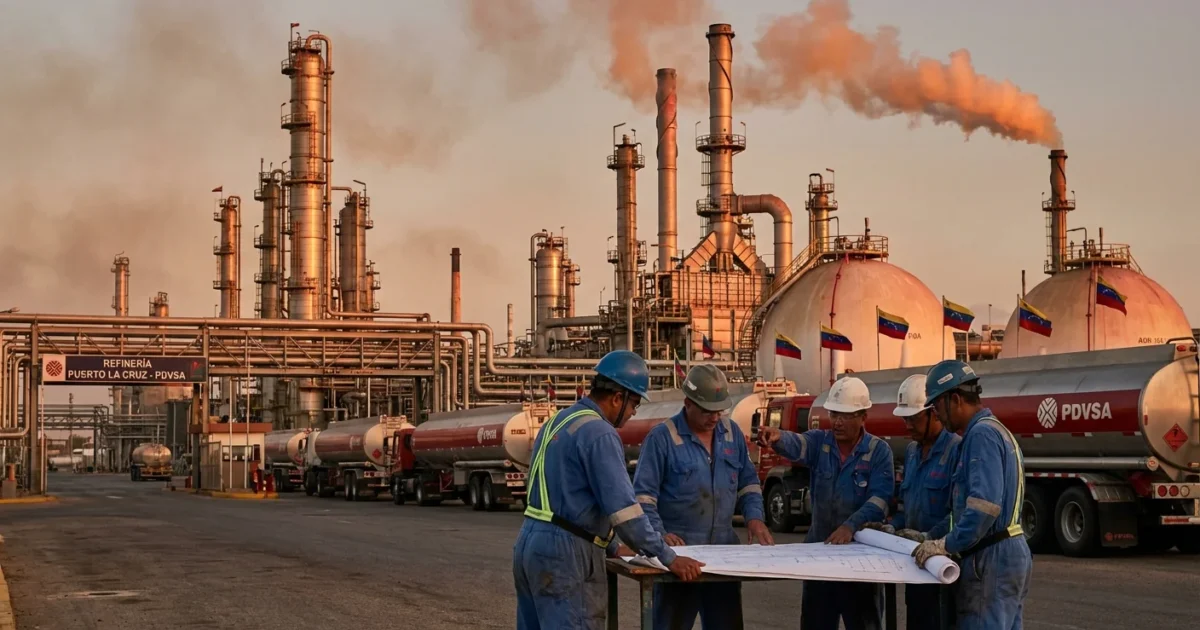
Hugo Chávez is back at the center of the fight for Venezuela’s future, even in death. His chosen heir, Nicolás Maduro, was seized today in a surprise U.S. operation in Caracas. The shock is real. The stakes are bigger than one man. Chávez built a system that still grips the state. That system is now cracking in plain view.
Chávez’s Shadow Over a Seismic Day
Chávez led Venezuela from 1999 to 2013. He died in 2013. He left behind a movement, a party, and a myth. Maduro took the reins and hardened the state. Today, that chain broke. U.S. forces captured Maduro and his wife, Cilia Flores, and put them on a U.S. warship. He will face U.S. criminal charges, including narco-terrorism.
This moment is about Chávez because he planted the roots of today’s crisis. He rewrote the constitution. He fused the party with the military and the oil company. He used oil money to build loyalty. Maduro inherited the tools, but he lacked the magic. The project survived on control, not consent. The arrest tests whether Chavismo was a man, a machine, or both.
Hugo Chávez died in 2013. Today’s operation targeted Nicolás Maduro, his successor.
What the Operation Means for Power in Caracas
The first battle is not in court, it is on the streets and in the barracks. I am hearing from officials who expect split reactions inside the armed forces. Some commanders will protect the old guard. Others may switch fast and look for guarantees. If the chain of command fractures, local strongmen can rise. That can turn a shock into chaos.
Civilian politics will race to fill the gap. María Corina Machado is the most talked about figure to lead a transition. She voices a clean break with Chavismo. The ruling party, PSUV, will try to keep control of congress, courts, and the oil company. Loyalists may push a caretaker from inside the regime. The opposition will argue for a unity government and a fast but credible vote.
Two facts will shape the next week. First, who controls the national guard and police. Second, who can secure TV, ports, and oil sites. Power is logistics, not slogans.
The Legal and Diplomatic Fight Now Begins
The White House is claiming a clear legal basis for the operation. Critics in Congress are already calling it unlawful. Expect hearings on war powers. Expect court fights over custody and venue. International law will be front and center. Caracas calls this a kidnapping. Russia, Cuba, and Iran are lining up behind that claim. Many Latin leaders, even those who dislike Maduro, hate the precedent.
At the United Nations, the language will be sharp. Sanctions policy may shift by the hour. Relief will be tied to steps toward free elections. The Organization of American States will push for a civilian path. The timeline is tight. The risk of missteps is high.
Escalation is possible. Armed groups and foreign advisers may test a weak transition. Civilians should avoid protests near military sites.
Oil, Sanctions, and the Wallet Test
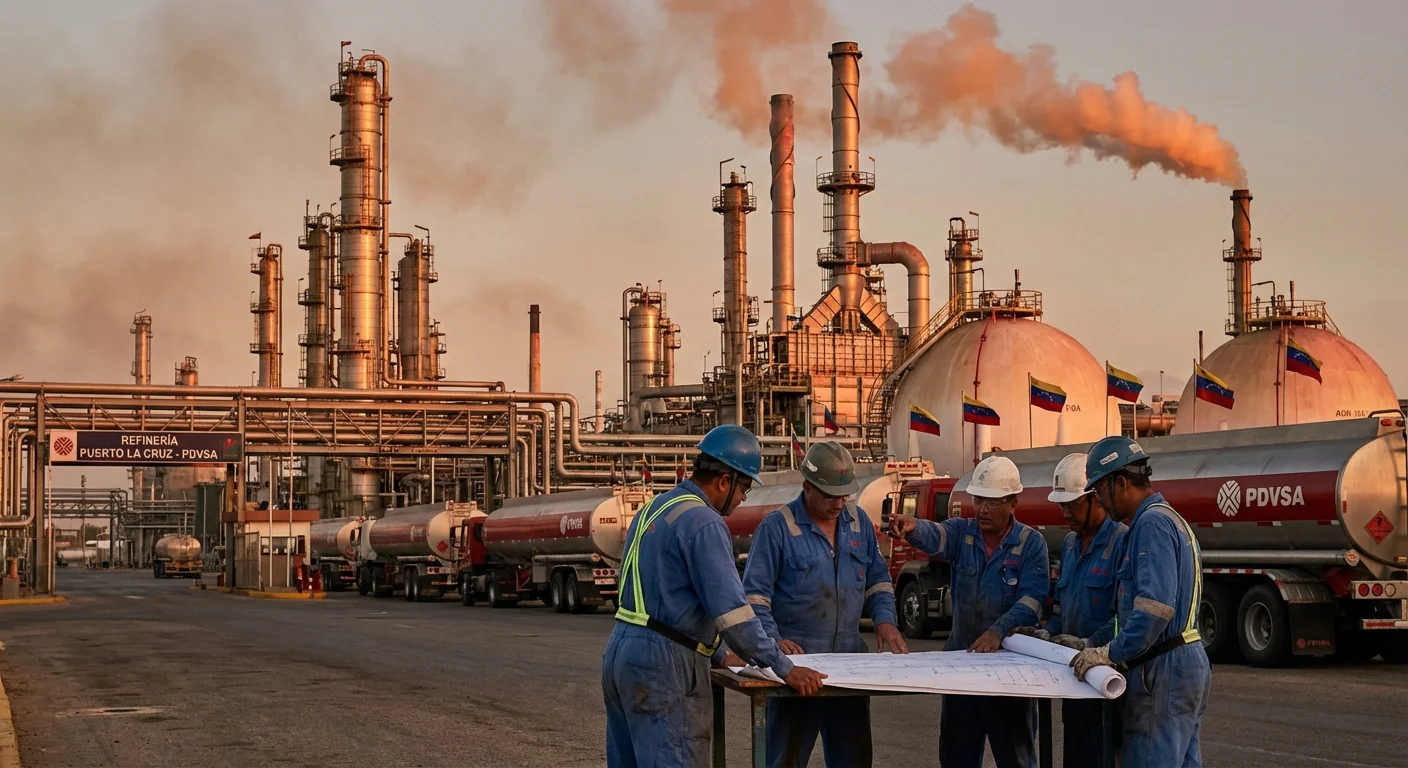
Oil will decide how durable any new order is. President Trump praised the operation and said the U.S. will be very strongly involved in Venezuela’s oil sector. That points to deals, licenses, and pressure. PDVSA needs cash, parts, and trust. U.S. refiners want heavy crude. Sanctions and compliance rules can move prices fast.
If a transition government takes hold, targeted sanctions can ease. CITGO’s fate will return to the table. If the regime fights back, enforcement will tighten, and investors will freeze. OPEC will watch closely. Venezuela’s barrels are not a tap you flip on in a day. Pipelines, upgraders, and workers need time and safety.
[IMAGE_2]
Here are the near term choices that will shape outcomes:
- Name an interim authority that can pay salaries and keep lights on.
- Create a security plan for ports, refineries, and power plants.
- Set a short, clear path to elections that includes all major factions.
- Pair sanctions relief with reforms at PDVSA and the central bank.
- Bring in monitored aid to calm food and medicine shortages.
Partisan Angles, At Home and Abroad
In Washington, the divide is clear. Republicans applaud a bold strike and promise support for a free Venezuela. Democrats demand proof of legal authority and a public plan for the day after. Florida politics will roar. Venezuelan and Cuban communities will press hard, and they vote.
In Latin America, the map splits. Colombia and some Andean countries will welcome a transition, if it is civilian led. Mexico and Brazil will urge restraint, and they will warn against foreign boots. Europe will focus on rule of law and human rights. Everyone will watch the oil, because everyone lives with energy prices.
The Civic Test After Chávez
This day writes a new chapter in Chávez’s long shadow. His movement claimed to give power to the poor. It also built a system that crushed rivals and broke the economy. Now the country faces a civic test. Can leaders build rules that outlive them. Can citizens vote without fear. Can oil serve the nation, not a clique.
The next 72 hours will set the tone. If institutions hold, a peaceful transition is possible. If force decides everything, the break will be bloody and brief. The Chávez era ends not with a rally, but with a reckoning. This is the moment to choose law over fear, and a future over a cult of the past.

