

BREAKING: Grey Bull Rescue launches Operation LATIN SHIELD to evacuate Americans from Venezuela
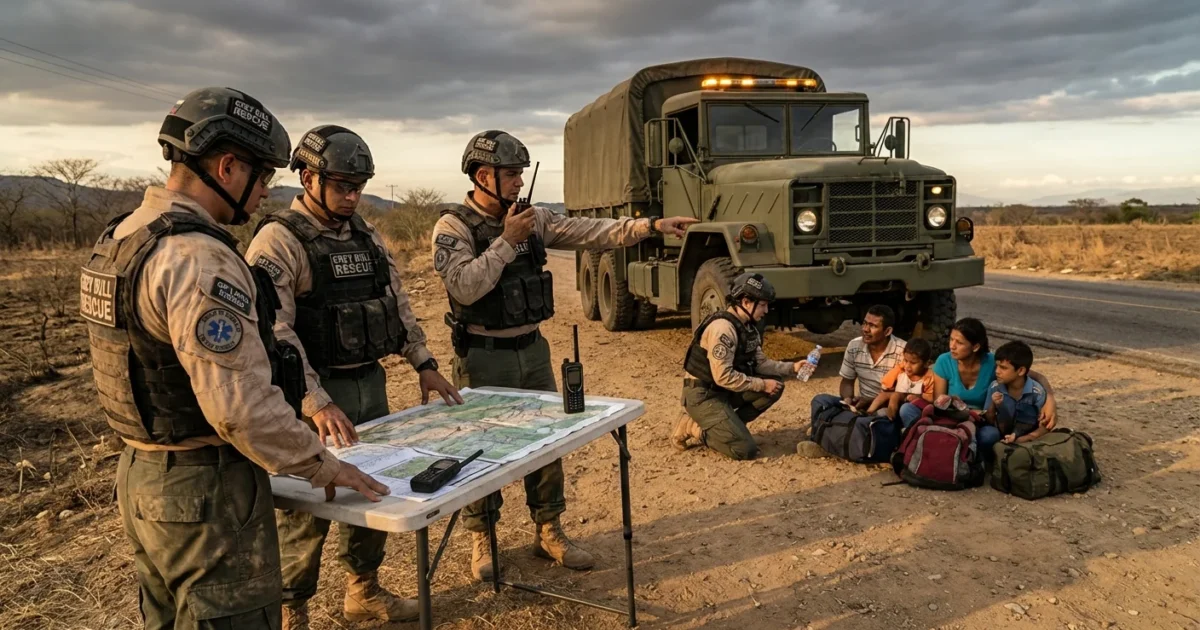
Grey Bull Rescue has activated Operation LATIN SHIELD today, a purpose-built evacuation of American citizens from Venezuela as tensions rise and military action becomes more likely. I can confirm the group has staged air, maritime, and ground teams, plus Starlink-enabled communications, to move even if local power and cell networks fail. This is the nonprofit’s first readiness push in a setting where the United States could be seen as the aggressor, a shift that turns a rescue into a political act with real policy stakes.
What Grey Bull is putting in the field
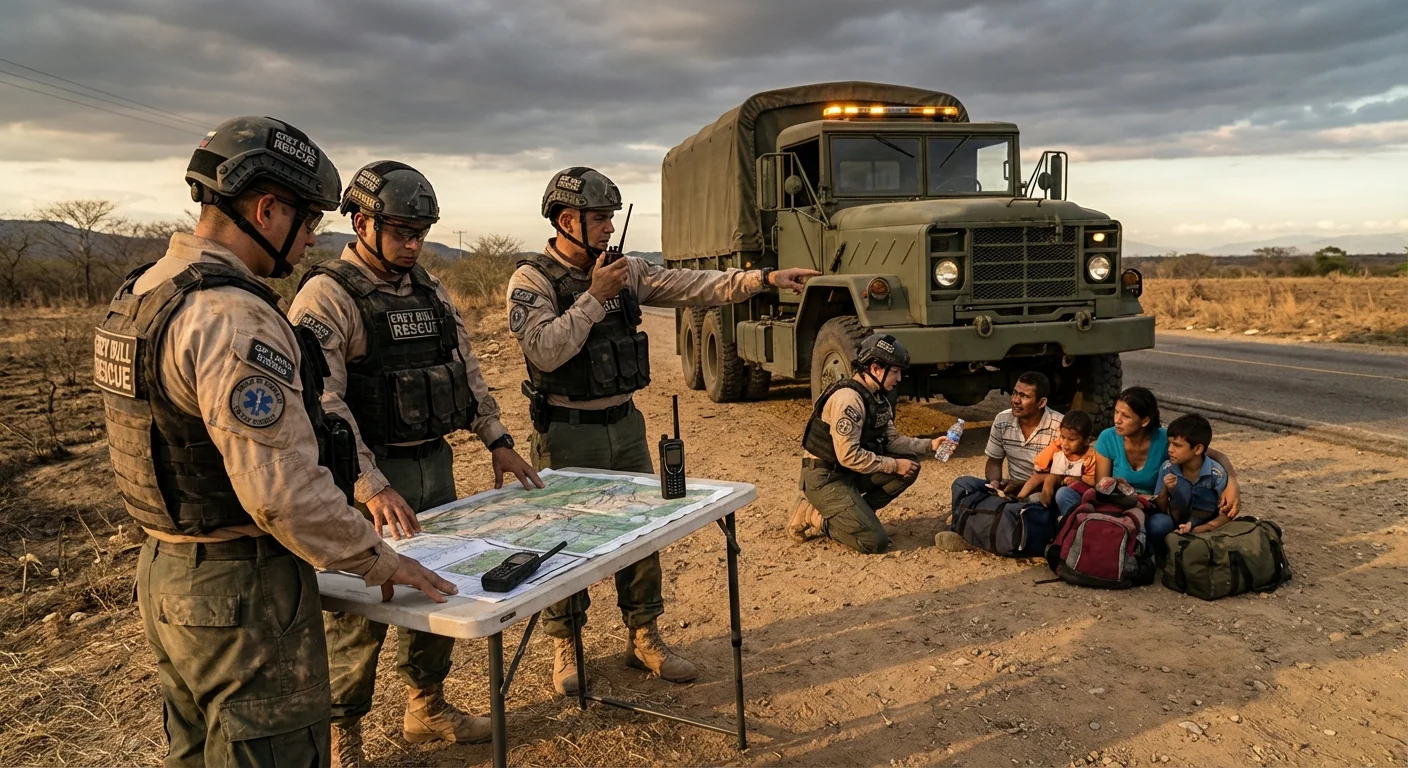
The organization has pre-positioned planes that can land on short or rough strips, boats for coastal extraction and cross-border movement, and secure ground routes that can adjust to checkpoints and curfews. Starlink nodes are already tested, which means command and families can talk even if the grid collapses.
Grey Bull says it has run about 800 missions and helped save 8,400 lives. Last month, it evacuated 343 Americans from Jamaica in under a day after Hurricane Melissa, a mission it called Operation ISLAND CROSS. LATIN SHIELD is different. The threat now is not weather, it is kinetic risk and politics.
If you are an American in Venezuela, keep your passport, cash, meds, and a charged phone ready. Stay put until told to move. Share your GPS location with someone you trust.
Policy stakes in a gray zone
Private evacuation in a live geopolitical crisis sits in a legal gray zone. Venezuela is under U.S. sanctions, so money flows and gear can require licenses. Moving encrypted communications and satellite terminals can trigger export rules. Overflight and landing rights need host nation clearance, or a lawful workaround through a third country.
There is also the Vienna rules on consular protection. The State Department leads official evacuations, often through authorized or ordered departure. A private rescue that moves first can save lives, but it can also complicate talks with a host government that views the group as an arm of U.S. policy. In this case, any perception that the United States is the aggressor could make Americans targets at checkpoints and airports.
Security risks are real. Armed escorts, if used, can be read as paramilitary. That invites arrest, seizure of assets, or worse. Insurance markets will tighten overnight. If a private team is detained, the U.S. government might face a consular crisis with little leverage.
Coordination, conflict, and the partisan fight
The administration will have to choose how to engage. Quiet coordination can deconflict airspace, maritime lanes, and border crossings. It can also set basic standards so desperate families are not scammed or sent down unsafe routes. Public distance is also possible, which would leave Grey Bull to negotiate permissions on its own.
Republicans will likely praise fast action to get Americans out and press the White House on why a nonprofit is leading. Expect calls for more force protection near extraction points and criticism of State if official options lag. Democrats are poised to warn against privatizing evacuation, and to question how private actors handle data, money, and use of force. Many will also press for restraint if kinetic options are on the table, and for tight legal guidance under sanctions law.
Florida politics will light up, given its Venezuelan American community and its role in national messaging on democracy and regime pressure. Hill leaders are already drafting oversight letters. Hearings could come fast, focused on chain of command, licensing, and liability.
- What Congress may do next:
- Demand briefings from State, Treasury, and Defense on deconfliction and sanctions licenses
- Set minimum standards for private evacuations, including vetting and transparency
- Create limited immunity or insurance backstops for good-faith rescues
- Require real-time notification to embassies when private teams move

Civic impact, here and abroad
For Americans in Venezuela, the civic message is simple. Register with official channels and a reputable operator, then wait for instructions. Mixed signals can kill. Families in the United States should prepare documents and power of attorney, and avoid wiring money to unknown brokers. Airlines may halt service with little notice, and borders can close within hours.
For Venezuelans, a high-profile private airlift can look like political theater. That could fuel crackdowns, or it could open a small space for humanitarian corridors. Local civil society will be under pressure either way. Every move will carry meaning beyond the runway.
Beware of fake rescue offers. Verify hotlines, insist on written plans, and confirm coordination with the U.S. Embassy.
Conclusion
Operation LATIN SHIELD is more than a rescue plan. It is a test of how private groups, the U.S. government, and a hostile host state handle a crisis where politics and safety collide. Lives are on the line, and so is policy. The next 72 hours will show whether this new model saves Americans without sparking a wider diplomatic fire.

