

A diplomatic crack just split open between two close allies. A Danish official publicly said there is a fundamental disagreement with the United States over Greenland. That single phrase turned a long simmer into a live dispute. It also jolted markets and raised urgent questions about Arctic security and alliance politics.
Why Greenland matters
Greenland sits at the top of the world, but it is not remote in strategic terms. It commands air and sea routes that link North America and Europe. It holds minerals that power modern tech. It faces a warming Arctic that is opening new shipping lanes. All of that makes it a core piece of 21st century power.
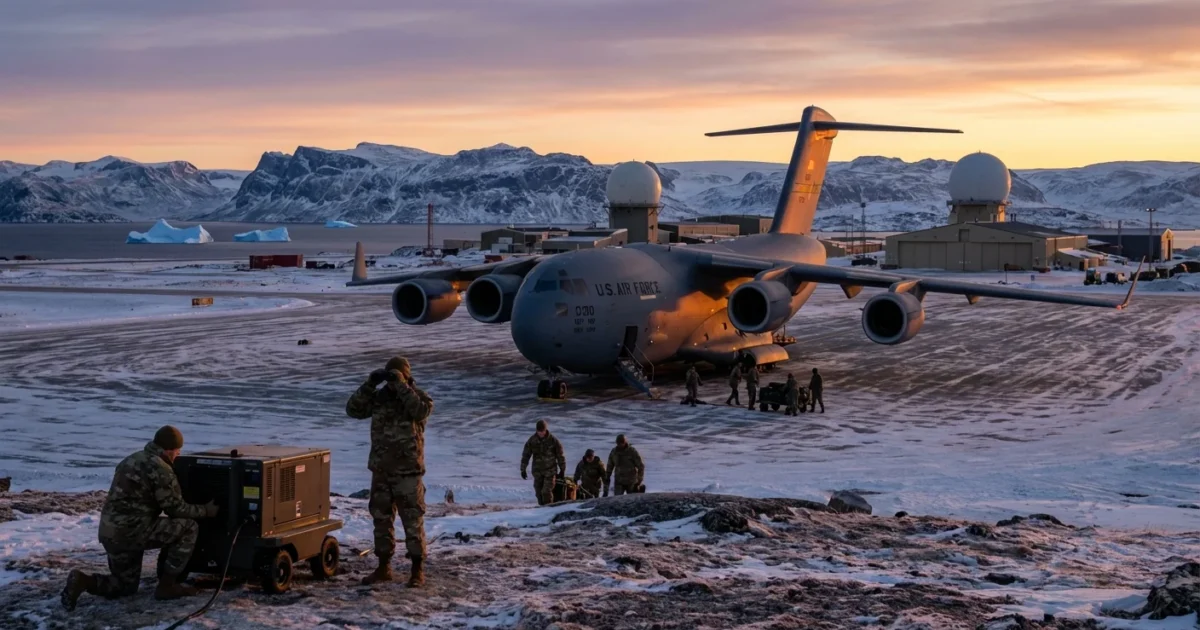
The United States already has a large footprint there. Thule Air Base hosts early warning systems and key Arctic operations. Washington sees Greenland as vital to missile defense, to tracking rivals, and to keeping the North Atlantic secure. Copenhagen sees it as part of its kingdom and a test of respect for Greenland’s autonomy.

Greenland is self ruled inside the Kingdom of Denmark, the U.S. runs Thule Air Base, and both countries are NATO allies.
This new rift echoes 2019, when then President Trump floated buying Greenland. Denmark rejected the idea, calling it absurd. That episode left scars. Today’s fight is not a copy of that moment, but the memory shapes every word.
The rift, in plain terms
Here is what changed today. A senior Danish official said there is a fundamental disagreement with Washington over Greenland. That is diplomatic code for serious trouble. It means quiet talks have hit a wall. It also means both capitals are now speaking to the world, not just to each other.
U.S. officials view the Arctic as a race they cannot lose. They point to Russian build ups and Chinese interest in rare earths. They want faster access, more joint projects, and clarity on who decides what in Greenland. Danish leaders must balance that push with respect for Greenland’s home rule and for local consent.
Greenland’s own government will press its leverage. It seeks investment on its terms, more say over security, and protection for communities on the front line of climate change. If it feels sidelined, expect louder demands in Nuuk and more friction for both Washington and Copenhagen.
If this standoff lingers, Arctic gaps can widen. Russia and China will look for openings. NATO coordination could suffer.
NATO, Arctic policy, and the alliance test
Allies do not need to agree on everything. They do need to agree on enough. In the Arctic, that means joint exercises that actually happen, shared rules for military transit, and a clear chain of command around Thule. A public split throws sand in those gears.
NATO planners now face two risks. First, a slowdown in Arctic drills and basing updates. Second, mixed signals to Moscow and Beijing. If Arctic plans stall, rivals will probe airspace, invest in ports, and test how far they can push without a response.
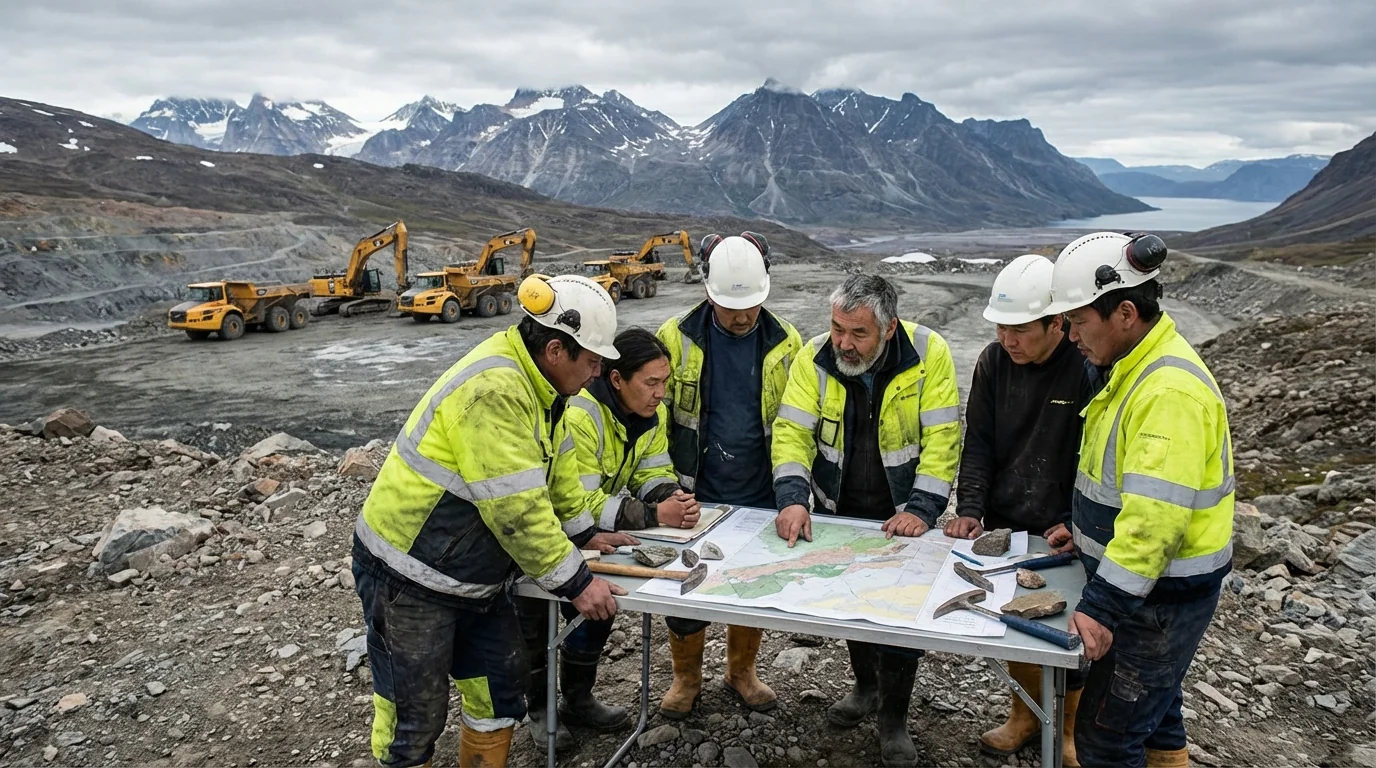
Energy and mining policy could also get messy. Greenland sits on rare earth deposits and other critical minerals. Western supply chains need them. But mining without strong local consent will fail. A rushed deal could backfire in Greenlandic politics and in European parliaments.
Partisan angles and civic impact
In Washington, this split will sharpen lines. Many Republicans will call for more hard power in the Arctic, more investment at Thule, faster icebreakers, and tighter control over critical minerals. Many Democrats will warn against alienating allies, stress climate and indigenous rights, and push for cooperative frameworks that last longer than one presidency.
In Copenhagen, leaders will defend alliance ties while deferring to Greenland’s autonomy. That balance is delicate. Any hint of pressure from Washington can spark backlash at home and in Greenland’s capital. For voters, this is not abstract. It touches defense budgets, energy prices, climate policy, and the safety of transatlantic flights.
For Greenlanders, the civic stakes are even clearer. Jobs tied to infrastructure and science. Safeguards for hunting, fishing, and local culture. Real participation in decisions about land, air, and sea. If those voices lead, the policy will hold. If they are sidelined, expect more turmoil.
Markets feel the chill, policy clock is ticking
Safe haven metals climbed today as the rift came into view. Investors do not wait for communiqués when geopolitics heats up. They run to shelter, then read the fine print later. That adds pressure on policymakers to steady the ship fast.
Watch the next moves closely:
- A joint U.S. Denmark statement that resets tone
- A direct role for Greenland’s government in next round talks
- Concrete steps on NATO Arctic exercises and rules
- A timeline on Thule upgrades and local benefits
Speed matters. Arctic policy runs on long lead times. Ships, satellites, and runways cannot pivot overnight. A month of drift can set plans back a year.
The bottom line
This is more than a spat over a map. It is a test of whether allies can manage power, resources, and respect at the top of the world. Cool heads can fix this. Clear roles for Washington, Copenhagen, and Nuuk can turn conflict into a plan. The Arctic is not a real estate listing. It is a proving ground for the alliance, and the clock is already ticking.

