

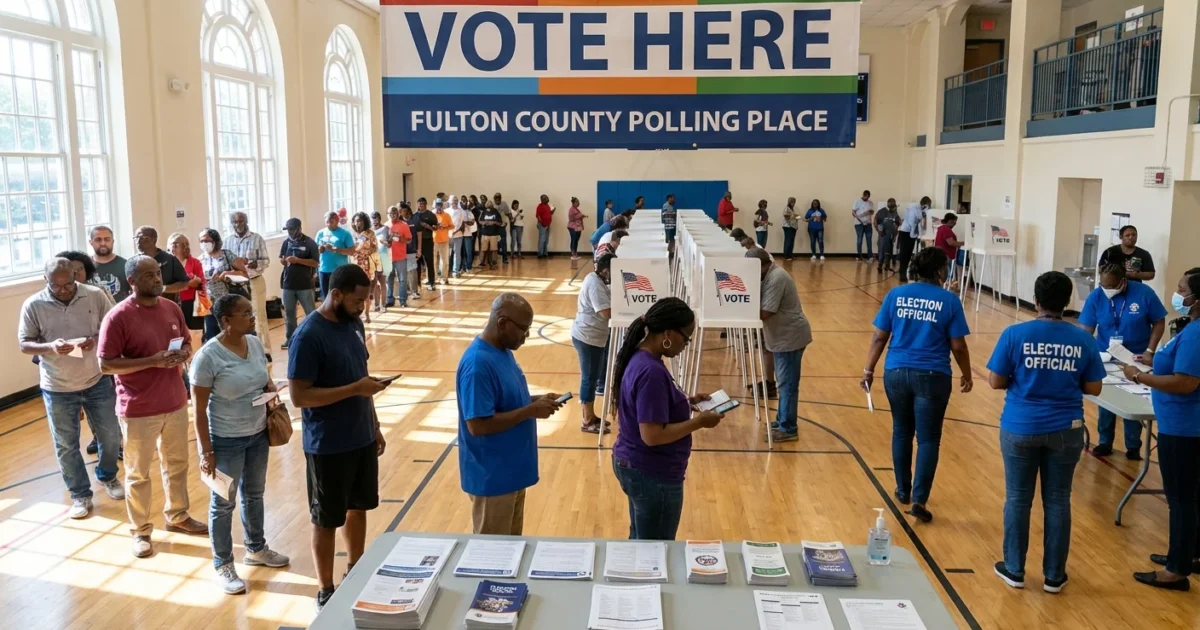
BREAKING: FBI seizes 2020 election records from Fulton County hub, igniting a federal state showdown
I can confirm the FBI executed a court approved search at the Fulton County Elections Hub in Union City on January 28. Agents removed boxes of 2020 election materials, including ballots, tabulator tapes, digital images, and voter rolls. The operation lasted hours. It left county officials scrambling for answers and legal counsel.
This is not a routine tug of war over public records. It is a direct clash over who controls the past, and who sets the rules for the future of voting in Georgia. The stakes are legal, political, and civic, all at once.
What happened and why it matters
Agents arrived with a search warrant, then secured work areas and evidence rooms. They packed sealed containers and digital drives. They documented what they took, following federal evidence rules. The Bureau is acting under a Justice Department push that began late last year, when DOJ sued to gain access to these same 2020 materials.
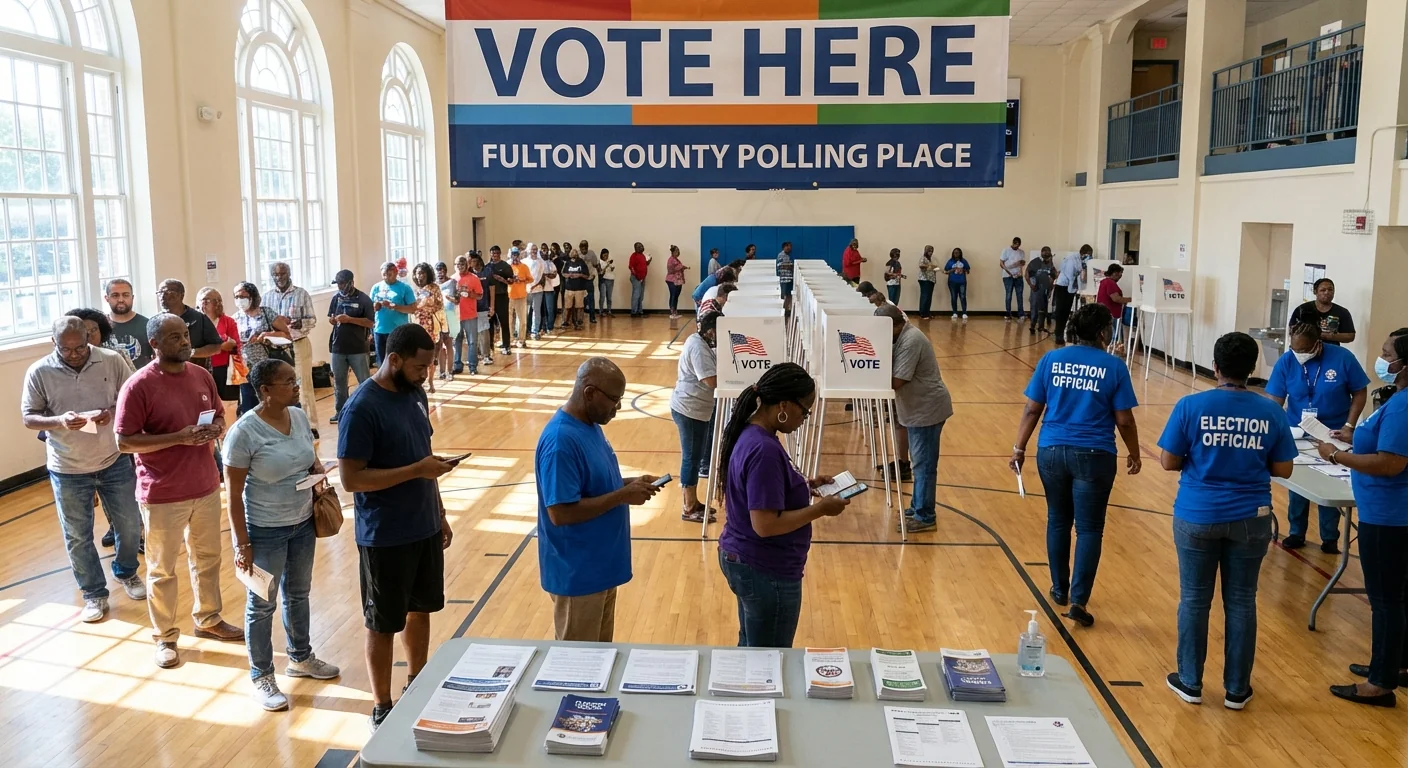
Fulton County is the center of Georgia politics. It is also the center of claims about 2020 that courts and audits have rejected. That history made Tuesday’s search more explosive. Trump allies cheered the move. Voting rights groups warned about politicizing election records. County leaders demanded clarity on where the records are now, and who has custody.
This is not just about the past. Georgia votes again this year. Trust in the system is the ballot language beneath every race on the 2026 ballot.
Federal agents must log, seal, and preserve seized records, and courts can set rules for copies and access.
The legal power behind the warrant
DOJ’s interest rests on federal election law. The department has authority to review compliance with voting rights and record keeping rules. That can include inspecting voter list maintenance records and other election materials. The judge who signed the warrant agreed the government showed enough need to proceed.
Georgia law also speaks to custody and retention. Counties keep ballots for set periods, then follow state rules for access and storage. That is why Fulton pushed back when DOJ first asked for full access. County lawyers argued state law limits who can handle original ballots and how they are viewed.
The search will test where federal oversight ends and state control begins. Expect fast motions from Fulton to set guardrails. Expect DOJ to press for continued access, citing a live investigation into compliance.
A court can require the FBI to create and provide exact copies, with a detailed chain of custody, so county audits can continue.
Chain of custody and public trust
Moving ballots is not like moving files in a civil case. Ballots carry symbolic weight and legal risk. If handling records becomes a question, future audits, recounts, or public records requests get harder. Even a clean process can face doubt if people are kept in the dark.
That is why transparency now is vital. The county needs the full inventory, the storage location, and the timeline for return or access. DOJ needs to explain its security protocols and how it will share copies. The State Election Board, which has pushed renewed probes, will want a lane that does not conflict with federal steps.
Any gaps in the paper trail will fuel claims of tampering. Speed and clarity are the best guardrails.
The partisan fight, and the 2026 backdrop
Both parties see upside and risk.
- Republicans can argue the search validates long standing concerns and demands for tougher oversight.
- Democrats can argue the move revives false claims and chills election workers before a major cycle.
- The State Election Board can claim a mandate to dig deeper in Fulton.
- County leaders can warn of federal overreach into local election control.
The politics are sharper because of recent history. The racketeering case against Donald Trump and others in Fulton, filed in 2023, was dismissed in November 2025 after the prosecutor was disqualified. That outcome hardened views on both sides. It also left Fulton exposed to possible claims for legal fee reimbursement under a 2025 state law. That is a budget threat, just as the county braces for legal bills from this new fight.
Policy and civic fallout
The policy front is crowded. Georgia lawmakers will move to tighten state custody rules, and to define when federal agencies can access local ballots. DOJ will lean on federal statutes to keep its probe intact. Courts will decide the rhythm.
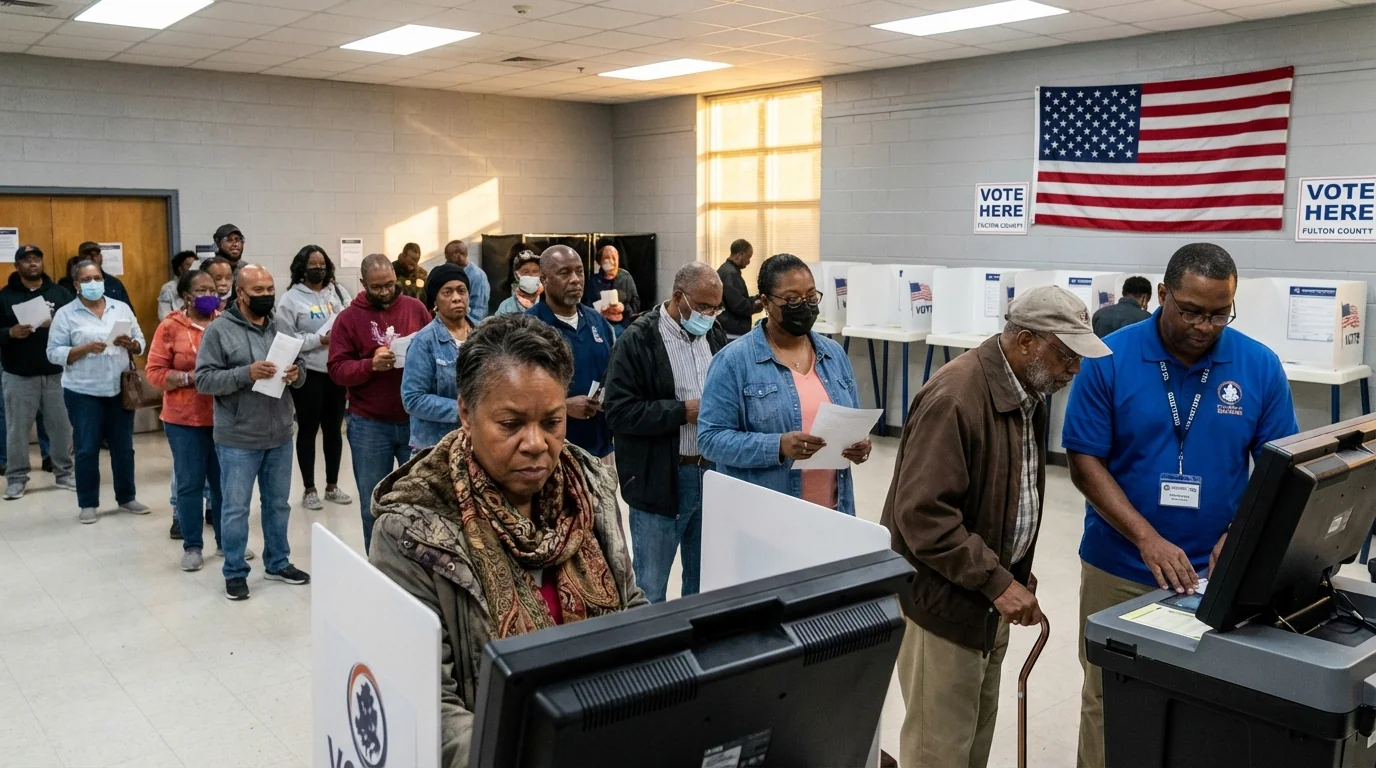
For voters, the civic impact is plain. Confidence rides on process. If Fulton and DOJ release a joint inventory, provide certified copies, and commit to public updates, trust can hold. If they retreat into silence, trust will crack. Election workers, already stretched, need clear rules and legal cover to do their jobs without fear.
Two things can happen at once. You can protect sensitive evidence, and you can inform the public. The clock is ticking, and November is coming fast.
The bottom line
The FBI search in Fulton County is the most dramatic federal action on Georgia’s 2020 election since the ballots were counted. It opens a legal test of federal power over state run elections, forces a new debate on chain of custody, and resets the political fight in a pivotal state. What happens in the next ten days, the court orders, the inventories, the ground rules for access, will shape not just how Georgians remember 2020, but how they vote in 2026.

