

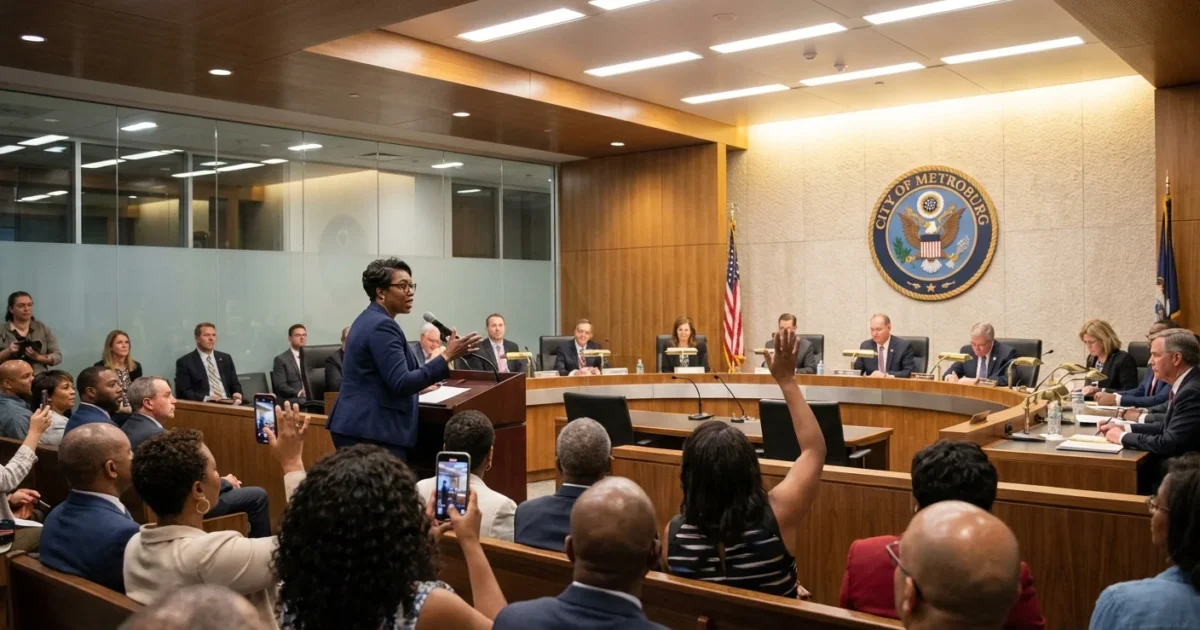
Miami just made history. I can confirm Eileen Higgins won the city’s mayoral runoff Tuesday night with about 59 percent of the vote, defeating Republican Emilio González. She is Miami’s first woman mayor and the first Democrat to hold the office in nearly 30 years. That is a big political turn in a city Republicans have chased hard.
The Result, And What Changed
This office is technically nonpartisan. The race was not. González leaned on Republican power, including backing from Donald Trump. Higgins built a citywide coalition around housing costs, transit, climate threats, and small business strain. Voters responded in neighborhoods where renters and service workers feel the squeeze.
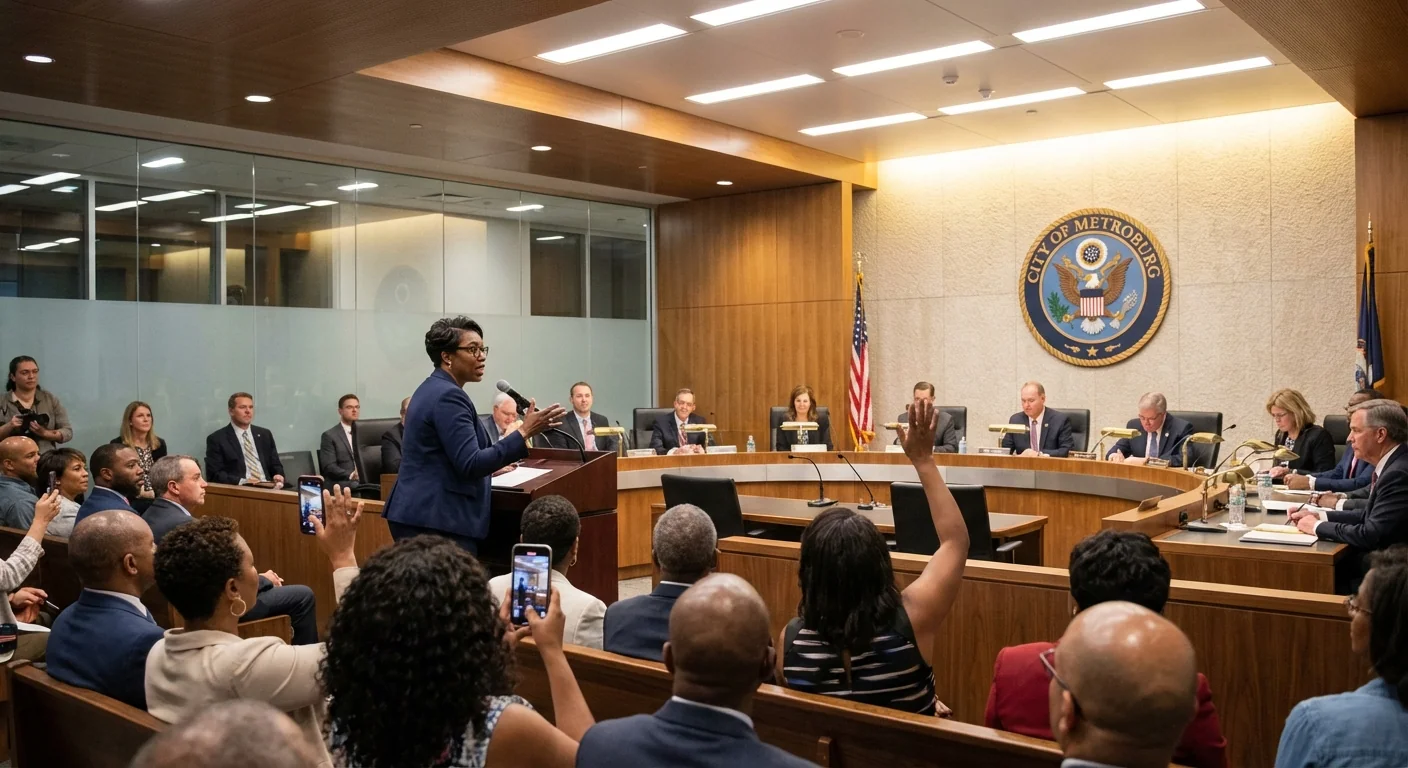
Her win is not just symbolism. Miami City Hall sets the tone on zoning, development, policing, and resilience. The mayor must still win over a majority on the five member City Commission. But the agenda starts in the mayor’s office, and tonight that agenda looks different.
Historic firsts, and a clear margin. Higgins is Miami’s first woman mayor, the first Democrat in decades, and she won with roughly 59 percent.
What A Higgins Agenda Means For Miami
Higgins ran on housing first. Expect a push for more mixed income housing near transit, faster permitting, and stricter rules on empty lots. State law blocks rent control, so she will likely lean on public land deals, housing bonds, and incentives for below market units. She has signaled support for stronger tenant protections within state limits, like fair notice and anti discrimination enforcement.
Transit will be a fight. The county runs Metrorail and Metromover. The city controls streets, bus lanes, and trolleys. Higgins backs bus priority corridors, safer crosswalks, and more shade on hot routes. Critics hammered her over a past idea to charge Metromover riders. Watch whether she drops any fee talk and focuses on reliability instead.
Small businesses will see permit reform on day one. That means shorter wait times, clearer rules, and a one stop shop for licenses. She also promises to steer city contracts toward local firms, and to protect legacy storefronts in changing corridors.
On climate, the stakes are obvious. Floods, rising seas, and crushing heat. Higgins says she will expand the Miami Forever resilience program, raise seawalls with equity in mind, and harden power and water systems. Expect more green infrastructure, like bioswales and cool pavement, and tighter building codes in flood zones.
The Partisan Ripples
Make no mistake, this is a shot of energy for Democrats in South Florida. Republicans had turned Miami-Dade red in recent cycles. Tonight, city voters chose a Democrat who ran directly at cost of living and climate. That is a message Democrats want to test across the region in 2026.
Republicans will not shrug this off. They will frame City Hall as out of touch on crime and spending. González’s loss, with Trump’s support behind him, is a warning light for the GOP’s urban strategy in Florida. The next moves from Tallahassee and the county will tell us whether Republicans try to box in the new mayor through preemption or budget pressure.
[IMAGE_2]
Early Tests And The Controversies
Higgins enters with goodwill and baggage. Critics point to ties with major developers and to votes that, they say, weakened independent transit oversight. They also hit her support for cashless bail as soft on crime. Miami’s mayor does not control the courts or the county jail, but she does shape the police budget and strategy. Expect her to pair community policing with data driven tactics to calm safety fears.
The fastest way to prove independence is radical transparency. Publish meeting logs with lobbyists. Post project dashboards, budgets, and change orders. Recuse when needed. Push campaign finance reform at the city level. These moves would buy room for bigger policy fights on housing and climate.
Transit and development will define her first year. Fees, fares, rezonings, and flood projects bring pain before benefits. Expect pushback.
What To Watch In Her First 100 Days
- A housing plan that sets unit targets, sites, and funding sources
- A street safety package with bus lanes, bike lanes, and heat relief
- A transparency order on lobbying, procurement, and disclosures
- A resilience budget that protects flood prone, low income blocks
- A clear stance on Metromover fees and fare policy
Miami’s mayor needs three votes on the City Commission. Watch who chairs committees and who gets early wins. Coalitions decide outcomes.

