

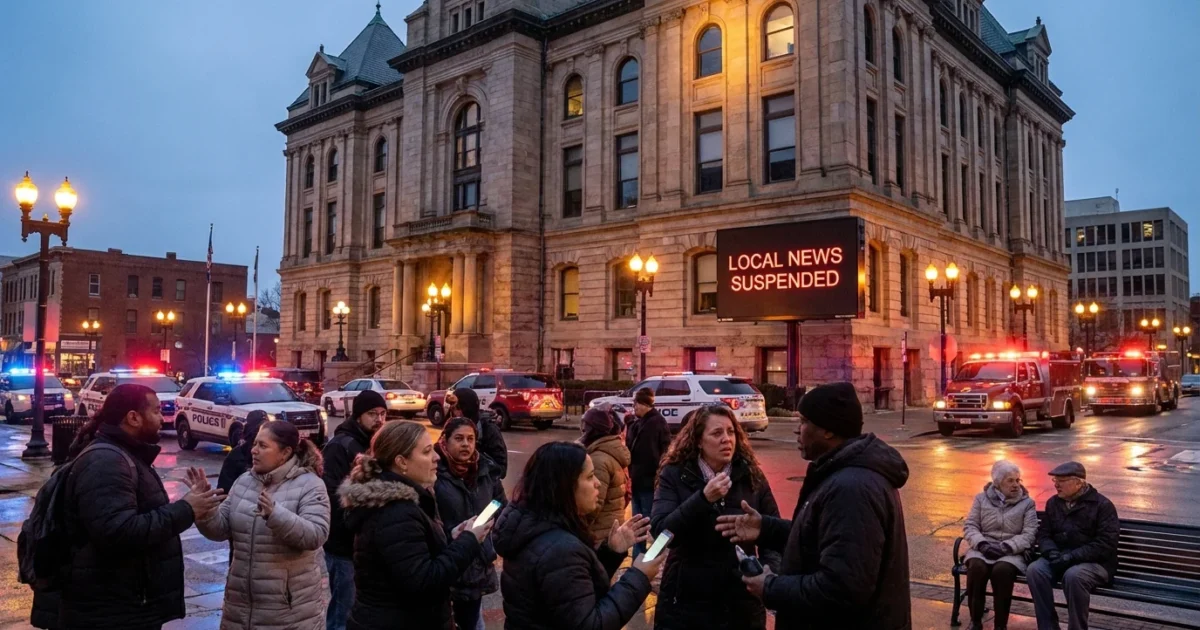
Cox just lit the fuse on three fronts at once. A looming fight over local TV carriage, a fresh push into outdoor brands, and new internet rate hikes are colliding in a way that will test regulators, rattle households, and reshape power in pay TV. The timing is no accident. The stakes are real, and the clock is fast.
The blackout clock is ticking
Cox Media Group and Verizon are in a hard stare down over retransmission consent, the fees paid to carry local stations. The deadline is December 15, 2025. If they fail to land a deal, Verizon Fios customers in key markets could wake up to black screens where WFXT in Boston and Rhode Island should be, where WPXI and PCNC serve Pittsburgh.
This is not abstract. Retrans fights decide who pays for local news, NFL games, weather alerts, and political ads. Carriers pass higher fees to viewers. Broadcasters say local journalism is expensive and valuable. Both are true, and neither side wants to blink first.
If no agreement is reached by December 15, Fios customers in affected markets could lose Cox-owned local channels.
Here is the political edge. Blackouts before big sports weekends and holiday travel create pressure, which often lands on city halls, state offices, and the FCC. Lawmakers hear from angry viewers. Regulators review complaints. When the public cannot access local news and emergency information, the policy stakes jump.

Policy and partisan fault lines
This fight sits inside two rules, must-carry and retransmission consent. Broadcasters can demand carriage at no fee or negotiate for cash. For years, Congress has debated reforms that would limit blackouts or push negotiations into binding arbitration. Democrats tend to push for stronger consumer protections and fee transparency. Republicans often defend property rights and market negotiation, while also criticizing surprise fees on bills.
Expect noise from state attorneys general if service lapses or if bill credits are denied. Expect pressure on the FCC if a blackout actually hits. The commission can shine a light, it cannot set the price, but a hearing can move public opinion and nudge both sides.
This also lands in the middle of merger talk. If Charter and Cox move toward a deal, federal reviewers at DOJ and the FCC will weigh bargaining power, broadband share, and local competition. Fewer, larger distributors can mean smoother bundles and fewer tech headaches. It can also mean tougher leverage against broadcasters, and higher downstream costs for customers. Conditions like arbitration, buildout commitments, and bill clarity will be on the table.
Cox’s new bet on the outdoors
On December 9, Cox Enterprises launched Cox Outdoors, rolling together recent buys like Loop Tackle and KUIU. The outdoor gear market is big, around 37 billion dollars by some estimates. This is a diversification play, and also a message play. These brands speak to conservation, access to public lands, and rural jobs, which are hot issues in statehouses and in Congress.
Do not miss the timing. While one Cox arm fights over carriage fees, another is building a consumer identity in a lifestyle space tied to land, water, and wildlife funding. That creates new allies, and new scrutiny. Conservation policy, excise taxes on gear, and public land rules will shape this bet. Lawmakers in western and southern states will take note.

What it means for your household
Verizon Fios customers in Boston and Pittsburgh should plan now. If talks fail, you still have options to keep local news and sports. Do not wait until game day.
- Try a simple indoor antenna to pull in the station over the air.
- Check whether the station’s news app or website streams newscasts.
- Ask Verizon for a blackout credit if channels go dark.
- Consider a short term live TV streaming service that carries your local station.
An indoor antenna near a window often solves local channel loss. Many cost under 30 dollars.
For Cox Internet users seeing higher monthly rates this month, review your plan. You can sometimes move to a different tier, or negotiate a promo. If service lapses during a dispute, log the outage and ask your provider for a credit.
If Charter and Cox tie up
A Charter and Cox deal would reorganize the field. On one hand, a larger distributor can bundle broadband, TV, and mobile with more scale, which can slow customer losses and maybe limit future blackouts through longer contracts. On the other hand, bigger buyers can squeeze local broadcasters, which can backfire if negotiations blow up. Regulators will test whether the merger reduces consumer choice in local markets, and whether any savings reach the bill you pay.
This is not a small call. It will help decide how much leverage sits with the pipes that deliver video, how many outlets carry local news, and how much pain reaches your monthly bill.
Conclusion
Cox is playing a high stakes game, seeking more revenue in TV carriage, new growth in outdoor gear, and higher broadband prices to fund its network. The next five days will show whether that bet pays off at the bargaining table, or whether viewers, voters, and regulators push back. The result will echo far beyond a single channel slot, into how Americans get their news, their sports, and a fair shake on their monthly bill.

