


War with Venezuela back on the table. The House just shut the door on restraint and left town. In a late vote, lawmakers rejected a measure to bar strikes inside Venezuela, then narrowly blocked other guardrails on boat and cross border action. The president now holds wide freedom to act. Congress chose to leave that power largely unchecked.
What just happened
The votes were close, and they were decisive. Efforts to limit the president’s authority failed on the floor. A proposal to prohibit strikes inside Venezuela fell first. Then attempts to restrict maritime or cross border operations were squeezed out as well. I watched members exit knowing this was their last chance before recess.
Republican leaders framed the issue as readiness and deterrence. Democrats called it a blank check. Neither side delivered a durable plan for oversight. The result, a legal gray zone with real world stakes.
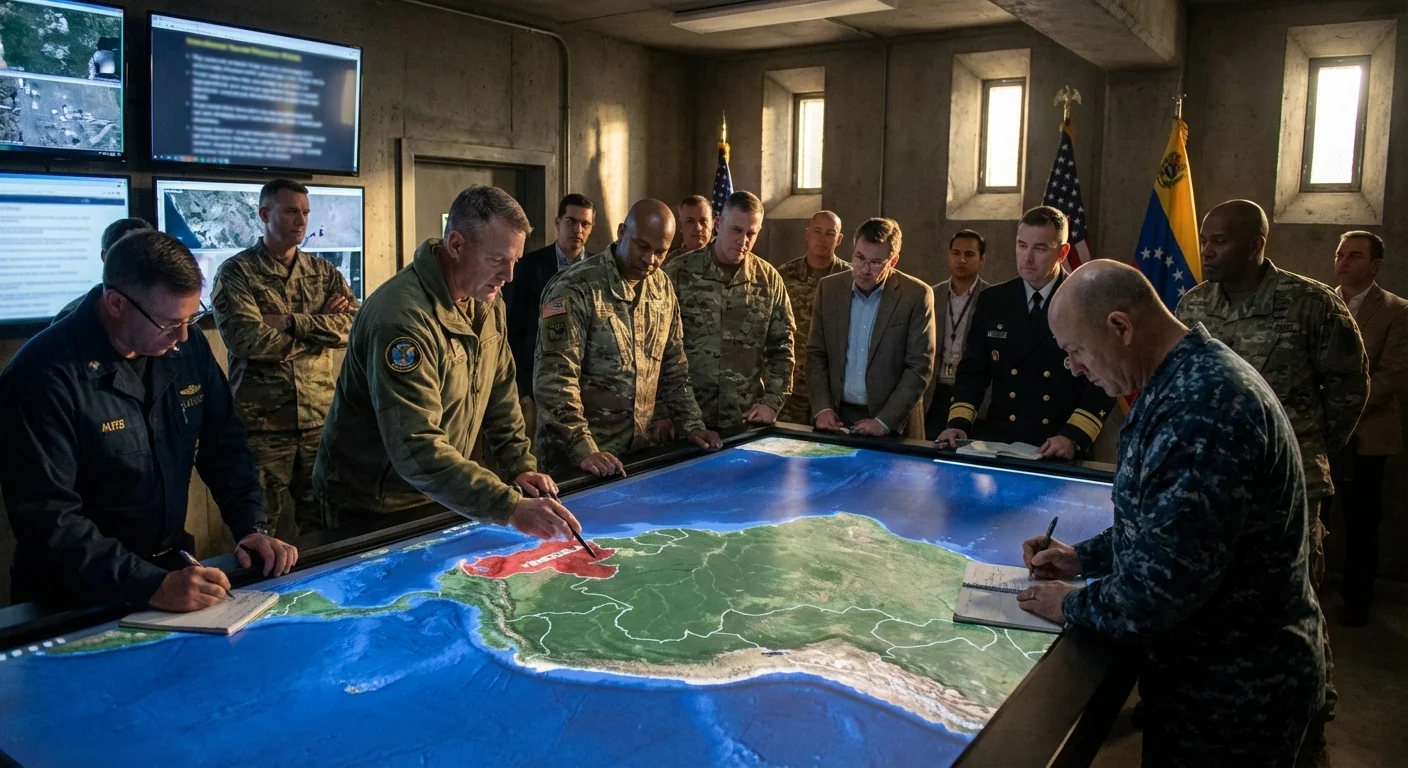
The Constitution gives Congress the power to declare war. The president commands the military, but Congress must set the mission.
The law and the limits of power
This is the classic fight over war powers. The War Powers Resolution requires notice to Congress when U.S. forces enter hostilities. It sets a clock for withdrawal if there is no explicit authorization. But presidents often argue that short, limited strikes do not trigger the full law. They cite self defense and narrow national interest. They say they are not in sustained hostilities.
Do old authorizations cover Venezuela. No, not clearly. The 2001 and 2002 authorizations were focused on terror groups and Iraq. Using them for Venezuela would stretch the text and the intent. That is where court fights and Office of Legal Counsel opinions often enter. None of that is fast. None of it is certain.
This is why Congress votes matter. A clear bar on strikes would have drawn a bright line. A new authorization could set targets, timelines, and reporting rules. Lawmakers chose neither path.
The politics behind the votes
Republicans closed ranks around presidential flexibility. They argue allies watch our resolve, and adversaries test it. Some libertarian Republicans objected, but they were outweighed. Democrats split between anti war voices and centrists who fear the politics of looking soft. A few members from Florida and Texas weighed diaspora views and border security. Leadership on both sides ducked a messy floor fight.
Here are the incentives I see at work:
- The White House wants options, not limits
- GOP leaders want unity and speed
- Democrats want accountability, but not blame for a crisis
- Swing district members want to avoid attack ads

The stakes for the region and civilians
Strikes inside Venezuela would hit a fragile region. The Maduro government would rally nationalist anger. Colombia and Guyana, already tense with Caracas, could face spillover. Oil markets would wobble, and border crossings could surge. Aid groups warn of displaced families in river towns and port cities. Rules of engagement matter here. So does a plan for the day after.
Targeting boats or river assets sounds narrow. It rarely stays that way. Rivers run through communities. Ports sit near neighborhoods. A single errant strike becomes a headline, then a cycle of response and retaliation.
Civilian harm and mission creep are the two fastest ways to turn a limited strike into a wider war.
What Congress can still do when it returns
Lawmakers gave up the cleanest tools this week. They still have leverage. If the White House moves, the clock starts and oversight must follow. Here is the order that would matter most:
- Demand a full legal and strategic report within 48 hours, then hold public hearings
- Move a binding authorization or prohibition with narrow scope and a hard sunset
- Use funding bills to block specific operations, platforms, or locations
- Require civilian casualty tracking and monthly briefings to the public
None of this precludes deterrence. It adds a plan and a limit.
Civic impact at home
Service members could see rapid deployments to the Caribbean. Families will worry, and communities will feel it. Venezuelan Americans will brace for calls and messages from loved ones. Cities near major ports may face protests and disinformation. Gas prices could jump on rumor alone. Schools and local officials should prepare for community briefings, not panic.
Clarity reduces fear. Local leaders should share verified updates early and often.

