

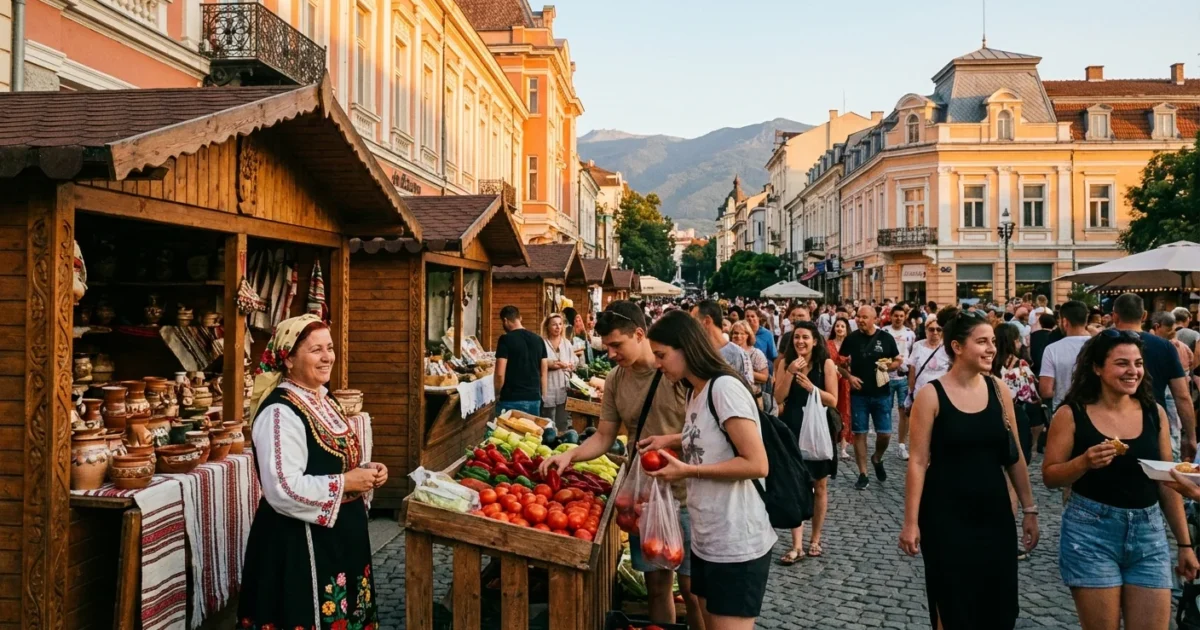
Bulgaria’s government just fell. Prime Minister Rosen Zhelyazkov resigned today after weeks of huge protests, and only days before the country is set to adopt the euro. The streets moved faster than parliament. The calendar is now the enemy, and the stakes are high.
What happened, and why it matters
Zhelyazkov stepped down moments before a no-confidence vote. He did not have the numbers. He did not have the streets either. Tens of thousands filled Sofia and other cities last night, led by students and young workers. Their message was clear. Scrap the 2026 budget plans, clean up corruption, and end rule by the same old networks.
The budget was the spark. It meant higher taxes and higher social contributions at a time of tight household budgets. But the deeper anger was about power and who benefits. Protesters named names, including Delyan Peevski, who is under US and UK sanctions, and the legacy of former prime minister Boyko Borissov. President Rumen Radev sided with the crowds. He called for a reset and early elections.
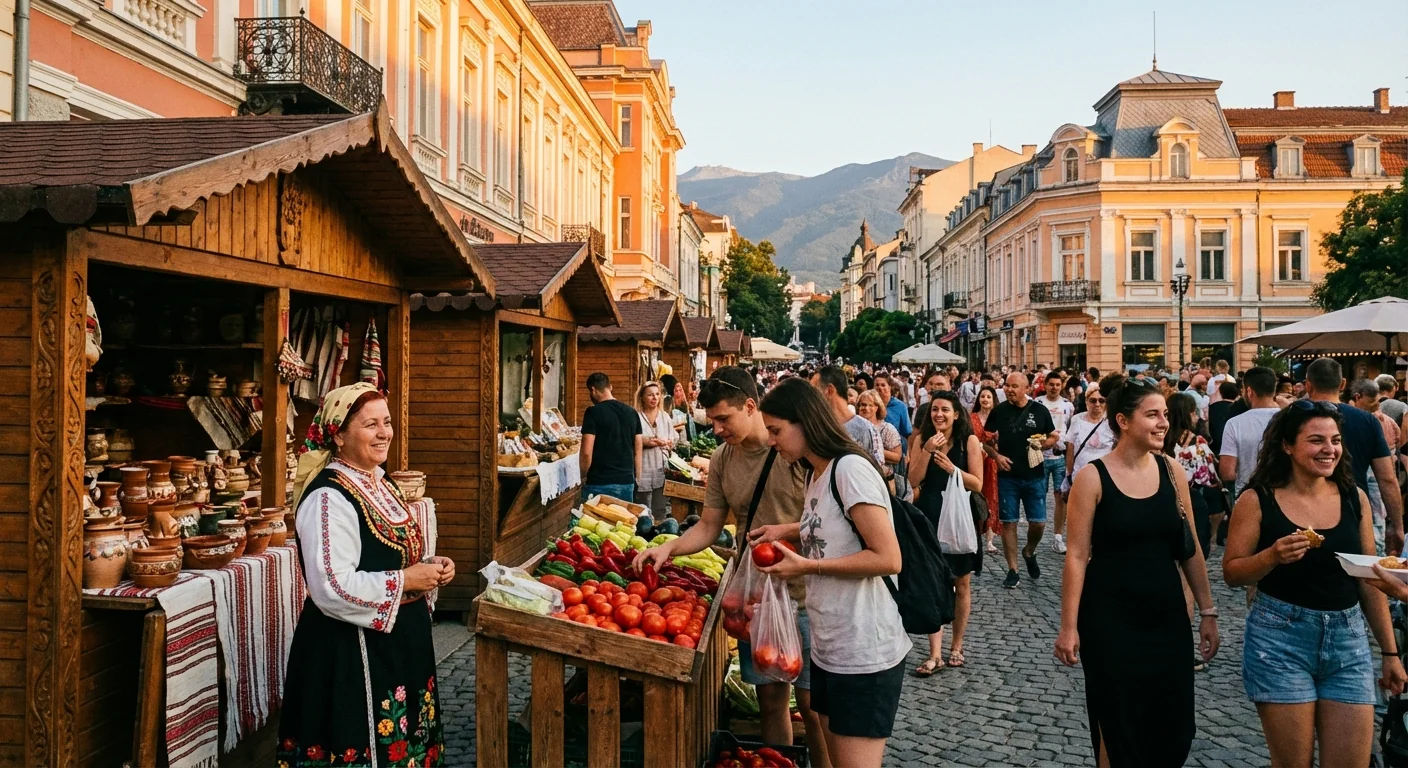
This is not a one-day shock. Bulgaria has held seven elections in four years. Another vote now looks certain in early 2026. That churn has dulled faith in parties. It has not dulled civic energy. Young Bulgarians have found a voice, and they used it to bring down a cabinet.
The euro clock is ticking
Here is the hard part. Bulgaria plans to join the euro on January 1, 2026. That is 20 days away. The technical work is advanced. Banks have converted systems. Shops show prices in both leva and euros. The state has stocked euro notes and coins. Yet politics can still rattle nerves and wallets.
Investors will test the country’s stability in the coming days. Any mixed signals could raise borrowing costs and pressure the currency board. The caretaker government that President Radev is expected to appoint must move fast, and speak clearly.
- Publish a simple, daily euro changeover checklist for citizens
- Guarantee strict price controls and penalties for gouging
- Protect vulnerable households from rounding abuses
- Keep all budget payments on time during the transition
Keep receipts, check dual prices, and report rounding tricks. Citizens are the best watchdogs during a currency switch.
The euro will not fix trust by itself. If people believe insiders will profit first, then the new currency becomes a new symbol of the same problem. That is the central risk now.
[IMAGE_2]
The partisan map after the fall
This collapse exposes the fault lines. GERB’s orbit, which includes figures tied to the old order, is on the defensive. DPS influence, personified by Peevski, is now a rallying target, not a source of cover. Reformist blocs see an opening, but they have struggled to hold coalitions together. The president holds the pen for the caretaker cabinet. He also holds the spotlight. That gives him leverage over the tone of the euro switch and the pace of reform.
A youth-driven shift
The protests were organized, peaceful, and very young. They focused on clean government and fair budgets, not ideology. That creates a clear test for parties. Can they offer credible anti-corruption plans, with dates and enforcement, not slogans. The first to do so can own the next election. The first to blink will lose this generation for years.
Policy and civic impact
The 2026 budget is already withdrawn. That leaves gaps. An interim spending plan is likely, or a short-term extension. Either way, essential payments must continue, from pensions to school funding. The caretaker team must also lock in euro safeguards. That means surprise price checks, clear fines, and a hotline that actually works.
The bigger prize is institutional. People want a new anti-corruption mandate, a stronger prosecutor’s office that is independent, and transparent public contracts. Those demands are not radical. They are basic. Meeting them would anchor the euro in public trust. Failing them would fuel another round of anger.
Expect price gouging attempts and disinformation during the changeover. Verify official guidance, and report abuses immediately.
What comes next
President Radev will move first, with caretaker appointments and a timeline. Early elections in the first quarter of 2026 are likely. The euro switch will proceed, if the interim cabinet is disciplined and visible. Markets will watch three signals, cabinet competence, price enforcement, and a credible path to a clean budget vote once a new parliament sits.
The streets have already cast a vote. They want accountability, not musical chairs. Parties that ignore that message do so at their peril.

