

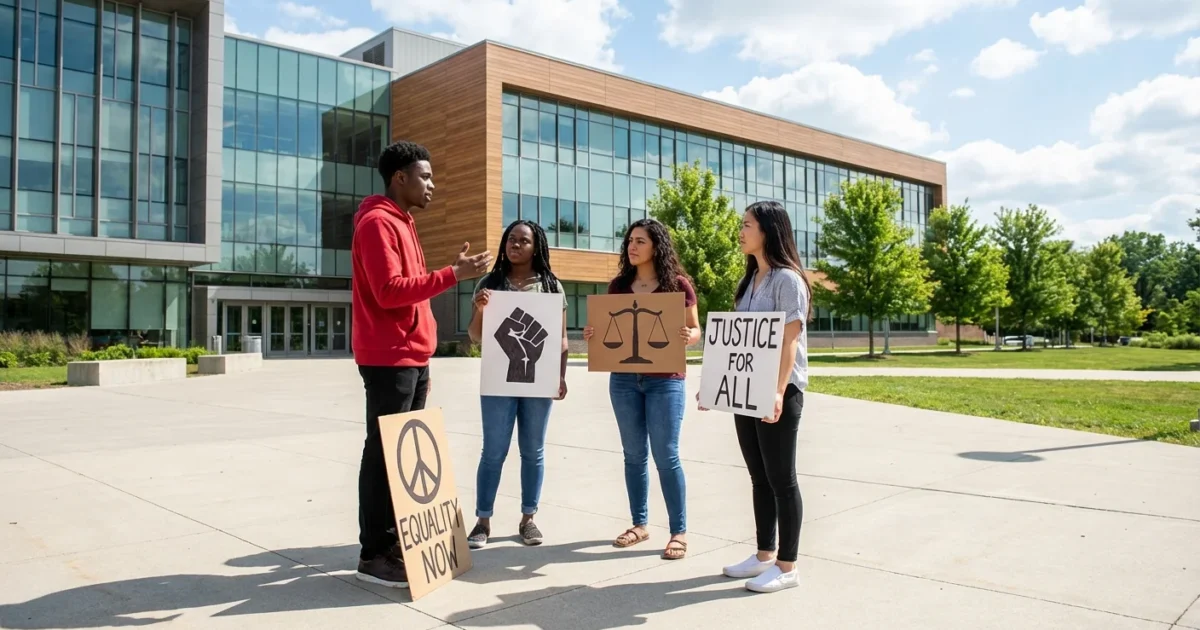
BREAKING: MLK Day becomes a blueprint, not a pause. Bernice King is pushing a sharper mission today. Study the philosophy. Practice nonviolence. Serve your community. Vote with purpose. She is turning remembrance into work, and the stakes are direct for policy, parties, and the 2026 map.
A Holiday Turns Into Homework
Across the country, people are marching and volunteering. That is standard. What is new is the call for structured study. Bernice King is urging young people to read, discuss, and train. Not just for a day, for a season. She is linking her father’s methods to the bitter fights shaping our ballots and our streets.
This is political, in the best meaning of that word. Nonviolence is not passive. It is a strategy that pressures lawmakers, moves budgets, and reshapes coalitions. King’s message lands in a year when school boards, statehouses, and Congress are all in motion. If students build habits now, they become organizers by summer and voters by fall. That turns a holiday into a pipeline.
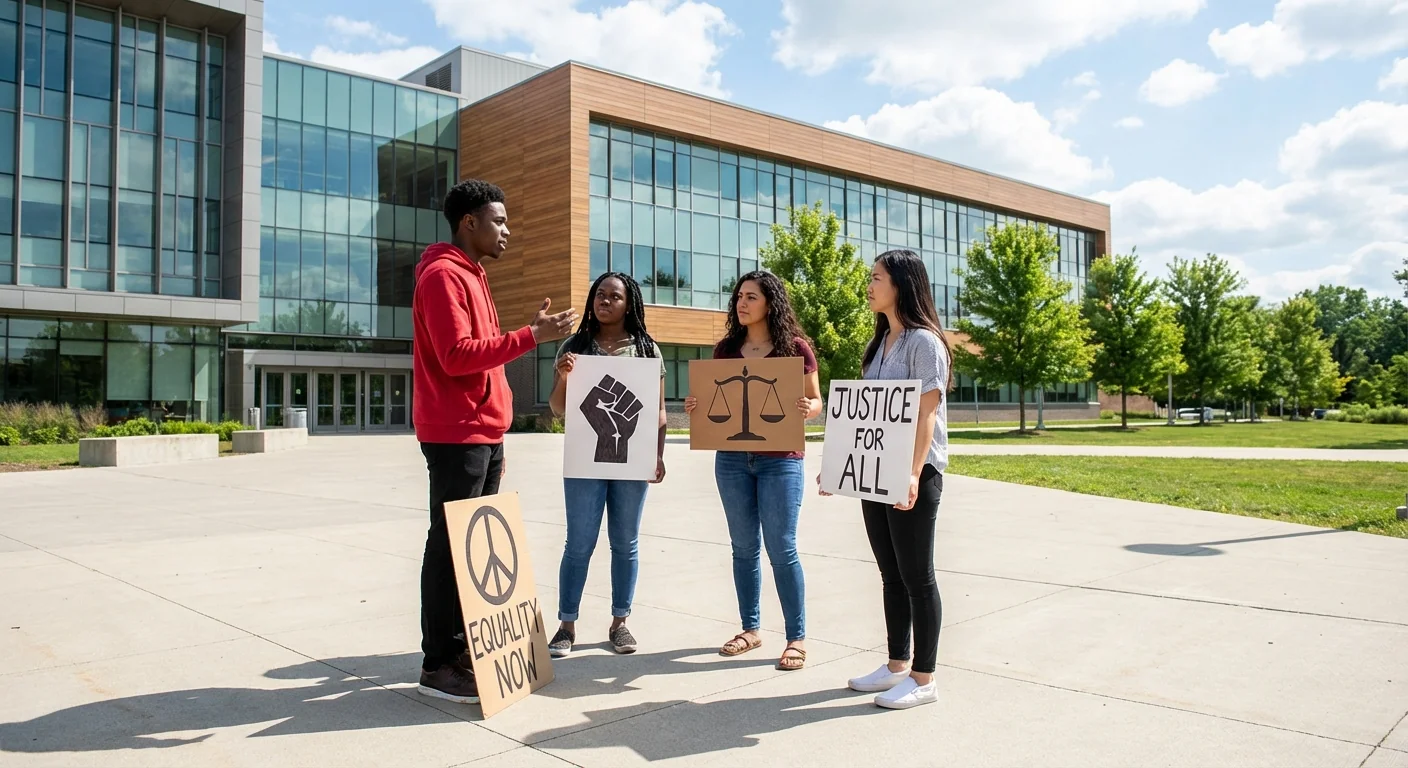
Voting rights is the hinge issue of the King legacy. How we cast, count, and certify votes will test nonviolence as a civic tool. 🗳️
The Policy Stakes
The King Center is steering attention to laws that decide who has a voice. That includes how history is taught and how protest is policed. It also includes the basic rules of elections. These are not abstract debates. They set the field for every race this year.
Here is where King’s push meets live policy:
- Voting rules, from registration windows to mail voting and early sites
- Redistricting fixes and independent maps that guard representation
- School curriculum standards on civil rights and civic literacy
- Public safety, protest permits, and use of force policies
- National service funding that supports youth-led work
Each item has direct budget lines and legal timelines. State legislatures are convening now. School boards adopt standards in spring. County officials recruit poll workers soon. King’s call meets those calendars head on.
Partisan Lines, and Openings
Democrats hear MLK and move fast to link the day to voting access. Expect fresh pushes for expanded early voting, campus polling, and automatic registration. You will also see proposals for civil rights education in state standards. The appeal is clear. Energize young voters, and tie values to policy.
Republicans are split. Some leaders stress unity, economic mobility, and public safety. They may promote service and mentorship, which fit the King legacy. Others resist curriculum directives and new voting rules. They argue for local control, fraud prevention, and discipline in classrooms and protests. Those debates will define many primaries and city races.
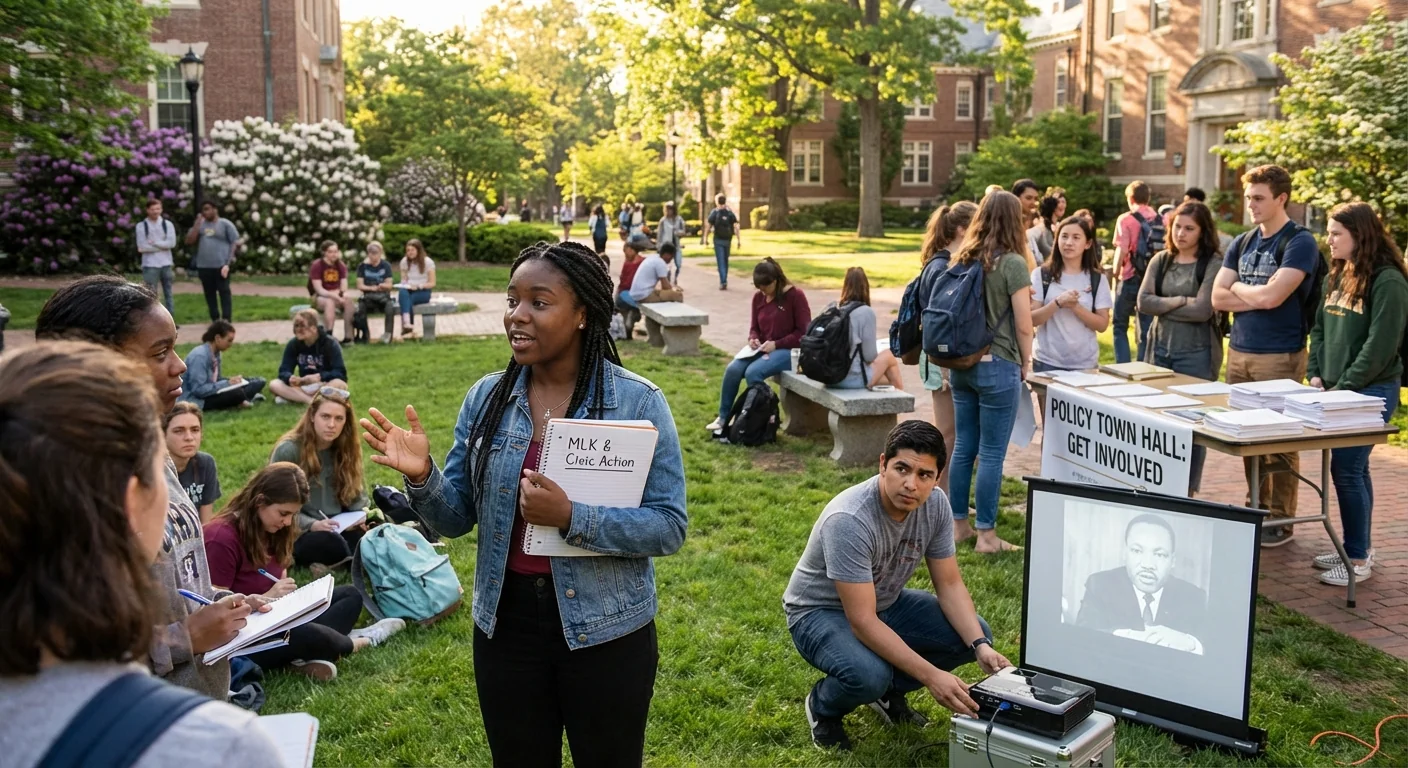
Both parties see the youth vote as a swing asset. That elevates King’s education push. If students study MLK’s methods, they also learn about deescalation and coalition building. That can cool rallies, but it can also sharpen turnout. Campaigns will adjust. You will see more civic workshops on campuses and more policy town halls aimed at first time voters.
Civic Impact, Beyond Speeches
Service alone will not pass a bill. But service knits communities that can pass bills. Food banks, street cleanups, court watching, and poll worker training create durable networks. King is connecting those dots in simple language. Start with a shift in your block, then move up to your city council, then push your state.
Police community relations sit in the balance. Nonviolence training can reduce the risk at rallies. Clear rules on permits and deescalation help both sides. City leaders who invest in joint training can lower legal costs and build trust. That is a policy choice, and it is measurable.
Schools are a second front. Districts that add primary source reading on civil rights tend to see higher civic test scores. They also see more student participation in local meetings. That talent feeds election boards, neighborhood councils, and campaigns. Bernice King is right to press for study. Books and ballots are linked. 📚
Turn MLK Day into a 90 day plan. Pick one issue, one training, and one election to act on. Tell a friend, then hold each other to it.
What To Watch Next
The first signal will come from state capitols. Do legislative leaders expand or restrict ballot access. Do they protect protest rights while setting clear rules. Do school boards adopt richer civil rights units. These are yes or no decisions, with deadlines.
Watch city budgets. Are there funds for youth service, mediation, and nonviolence training. Are election offices getting staffing for campus sites. Small line items can shift outcomes in close races.
Finally, watch the tone of our politics. If King’s reframing takes hold, rallies look different by spring. You will see more trained marshals, more issue literacy, and fewer flashpoint clashes. That sets a better stage for hard debates on taxes, safety, and schools.
Conclusion: MLK Day is not a pause in the fight. It is the launch pad. Bernice King is handing the country a plan, study, serve, and vote. The policy paths are open right now, and the partisan math is not fixed. If young people step in with skill and calm, they will write the next chapter of the movement, and the next set of laws.

