


BREAKING: Albuquerque’s mayoral runoff is a nail-biter. With ballots still being counted, the city’s choice between change and continuity is razor thin. I am tracking the count as the first and second waves of results post. The early vote is massive. The late Election Day vote is decisive. Albuquerque’s direction is on the line tonight.

Where the count stands
Polls closed at 7 p.m. Voters in line at that time were allowed to cast a ballot. The county began releasing early vote totals first, followed by Election Day precincts. The margin is tight. Neither camp is claiming victory. I am not projecting a winner yet.
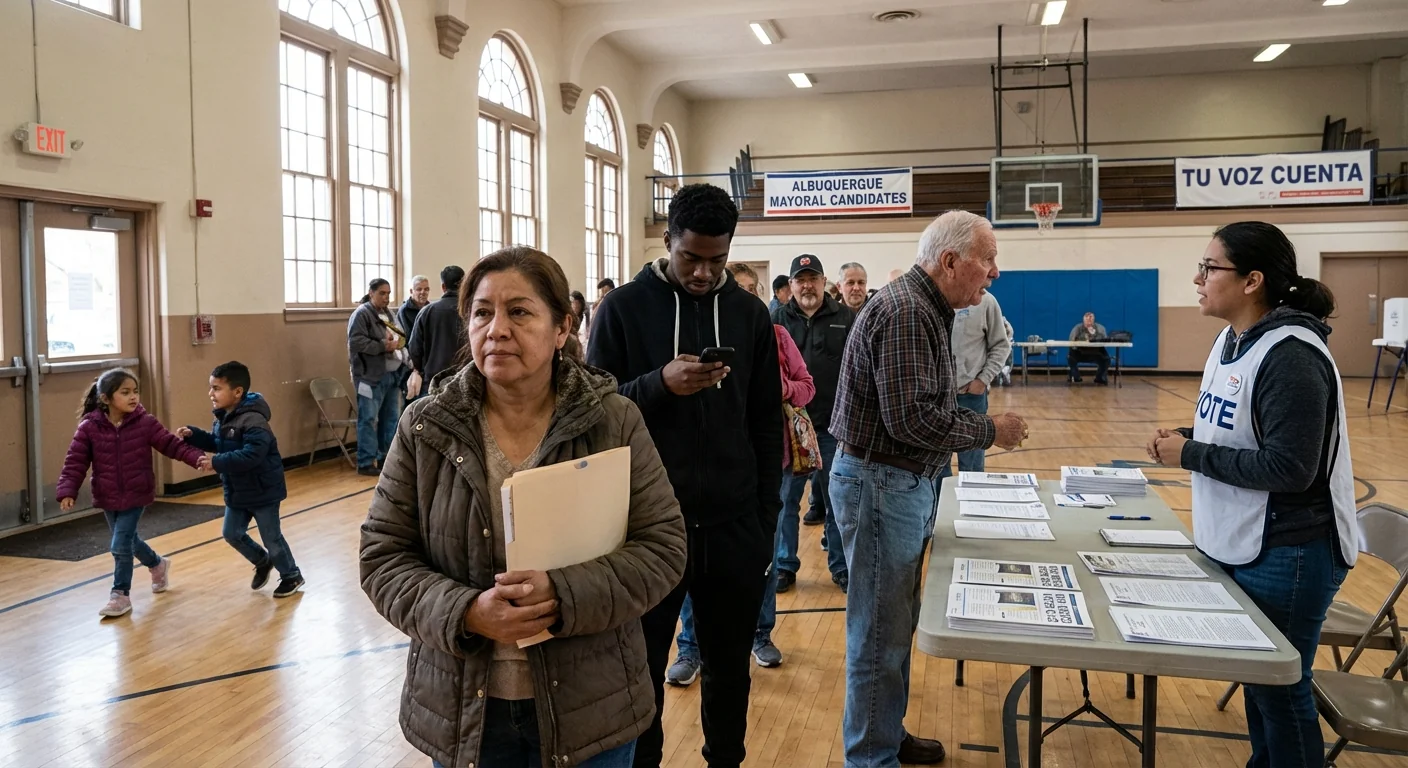
Turnout is high for a municipal runoff. More than 82,000 people voted early, which is a jump from the last cycle. That surge came after a busy November, when about 134,000 ballots were cast and no one cleared 50 percent. Tim Keller finished first with about 36 percent. Darren White followed with about 31 percent. The runoff is a fresh test. The pool of voters who opposed the incumbent in November is large. The question is whether White can consolidate them, or if Keller can rebuild a broader coalition.
Do not overread the first batch. Early votes tend to land as one block. Late precincts can swing the margin by thousands.
Change vs. continuity
This race is a referendum. Keller asks voters to stay the course, to back a third term focused on public safety, homelessness, and economic growth. He entered the runoff with a cash edge, helped by public financing and allied support. That money bought time on TV and digital, plus field staff to chase ballots.
White pitches a reset. He points to frustration with crime and city services. A midyear poll captured a sour mood, with most voters unhappy with the city’s direction. White’s path is simple to explain and hard to execute. He must unite independents, Republicans, and Democrats who want change, then hold them through Election Day.
What the result will mean for policy
Voters are not just choosing a mayor. They are choosing a plan for the next four years.
-
A Keller win would signal patience with gradual change. Expect continued investment in violence intervention, homeless services, and housing production. Look for climate and transit projects to stay on track, along with police hiring goals and oversight debates that have defined recent years.
-
A White win would bring a sharper turn to law and order. Expect a push for more uniformed officers, tougher enforcement on encampments, and a reset of City Hall priorities toward core services. Budget choices would shift, testing the council’s appetite for new spending and cuts.
Either outcome will shape APD staffing, shelter strategy, land use, and how the city spends federal dollars still in the pipeline. It will also influence regional cooperation on crime and housing, since the mayor often drives those talks.
Official results will be certified after the canvass. Provisional and late-arriving eligible ballots will be included. Do not expect a formal finish tonight if the margin stays tight.
Turnout and the civic ripple effect
The sheer size of the electorate matters. It boosts the winner’s mandate, which matters in a city with tight budgets and big needs. Heavy participation also raises the stakes for the two City Council runoffs on the Westside and Southwest Mesa. Those seats will decide whether the next mayor faces a friendly, split, or hostile council.
High turnout cuts both ways. It can lift an incumbent with stronger organization. It can also amplify a change wave if late deciders break hard. The early voting window, from Dec. 1 to Dec. 6, offered long hours that brought in busy voters who often skip runoffs. That is part of tonight’s story.
What I am watching next
Late-counted precincts on the Westside and in the Heights could prove pivotal. So could provisional ballots if the margin lands within a whisper. Watch the shift from the all-early batch to the mixed Election Day returns. That swing will tell us which message connected in the end.
If the margin is within recount range under city rules, expect campaigns to lawyer up, monitor adjudication, and prepare for a longer fight.

