

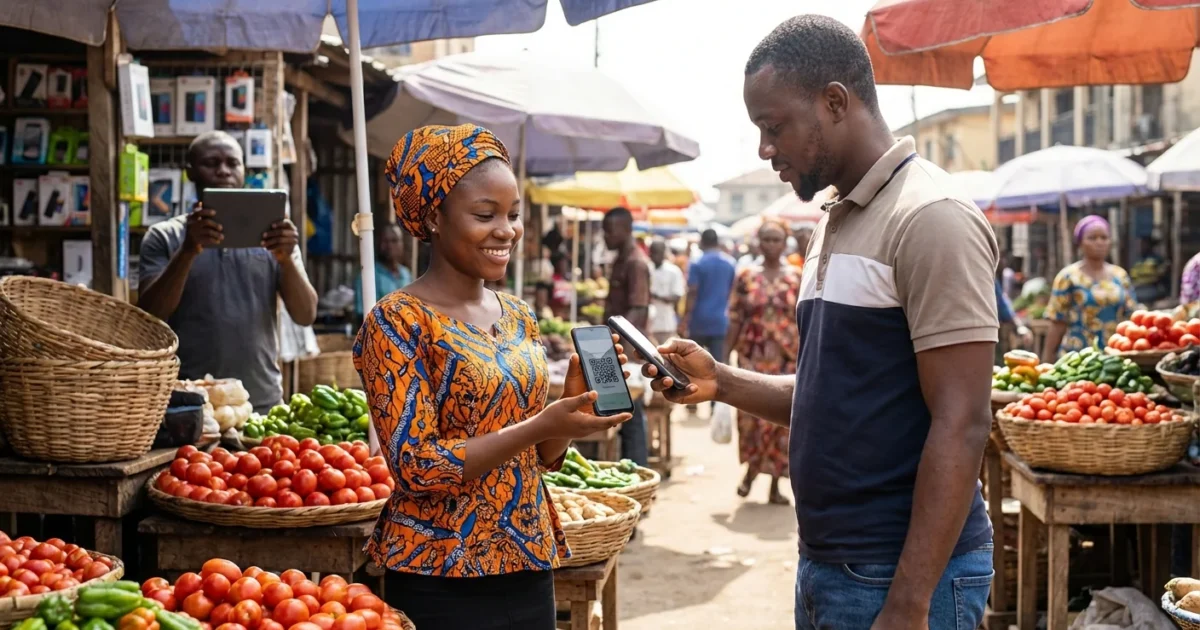
BREAKING: Africa hits an inflection point, mixing hard gains with hard risks
Africa’s political weather changed today. I can confirm a set of moves and crises that, together, reset the continent’s near-term outlook. South Africa’s lower inflation path, a surge in homegrown capital, and new digital rails are lifting confidence. At the same time, a worsening cholera emergency in the DRC and a fresh regional security alert in West Africa raise the stakes. Investors, voters, and leaders now face a simple test. Can policy keep the gains ahead of the shocks?
Africa’s economic sovereignty is rising while governance and security pressures intensify. The balance struck in the next year will shape the next decade.
A new financial footing
South Africa’s signal is clear. After the finance minister set a tighter 3 percent inflation target, expectations fell. Business and labor groups now see inflation near 3.8 percent in 2026. That shift boosts central bank credibility. It also reopens debates on wage deals, rate cuts, and the budget ceiling. The ruling coalition will claim discipline. The opposition will say the cost of living is still biting. Both are right, but the policy path now points to steadier prices.
Across the continent, the money base is changing. African sovereign wealth pools and similar funds are closing in on one trillion dollars in assets. That is not just a number. It means more local capital for roads, power, and tech. It means less dependence on volatile foreign cash. Expect finance committees to push for clearer governance, tougher transparency, and domestic procurement rules that reward local content.
Digital finance is the other gear that just clicked in. Five new instant payment systems since 2024 have brought 25 countries online. Nigeria now stands as the first fully inclusive market. Real-time transfers cut costs for small firms and city vendors. They also widen the tax net, curb graft, and improve social grant delivery. Parties that back this expansion will look modern and pro-youth. Those that fight it risk looking out of touch.
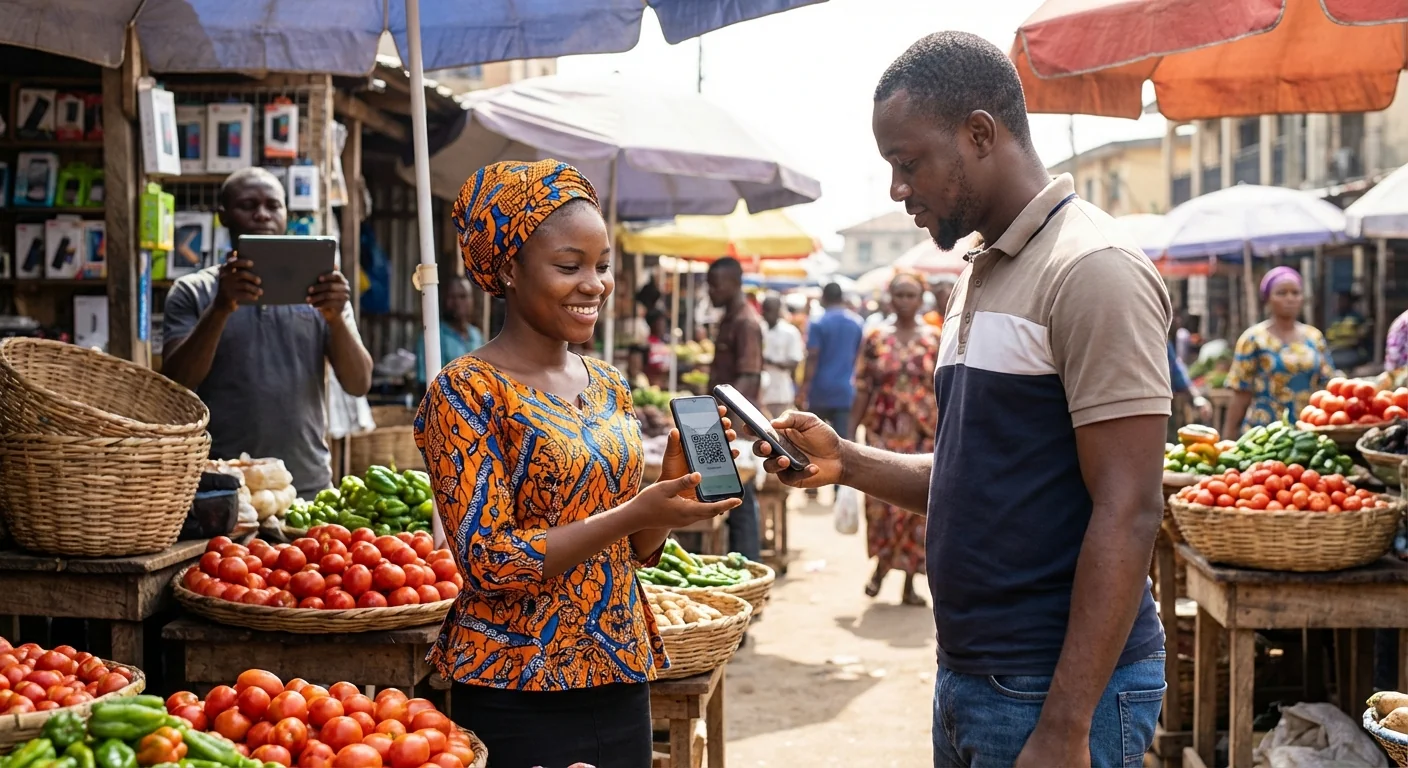
Watch how digital payments link to ID systems and tax reform. That link will decide who benefits most from the new rails.
Power politics, from Addis to Abuja
Ethiopia is pressing big ambitions. The Grand Ethiopian Renaissance Dam is complete. Plans for a huge new airport and a possible nuclear plant are on the table. Addis Ababa also wants better access to the Red Sea. Neighbors are uneasy. The message to diplomats is simple. De-escalation channels must run hot, or trade and food routes will suffer. Opposition voices in nearby states will use these fears to hit incumbents as “soft” on security.
In West Africa, ECOWAS has declared a regional emergency after a string of coups, including turmoil in Benin and Guinea-Bissau. Nigeria’s military moved fast at the border. The bloc’s leaders must now choose a line that is firm, but not reckless. Sanctions and border closures are blunt tools. They hurt traders and voters first. Expect civil society to demand targeted steps, clearer timelines, and a hard floor under election rules.
South Africa’s G20 chair year set a template for Global South bargaining. Climate finance and debt relief moved up the list. That frame will echo in continental debates, from subsidy choices to green power auctions. Parties will split on pace and cost. But center and left blocs alike now accept the climate math, because the grid and water stress make it real at home.
Health and civic strain
The Democratic Republic of Congo faces its deadliest cholera outbreak in 25 years. More than 64,000 cases and nearly 1,900 deaths have been recorded this year. Children are among the victims. Floods, conflict, and weak sanitation drive the spread. This is not only a health story. It is a governance test. Parliamentarians in Kinshasa, Kigali, and Lusaka must coordinate water, border health checks, and aid corridors. The ballot will judge results, not speeches. ⚠️
South Africa also reels from a mass shooting in Saulsville that killed 12 people, including three children. Crime and illegal guns remain a core election issue. Expect tougher bail proposals, firearm audits, and pressure on police oversight. Communities want action they can see.
Health and security shocks travel faster than capital. If they outrun reform, they will undercut growth and trust in institutions.
What it means for voters and markets
Here is the bottom line for policy and politics:
- Cheaper money is possible, but only if inflation cred stays high
- SWFs and pension funds will fund more local projects, if rules are clear
- Instant payments will expand the tax base and social support reach
- Regional security choices will hit food prices and border trade
Parties that connect these dots will set the agenda. Civil society will push for transparency on each step. Markets will reward clarity over hype.

