


BREAKING: AfD’s new youth wing sparks mass protests, injuries, and a fresh political firewall
What just happened in Gießen
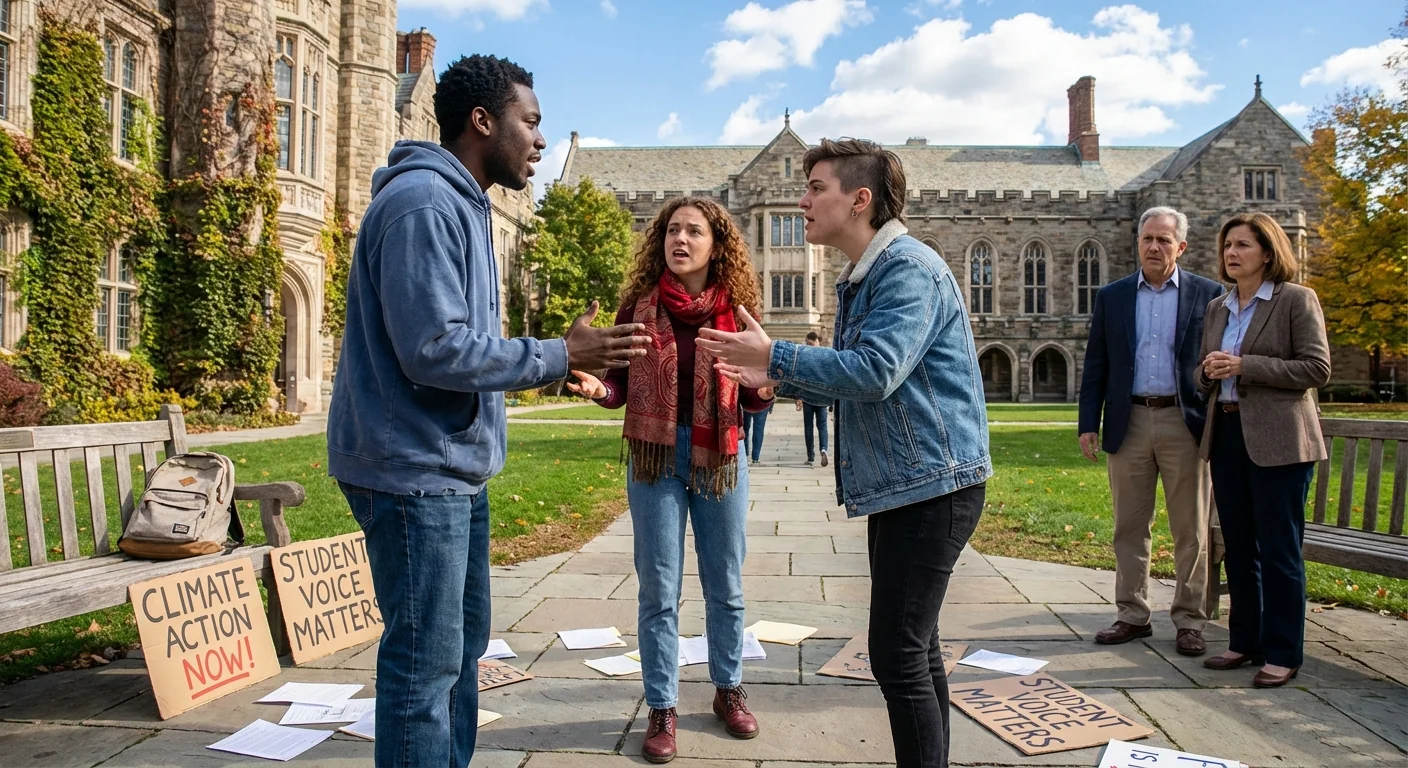
I can confirm that the AfD launched a new youth organization called Generation Germany in Gießen. The founding event triggered a citywide response. Around 25,000 people gathered in protest. Most marched peacefully. Clashes broke out at several bottlenecks. Police reported more than 50 officers injured.
The flashpoint came inside the hall. Alexander Eichwald, who uses the name Alex Oak, delivered a charged speech. His words and gestures echoed the darkest chapters of Germany’s past. That staging shocked even some inside the party. He pulled about 12 percent in the youth vote, a meaningful bloc on day one. Senior AfD figures now signal they may exclude him.
This moment is not just a party story. It is about the country’s red lines, and who gets to draw them.

AfD’s bid for youth power, and why it matters
The AfD wants to anchor a new generation inside the party. That is the strategic target. A youth structure builds cadres, fills campaign rosters, and shapes local councils. It also normalizes the brand in schools, universities, and apprenticeships.
But the launch collided with a heavy political context. The AfD took 20.8 percent in the federal election in February. In May, the domestic intelligence service labeled the party a confirmed right wing extremist endeavor. That allows wider surveillance. Every step the party takes now lands inside a legal and moral frame.
Mainstream leaders moved fast. CSU chief Markus Söder ruled out any cooperation again. No deals in committees. No shared majorities on floor votes. No open doors in the Länder. That line is now hardened, and the protests add steel to it.
The AfD’s youth push is meant to normalize. The result today is the opposite, deeper political isolation.
Policy stakes, from parliament to the courts
In the Bundestag, the AfD will feel the chill. Committee chairs, rapporteur roles, and legislative co authorship depend on trust. Partners will be even more cautious after Gießen. Policy areas like migration, internal security, and education will become sharper battlegrounds. Expect tighter floor management and fewer ad hoc alliances.
At the state level, coalition math gets tougher. In East German states where AfD is strong, mainstream parties will work harder to form complex coalitions. That means broader alliances and slower policy moves. It also means more fragile governments, with higher stakes votes on budgets and police powers.
The legal track is just as hot. The extremist label opens the door to continued monitoring. Campaign finance and network ties will get close review. Talk of a party ban will grow, but the hurdles are high. The Constitutional Court demands clear proof of anti democratic intent and active efforts to undermine the free order. A failed ban could backfire, and fuel the AfD’s grievance narrative.
Push too hard on bans, and you risk martyrdom politics. Push too little, and you risk drift into radicalization.
Civic impact, and the risk of escalation
The streets sent a clear message today. Massive, peaceful resistance remains the civic default. Yet the injuries show how quickly a tense scene can tip. Police unions will now press for stronger protest planning, clearer zones, and better gear. Cities will rework how they manage high risk party events.
Youth is the new front line. Schools and universities will face sharper debates on political access, room bookings, and codes of conduct. Foundations and civic groups will scale up counter extremism outreach. Parents will ask tougher questions about where parties recruit and whom they platform.
For many Germans, Eichwald’s performance crossed a bright red line. The AfD says it wants discipline. If the party fails to police its own stagecraft, the state will step in faster. Surveillance will deepen. Donations will face scrutiny. Public broadcasters will raise the bar for appearances.
- Immediate effects to watch:
- Stricter parliamentary cordons around AfD initiatives
- New protest rules in host cities
- Internal AfD moves to sideline Eichwald and similar figures
- Legal reviews tied to the extremist designation
Conclusion
The AfD tried to launch a normal youth wing. It triggered a national stress test. The party’s push for generational roots met a wall of civic resistance, a unified political firewall, and sharper legal scrutiny. Normalization has turned into isolation. What the AfD does next, whom it elevates or removes, will decide whether this moment cools or becomes the start of a deeper reckoning.

