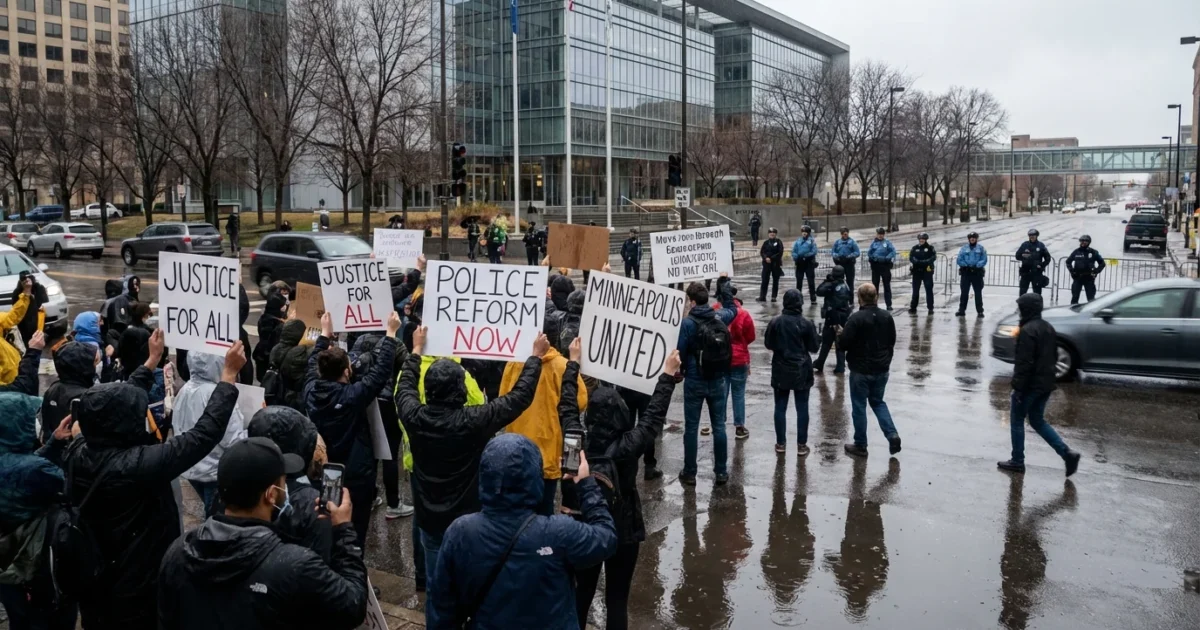
Breaking: Rapid-fire videos are driving policy decisions in real time. Footage of a recent U.S. shooting and marches in Minneapolis is reaching lawmakers before full facts are in. I am seeing leaders shape responses around what they see on screen, not what investigators have confirmed. That shift has serious legal stakes for evidence, public safety, and your rights.
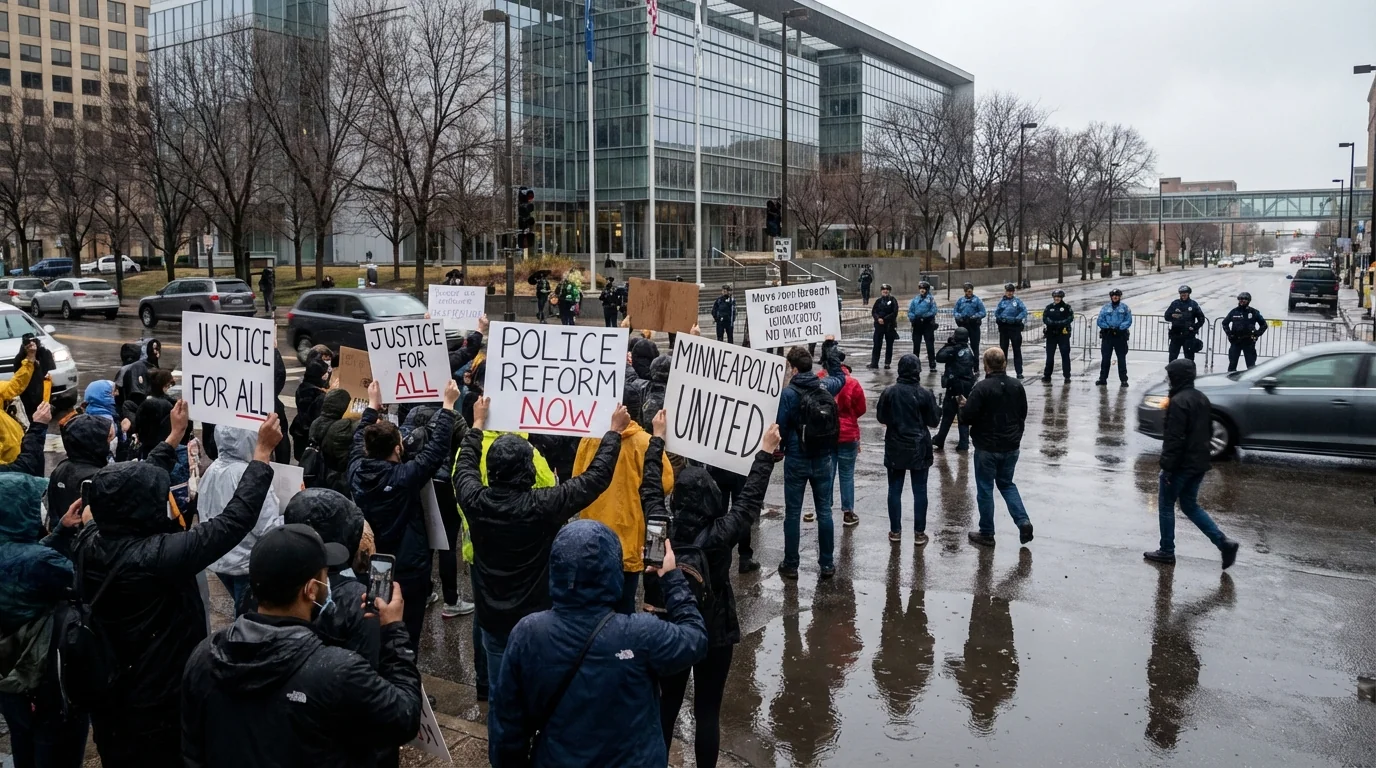
What is happening on your screen
Clips from the shooting and the anti-ICE protests are circulating at unusual speed. Elected officials are reacting within minutes. Republicans are split on tone and policy. Some call for tougher enforcement. Others urge patience. The former president blames opponents. The Minnesota governor is pressing the White House to pull ICE agents from the state as crowds grow in Minneapolis.
The screen is now the stage. Videos are setting the agenda for press briefings, talking points, and emergency meetings. That creates a race between public outrage and due process. It also puts platforms under heavy pressure to act fast on removals and labels.
When video drives policy, timing matters. Quick action can save lives. It can also damage cases if facts are wrong.
The legal stakes of fast footage
A clip can be powerful evidence, or it can be prejudicial noise. Courts care about authentication, chain of custody, and context. A video that jumps from one account to another can break that chain. Heavy edits can mislead juries. Time stamps and metadata become key.
Prosecutors and defense lawyers will fight over whether a clip shows what it claims. Police will seek copies and may serve warrants on platforms. Judges may issue gag orders to protect a fair trial. Expect motions to exclude clips that spread before full context is known.
For protesters, the law is more settled. In most public spaces, you have a First Amendment right to record government officials on duty. That includes police, as long as you do not interfere. Officers can set reasonable limits for safety. They cannot order you to delete lawful footage. They need a warrant to access your locked phone in most cases.
Say calmly, “I am recording and not interfering.” Keep a safe distance. Ask, “Am I free to leave?” If yes, walk away.
Platforms under the microscope
Companies that host these videos are not neutral bystanders today. They face takedown demands, law enforcement requests, and user reports all at once. Their choices have legal consequences. If they leave up graphic content, they risk claims of harm. If they remove too much, they face claims of censorship. They are also fielding rapid requests for user data.
Here is what to watch:
- Will platforms label or slow the spread of clips without verified context
- How fast will they respond to emergency law enforcement requests
- Will they preserve evidence for courts while protecting user privacy
- How will they handle deepfakes or edited clips that change meaning
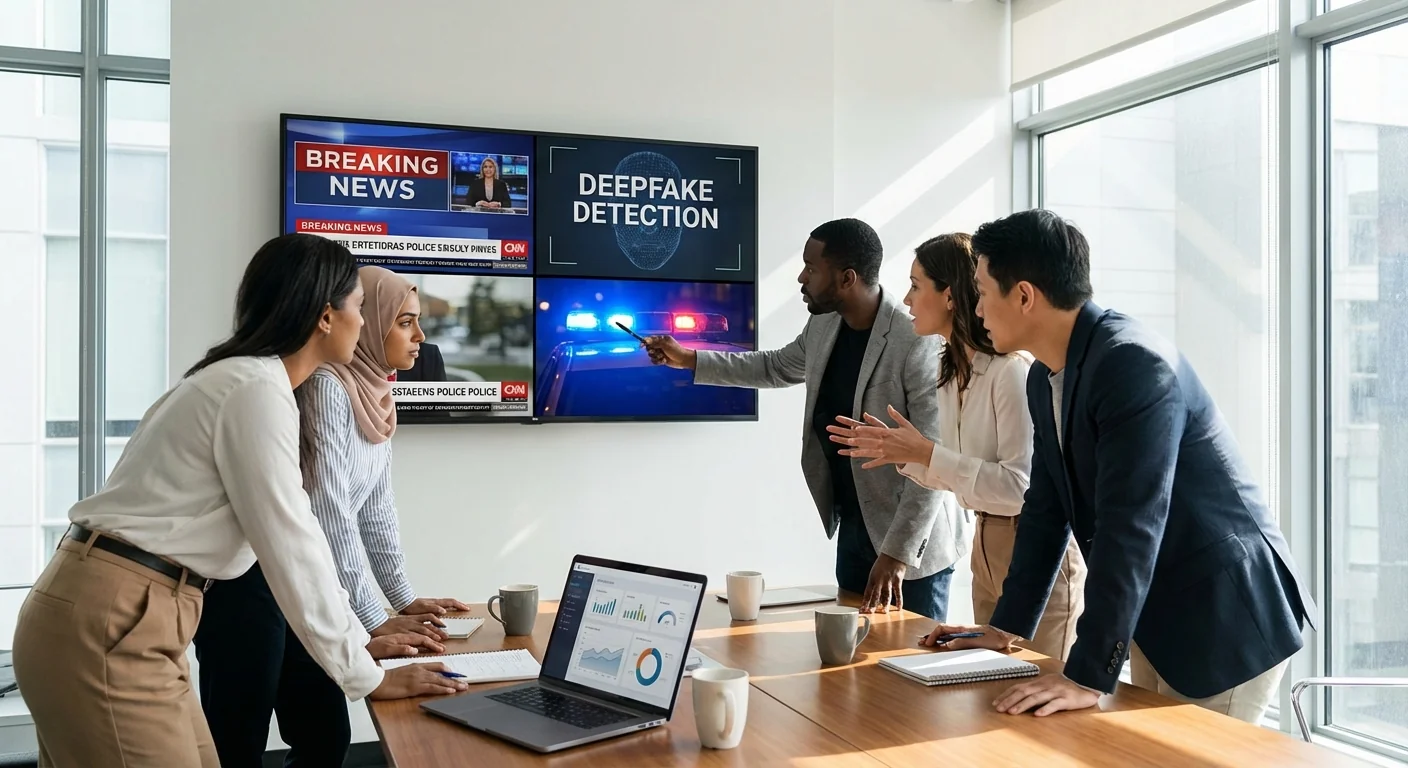
Sharing a misleading clip can cause real harm. It can also expose you to civil claims if you defame a private person.
Government pressure and your rights
Officials are moving fast. Public statements are out ahead of investigative files. Some leaders want federal action tied to what the clips appear to show. Others are calling for restraint. Behind the scenes, agencies are drafting guidance on video verification, evidence holds, and crowd control.
Citizens should expect:
- More police requests for geofenced video and livestream data
- Emergency curfews that cite public safety shown in footage
- Temporary buffer zones around active scenes
- Expanded evidence preservation orders on platforms
Know your limits and your protections. You can record in public. You can publish your recordings. Police cannot make you unlock your phone without a warrant, with narrow exceptions at the border or in true emergencies. If an officer orders you to move, ask for the legal basis and comply with clear, lawful orders. Document the interaction.
What to do right now
If you are filming, stabilize your shot and narrate time and place. Do not edit out context that matters. Back up your files to a secure service. If you post, add clear captions about what you saw and what you did not see. If asked by a lawyer or court, keep the original file and avoid filters.
If you are a public official or staffer, slow down and verify. Cross-check with dispatch logs, body camera policies, and eyewitness reports. Demand chain of custody from any clip you cite.
Conclusion
In this moment, videos are steering the ship. They are pulling leaders toward quick calls on policing, immigration, and public safety. They are also testing our legal system’s guardrails. The answer is not to look away. It is to watch with care, document with integrity, and act within the law. The camera is powerful. Use it wisely, and insist that government does the same.