Gregory Bovino is back in the legal spotlight. A murder for hire case tied to his name just shifted in a key way. At the same time, a federal court is still policing his heavy handed immigration tactics in Chicago. The result is a rare collision of criminal law, public policy, and citizen rights.
The Ruling That Shaped the Chicago Trial
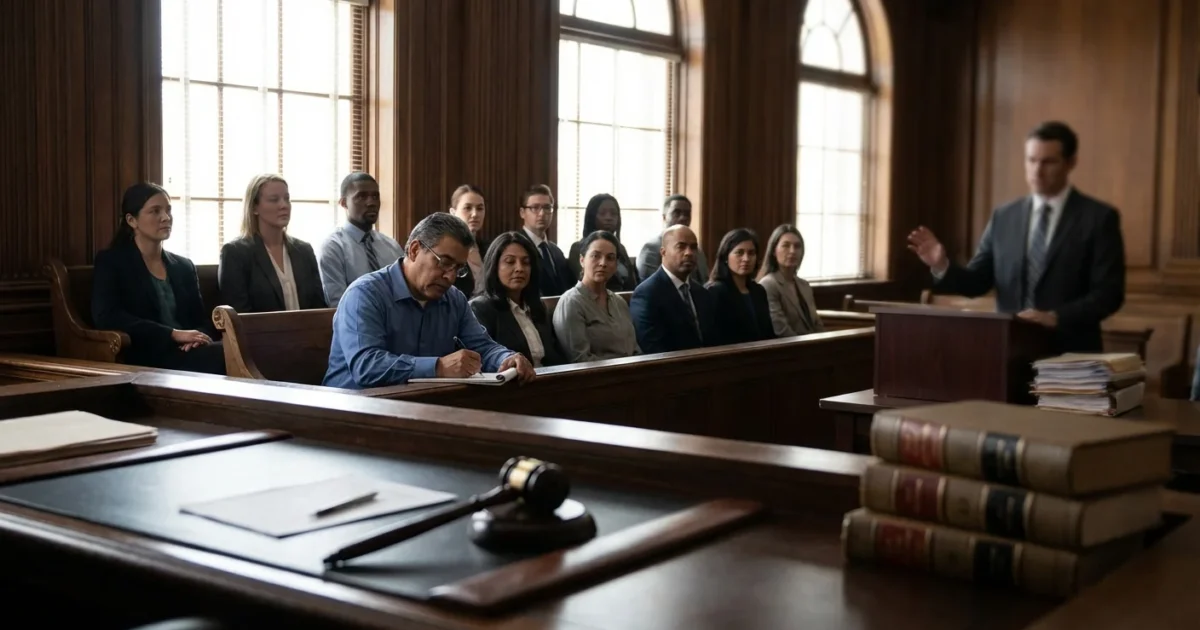
Today in Chicago, a federal judge drew a hard line. Prosecutors in the murder for hire case linked to Bovino cannot show alleged gang ties to the jury. The ban matters. The government says Juan Espinoza Martinez used Snapchat to offer ten thousand dollars to have Bovino killed. But the court said gang claims risk unfair bias. The case will now rise or fall on the messages, the photo of Bovino, and proof of intent.
This is not a technical footnote. It goes to the heart of a fair trial. Courts often cut evidence that heats up passions but does not prove the core facts. That is what happened here. The jury will hear about the alleged offer. They will not hear about a Latin Kings label that the court found too thin.
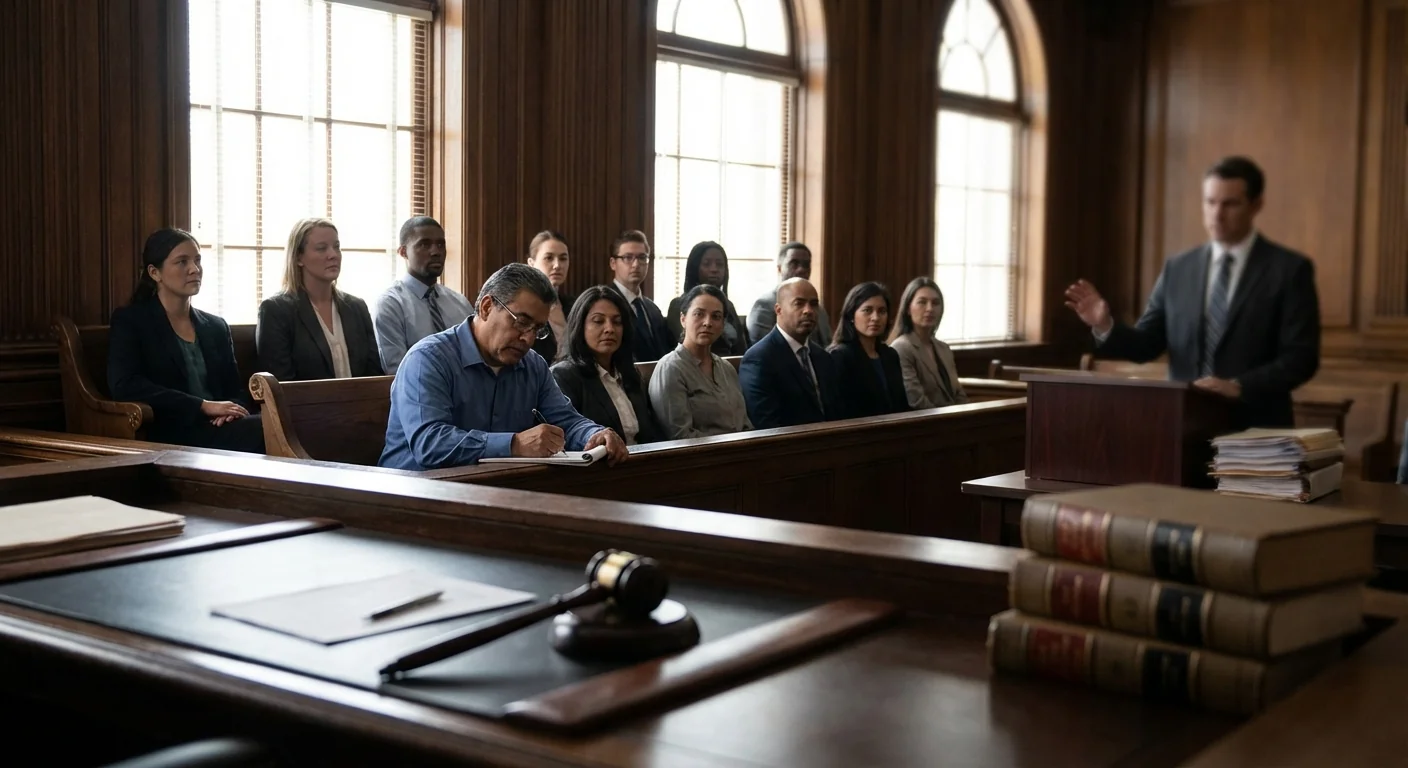
The judge’s ruling narrows the case to what the messages show and what the accused intended, not who he might be linked to.
What the jury will weigh next is clear:
- The content of the Snapchat messages
- Whether the offer was real and specific
- Any steps taken to act on the plot
- Who saw or responded to the offer
Oversight Of Bovino’s Urban Operations
On a second front, Bovino’s tactics face strict court control. A separate federal case in Chicago continues to limit how his teams operate in the city. The judge in that matter has curbed the use of tear gas. The court has also ordered oversight measures to track daily conduct. In past hearings, Bovino was made to answer questions in open court. The message was blunt. Federal power ends where the Constitution begins.
These limits follow complaints about excessive force and racial profiling in urban deployments. The allegations span Los Angeles and Chicago. Rights at stake include freedom of speech and assembly, equal protection, and freedom from unreasonable searches. This is not just about one leader’s playbook. It is about the outer edge of federal authority in a city that did not invite this operation.
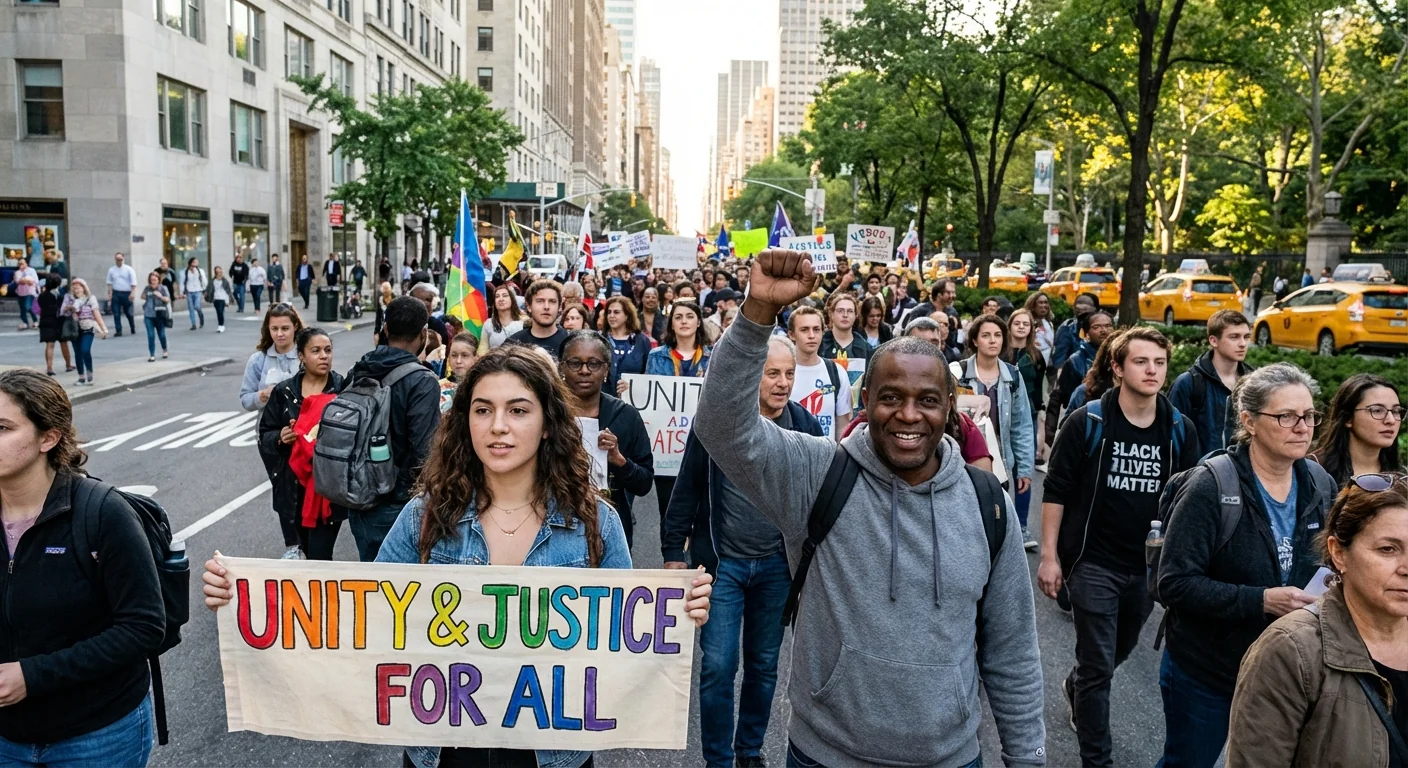
Know your rights during federal operations: you may record from a safe distance, you may ask if you are free to leave, and you may request a lawyer before answering questions.
Key protections to remember:
- The right to protest peacefully
- The right to be free from unreasonable force
- The right to be free from stops based on race or ethnicity
- The right to seek court orders if rights are violated
The Image That Fuels The Fight
Bovino’s public image has become part of the legal story. A slick federal video cast him in a dark, militarized style. The look drew anger and harsh comparisons to fascist symbols. Critics say it was not just bad taste. They argue it was a warning shot to cities and to migrants. Supporters see strength and resolve. Either way, the visuals land in courtrooms and jury pools. Judges notice when policing starts to look like war.
That image also shapes policy debate. It makes it harder to find middle ground on enforcement. It can chill speech when communities fear the camera, the lights, and the show of force. Courts often act as the cooler head in the room. They favor body cameras, not combat gear. They favor clear rules, not shock value.
Online threats and offers to commit violence are crimes. Speech that asks others to kill is not protected by the First Amendment.
Why This Moment Matters
Two tracks now run side by side. In the criminal trial, the court narrowed proof to direct acts and intent. In the civil case, the court keeps constraining how Bovino’s teams operate on Chicago streets. Together, they show a judiciary checking heat with law. The judges are signaling that fear, flair, and labels cannot do the job of facts.
Bovino rose from sector chief in El Centro to a national role in 2025. His style traveled with him. So did the backlash. Cities pushed back in court and won guardrails on tactics. Today’s ruling in the murder for hire case adds a new layer. The system will protect the target of a plot, while still protecting the rights of the accused. That balance is the point.
What comes next is straightforward. Prosecutors will lean on the messages, the photo, and witnesses, not gang lore. Defense counsel will press intent and context. In Chicago’s oversight case, compliance will be tested in the cold weeks ahead. If agents break the rules, sanctions can follow. If they comply, the court may ease the leash.
The law can be slow. But it is moving here, and in plain view. The courts are forcing this fight out of the shadows and into the rules. That is how power is checked, and rights are kept, even in the heat of a national fight over the border. ⚖️