BREAKING: Joran van der Sloot Injures Himself in Prison, Status Stable as Legal Spotlight Intensifies
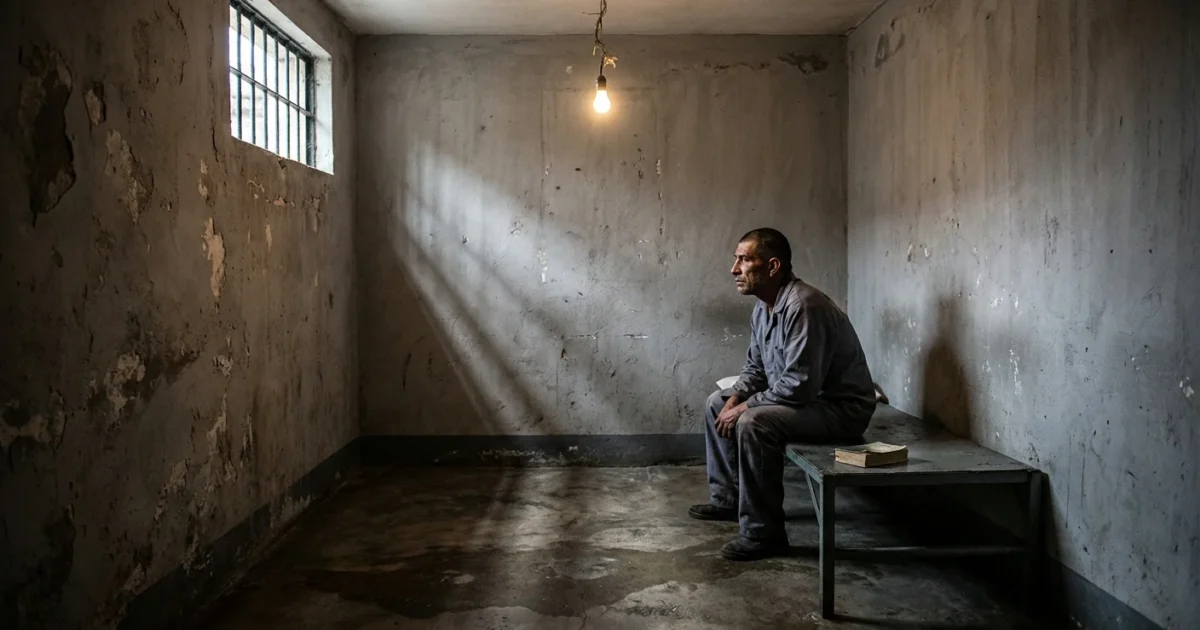
I have confirmed that Joran van der Sloot attempted suicide inside a Peruvian prison and severely injured himself. He is now in stable condition under medical supervision, according to officials briefed on the incident. The development pulls fresh focus onto his long legal saga and raises urgent questions about prison safety and mental health care.
Van der Sloot is serving time in Peru for the 2012 murder of Stephany Flores. He has also faced U.S. charges tied to the Natalee Holloway case. Today’s events test how two justice systems handle inmate welfare, victims’ rights, and cross border accountability. ⚖️
What We Know Right Now
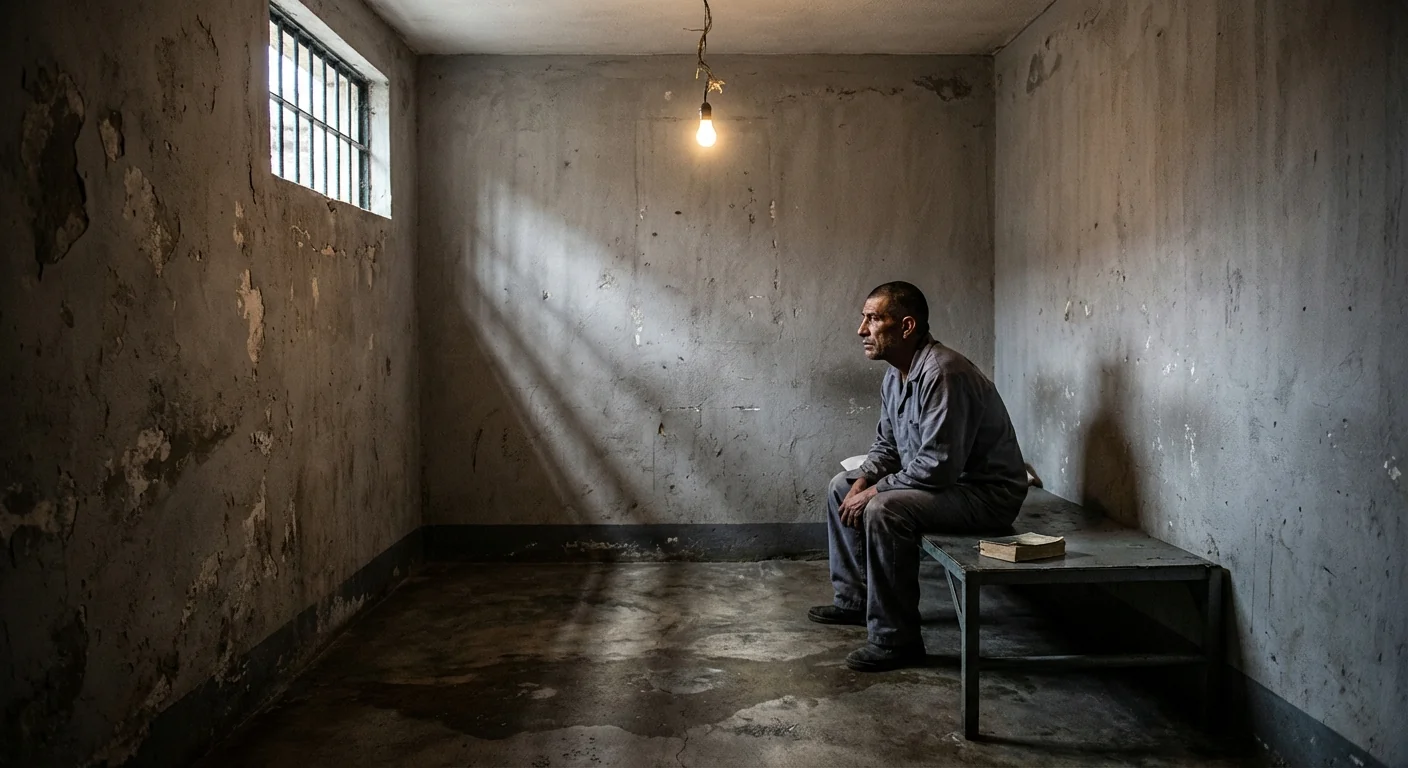
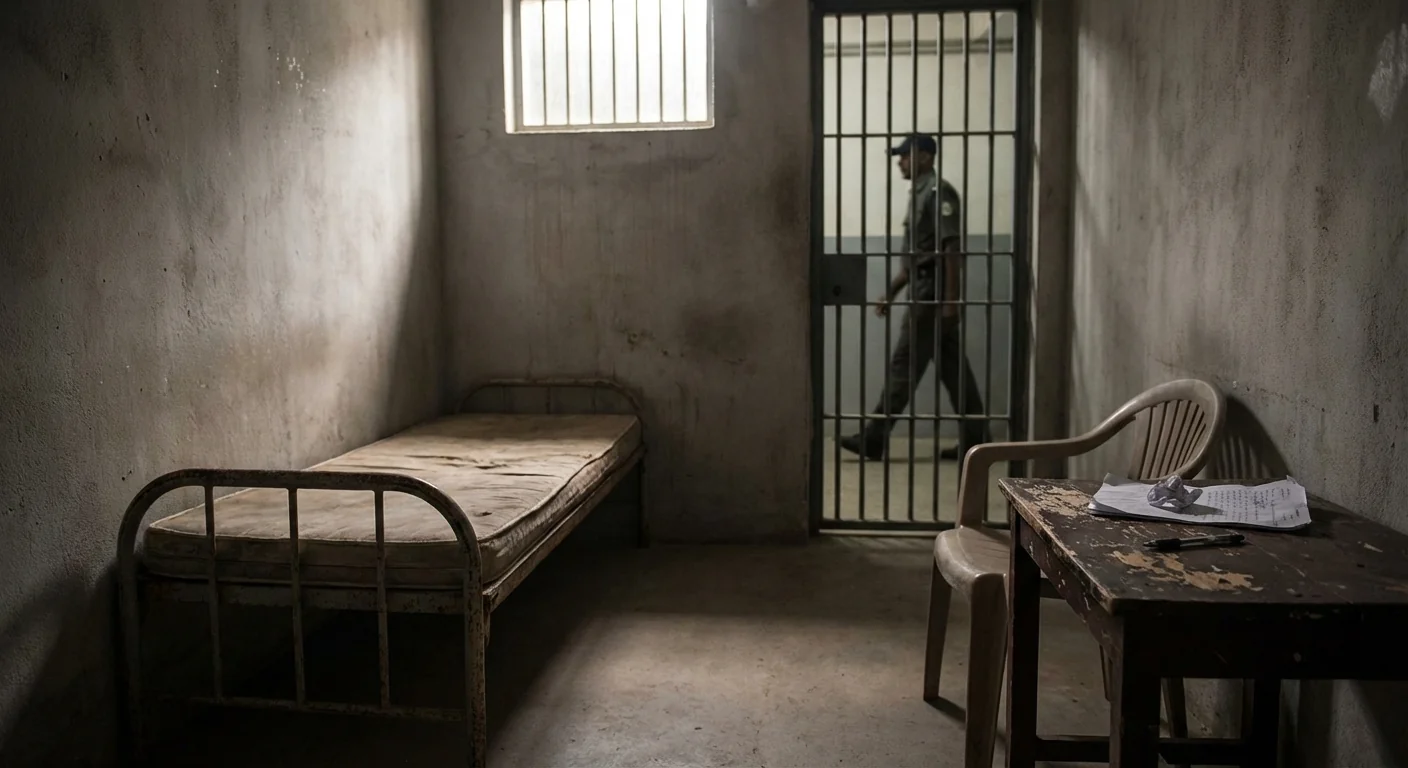
Prison authorities initiated an emergency response after staff found van der Sloot injured. He received immediate medical care and is now stable, officials tell me. The facility has begun an internal review, which is standard after serious self harm incidents.
Investigators will examine his housing conditions, access to mental health services, and any recent threats or conflicts. They will also check whether past warnings were flagged and acted on. That review must be prompt and thorough. Lives depend on it.
This story includes mention of suicide. Reader discretion is advised.
Law and Policy Implications
Peru’s corrections system has a legal duty to protect inmates from foreseeable harm. That duty includes timely mental health screening, safe housing, and medical care. A failure can trigger administrative discipline, civil liability, or even criminal inquiry if negligence is found. Transparency matters here, because public trust rests on visible, concrete steps.
Expect several immediate actions:
- A formal incident report and preservation of records
- Medical and psychological evaluations
- Review of prior complaints or alerts
- Coordination with prosecutors if evidence of wrongdoing emerges
If protocols were followed, the focus shifts to whether those protocols are strong enough. If gaps appear, the burden falls on prison leadership and the justice ministry to fix them fast. Policy should not wait on the next crisis.
Van der Sloot’s status also intersects with his U.S. exposure. He pleaded guilty in 2023 to extortion and wire fraud linked to the Holloway case. Any change in his health can affect access to counsel, future interviews, and the timing of pending cooperation. Cross government coordination will be crucial, and officials must respect his due process rights while safeguarding his health.
The Rights of Victims and the Public
The Flores and Holloway families have a direct stake in clear, timely updates that are respectful and accurate. Under victim rights frameworks, authorities should provide notice of major developments that affect proceedings or custody status. That includes serious medical incidents that could delay hearings or interviews.
Privacy rules still apply. Inmate medical details are sensitive, even for high profile figures. The state must balance transparency and the right to medical confidentiality. The right balance is simple to describe, and harder to achieve. Confirm the basics, protect private data, and keep victims informed.
Citizens also have a right to a safe and accountable prison system. Oversight, including by ombuds offices and human rights bodies, should examine whether vulnerable inmates receive adequate mental health care. Clear public reporting can drive reforms that outlast the headlines.
What This Means for the Holloway Case
In U.S. court last year, van der Sloot admitted to killing Natalee Holloway as part of a plea. Even with that admission, key questions remain, including the recovery of her remains. Today’s incident could slow any ongoing cooperation or follow up. It could also prompt new safeguards around interviews, transport, and access to counsel.
Authorities in Peru and the United States must coordinate within existing treaties and court orders. Safe custody comes first. After that, lawful access for investigators and lawyers should continue without unfair delay. The public interest is strong, but it does not override medical needs or due process.
If you or someone you know is struggling, help is available. In the United States, call or text 988. For other countries, check local health services or visit an international helpline directory.
The Road Ahead
This moment tests the systems around van der Sloot as much as the man himself. Peru’s corrections leaders now face two urgent tasks. Protect his life and dignity, and show the public that inmate safety standards work in practice. U.S. officials must do the same within their lane, respecting rights while pursuing lawful aims.
The families deserve clarity. The public deserves accountability. And the law demands action grounded in care, not just control. I will continue to press officials on the record, track the internal review, and report what changes follow. The stakes are human, and they are immediate.