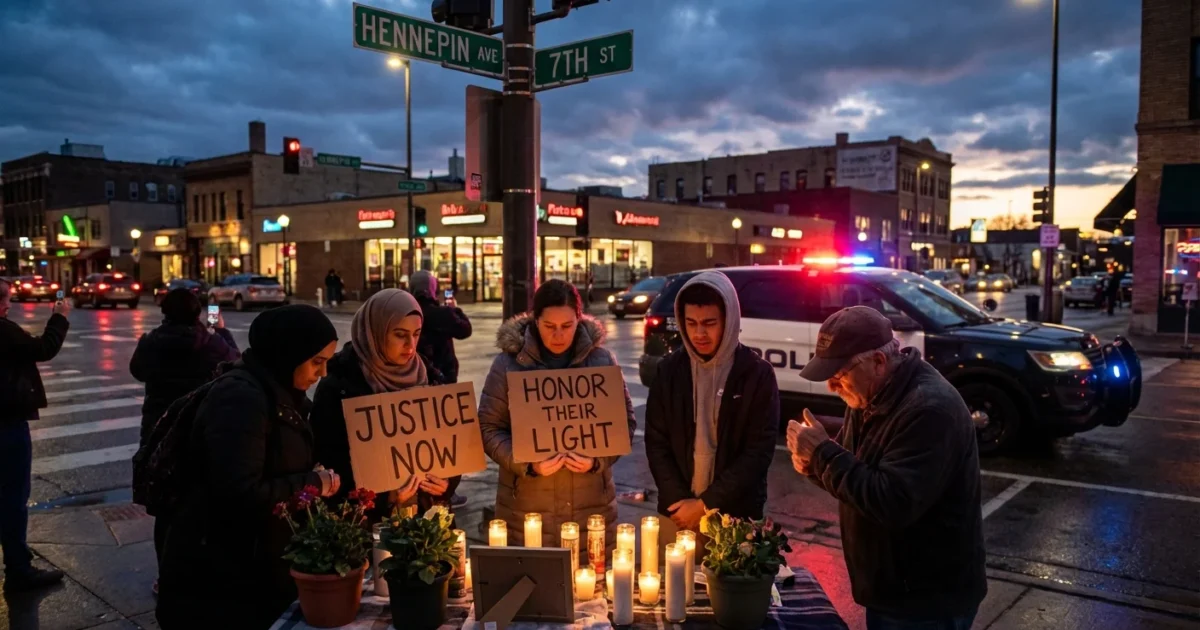
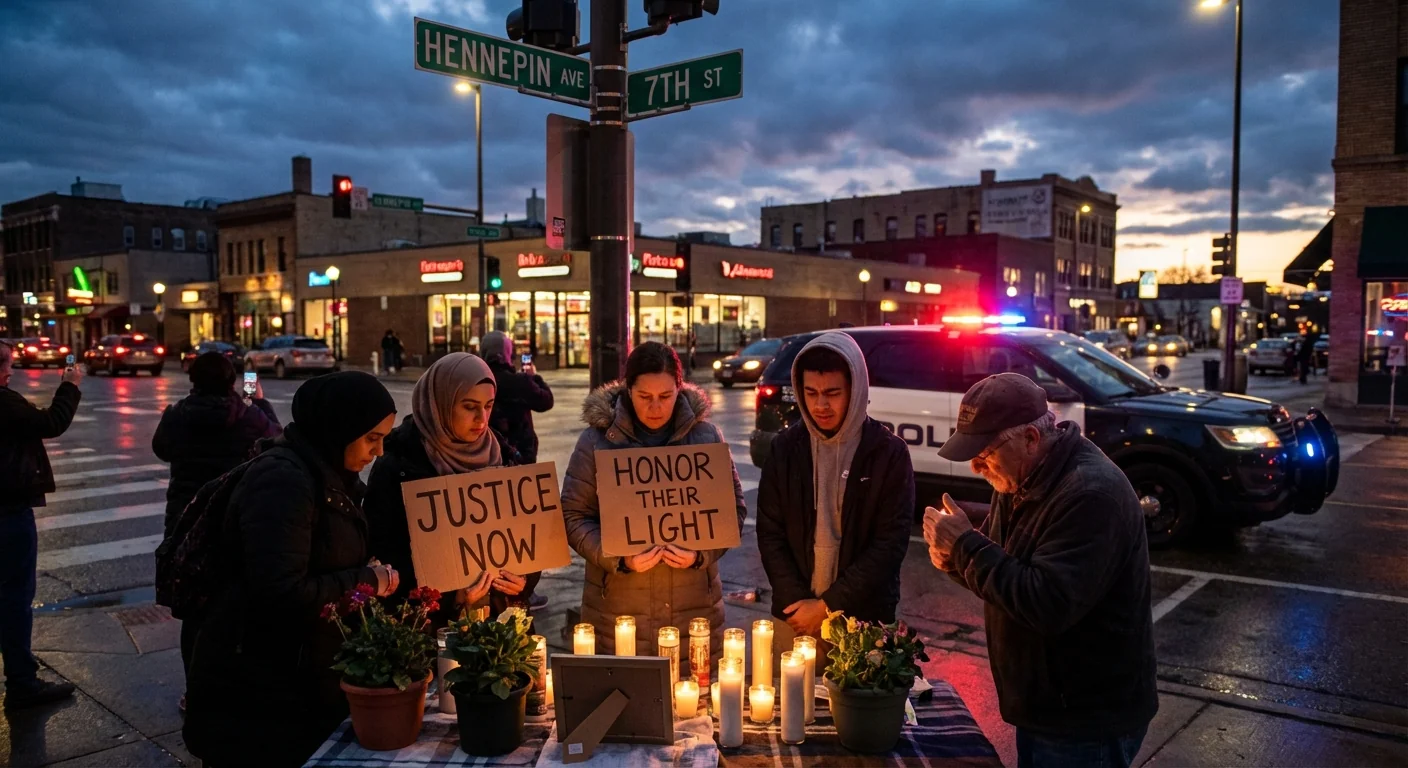
A U.S. immigration officer shot and killed a woman in Minneapolis this evening, just four blocks from the site where George Floyd was killed in 2020. The intersection filled fast. Voices rose, candles flickered, and the demand was simple. Tell us what happened, and why.
What Happened, And What We Know
City officials confirmed to me that an officer with U.S. Immigration and Customs Enforcement fired the fatal shot. The woman died at the scene. Her name has not been released. The agency has not provided a detailed account of the encounter.
Police sealed off the block. Investigators marked shell casings and collected video from nearby businesses. Crowds gathered at a respectful distance, but the tension was clear. People remembered 2020, and they want answers now.
This is a federal shooting in a city still under reform. That mix makes the next steps both urgent and complicated.
Who Investigates, And Who Decides
Several layers of law apply here. Federal, state, and local.
The first review will document the facts. Minneapolis police are managing the scene. The Minnesota Bureau of Criminal Apprehension often investigates officer shootings, but the shooter here is federal. Expect federal investigators to lead, likely the Department of Homeland Security Office of Inspector General. The FBI and the U.S. Attorney’s Office can also review possible federal crimes.
State prosecutors can consider charges under Minnesota law. But federal officers acting in the scope of duty can move cases to federal court. They can also raise Supremacy Clause immunity. It does not block all charges, but it raises the bar. These jurisdiction fights take time.
Use of force will be judged by well known standards. Graham v. Connor asks if force was objectively reasonable under the facts. Tennessee v. Garner limits deadly force to serious threats. DHS policy also requires necessity and proportionality. Those rules matter. They define what is lawful, and what is not.
Expect multiple investigations. Federal reviews can run in parallel with state and local inquiries.
The Accountability Gap For Federal Officers
Minnesota has pushed reforms since 2020. Minneapolis is building a new oversight system. The state reached an agreement with the city to change training and supervision. A federal consent decree for Minneapolis policing is also in the works. These tools do not cover federal immigration officers.
That gap is real. Lawsuits against federal officers face hard limits. The Supreme Court has narrowed Bivens claims, which once allowed damages for some constitutional violations. A recent wave of rulings makes new Bivens cases unlikely for immigration enforcement. Families can still file claims against the government under the Federal Tort Claims Act. That route requires a quick administrative filing, and it has exceptions and hurdles.
Inside DHS, there are watchdogs. The Office for Civil Rights and Civil Liberties can review civil rights complaints. ICE has an Office of Professional Responsibility. The Inspector General can take criminal cases. But these processes are often slow and closed to the public.
Body worn cameras could help. DHS has been rolling out cameras across some units, including immigration enforcement. It is not clear if the officer here wore one. If video exists, it must be preserved and reviewed. Without video, transparency depends on witness accounts and nearby cameras.
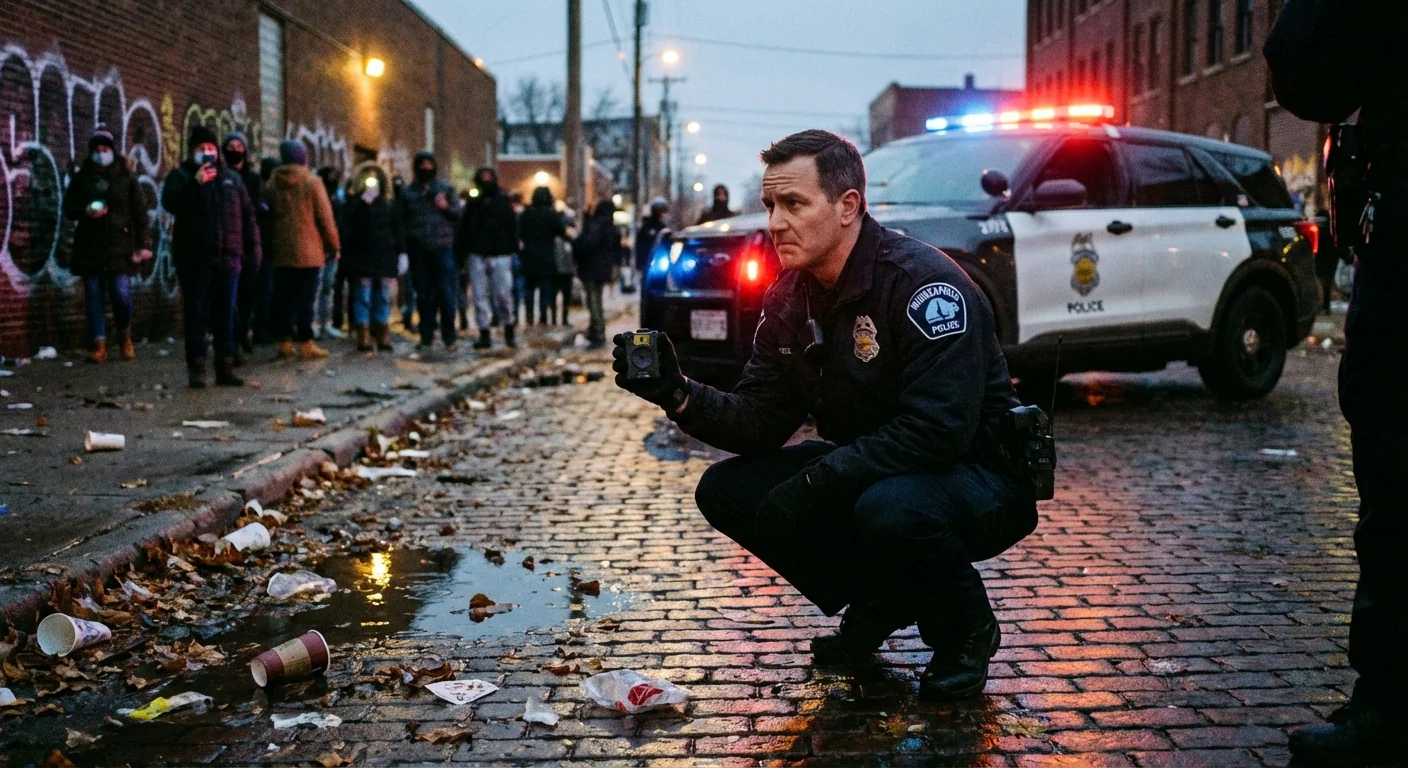
If you witnessed the shooting, write down what you saw while it is fresh. Save any photos or video.
Your Rights, Right Now
People have the right to gather in public and speak out. Police can set safety perimeters and issue lawful orders. Keep distance from active investigations to avoid arrest.
You also have a right to record officers in public, from a safe spot. Do not interfere. Keep sidewalks open. If ordered to move, ask where you can stand and keep filming from there.
- State your intent to record, and hold your phone steady
- Do not cross police tape or block medics
- Ask for badge names and numbers when safe
- If detained, ask if you are free to leave, then stay silent and ask for a lawyer
If officers seize your device, ask for a receipt. Your passcode is private. Request to speak with an attorney.
What Transparency Should Look Like
Here is what needs to happen fast. Officials should publish a clear timeline, including the reason for the ICE operation, the nature of the contact, and when force was used. They should identify all agencies on scene. If there is body camera or dashboard video, it should be preserved and prepared for release as allowed by law.
The medical examiner will release cause and manner of death. That report should guide the public record, not rumors. Any 911 calls, radio logs, and use of force reports should be released on a set schedule. If the case moves to federal review, local leaders should still brief the community on what they can share.
This shooting happened steps from a place that changed policy across the country. It tests what those changes mean when the officer wears a federal badge, not a city uniform.
This city knows how fast stories can spin. Tonight, one fact matters most. A woman is dead after a government officer fired a gun. The law has rules for this moment. So does civic trust. The investigations must be thorough, the explanations must be plain, and the community must be heard.