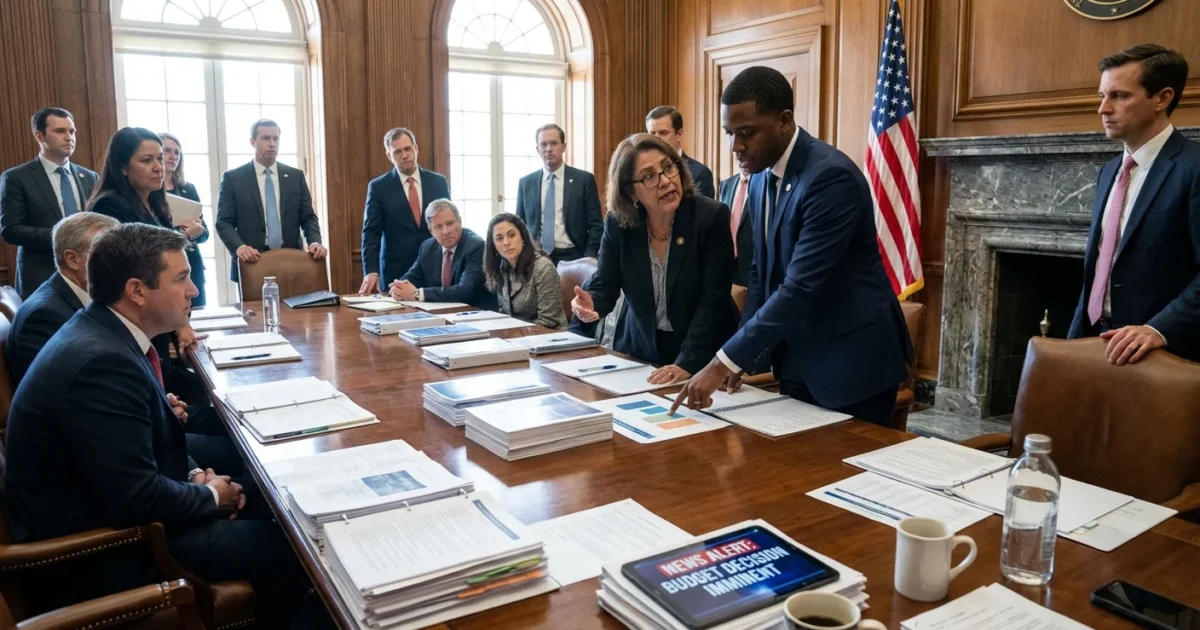
BREAKING: House Vote Reopens Government, Leaves Homeland Security on the Clock
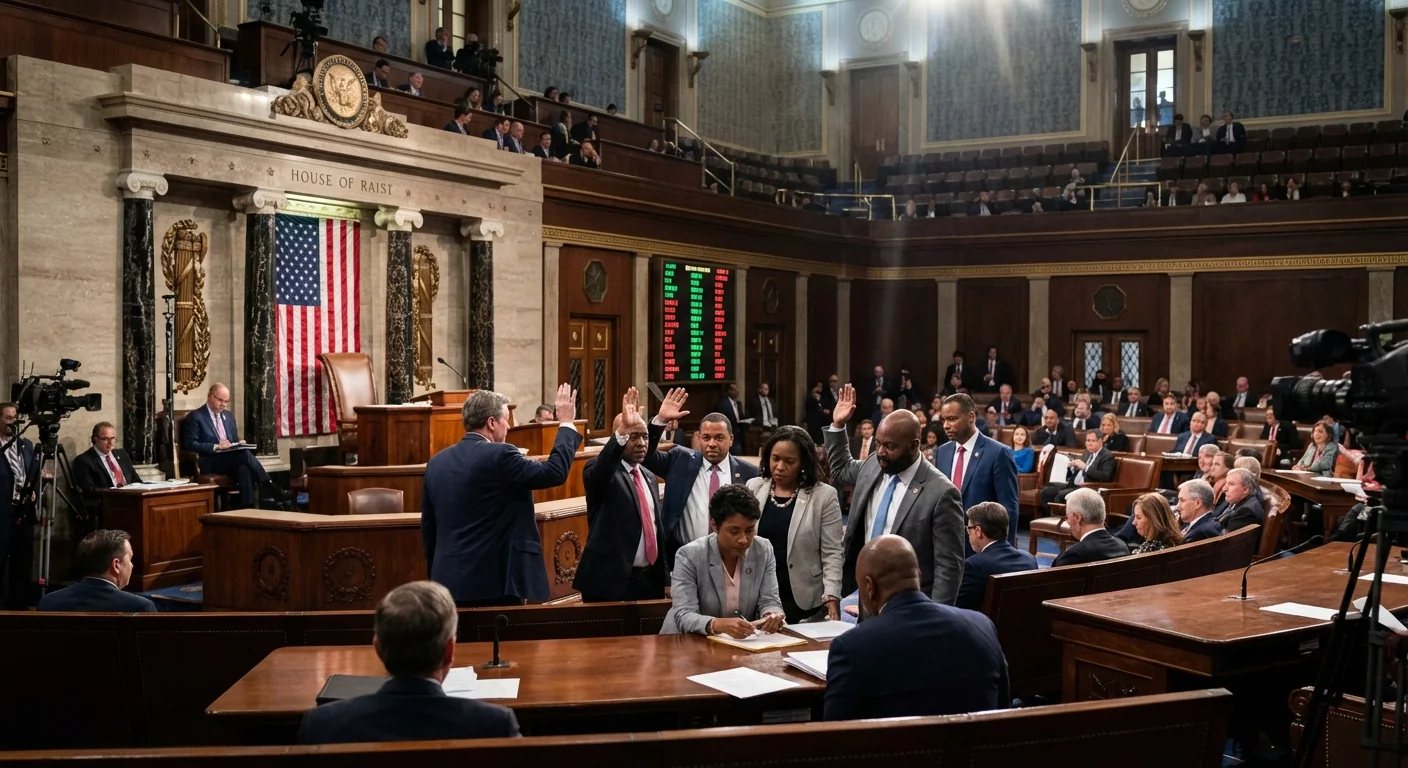
The House just voted to end the shutdown. The government will reopen, and most federal agencies will get full year funding. But Homeland Security is funded only for a short time. That sets up the next fight over immigration enforcement.
What the House Just Passed
The package is a tactical split. Congress approved about 1.2 trillion dollars for the rest of the fiscal year. That covers most departments, from Defense to Education. It restores normal operations after days of disruption. It also guarantees back pay for furloughed employees under federal law.
Homeland Security is different. Lawmakers put it on a short term extension. That move prevents a wider shutdown now, but it creates a new funding cliff. The Department of Homeland Security will face another deadline soon, as talks continue over Immigration and Customs Enforcement policy.
- About 1.2 trillion dollars funds most agencies for the rest of the fiscal year
- DHS gets a short term extension, with a near deadline attached
- ICE enforcement and detention policy remains the key debate
- Furloughed federal workers are owed back pay once agencies reopen
Federal workers, expect back pay as agencies process payroll. Contractors should check with their contracting officers for updated guidance.
The Tactical Compromise, Explained
Leaders chose stability first. They pulled Homeland Security out, then moved the larger funding deal with bipartisan votes. That ended the broad shutdown fast. It also kept pressure on negotiators to settle ICE policy without risking the rest of government.
Why ICE, and why now? The sticking points include how many people ICE detains, where they are held, and how long. Some members want to set stricter limits. Others want to expand detention and speed removals. There are also disputes over community supervision programs, transport funding, and data reporting. None of that was solved today. It was simply parked on a short clock.
This split approach is legal and common. Congress can pass full year funds for some areas, and shorter funds for others. The aim is to narrow the battlefield. The risk is obvious. If talks fail, only DHS funding will lapse next time.
What This Means for Your Rights and Services
Most federal services resume now. National parks reopen. Passport processing ramps back up. Research labs, small business loans, and housing programs restart. Federal courts running low on funds can shift back to normal schedules. Veterans services continue. Social Security and Medicare payments were still going out, and agency staffing now stabilizes around them.
DHS operations keep running during the short extension. That includes the Coast Guard, FEMA, TSA screening at airports, and Border Patrol. If the DHS cliff hits without a deal, essential staff would still report, but many would go unpaid until Congress acts. Travelers could face longer lines. Immigration courts could slow again. Employers using E‑Verify could see service pauses.
Know your rights during this period. If you are a traveler, you have the right to screening that follows TSA rules. If you are in immigration proceedings, you have the right to due process, and to counsel at your own expense. If an agency misses a statutory deadline that affects you, keep records. You may seek relief once normal operations resume.
The next deadline applies only to DHS. Plan for possible delays in travel, immigration court dates, and E‑Verify if talks stall.
The Law Behind the Shutdown and Restart
The Antideficiency Act bars agencies from spending money without a law in place. That is why shutdowns happen when funding lapses. Today’s vote supplies legal authority for most agencies to obligate and spend, for the full fiscal year. DHS has authority only for a short period.
Contractors should look for updated task orders and funding notices. Agencies will process stop work orders, reopen offices, and start paying invoices tied to funded accounts. Employees will receive back pay under the Government Employee Fair Treatment Act, which applies to future lapses as well.
ICE policy will be set through the next DHS bill or a side deal that changes riders and directive language. Expect debates over detention bed counts, facility standards, humanitarian release, and reporting rules. Oversight committees will press for compliance metrics and timelines.
What to Watch Next
The timeline is tight. Negotiators have days, not months, to settle ICE policy. Leaders can choose from three paths. They can strike a focused deal on ICE and pass full year DHS funds. They can pass another short extension if talks are close. Or they can miss the deadline, which would trigger a DHS only lapse.
For now, the larger government is back on steady ground. That mattered today. The House vote ended the broader crisis while isolating a tough dispute. It is a hard balance, but it keeps schools, communities, and small businesses tied to federal programs from taking another hit.
Conclusion
The shutdown is over, but the story is not. The House delivered a clean restart for most of government, and a short fuse for Homeland Security. The next round, centered on ICE policy, will test whether Congress can govern without lurching from cliff to cliff. Citizens should enjoy the relief, stay informed about DHS services, and be ready for another sprint on the Hill.