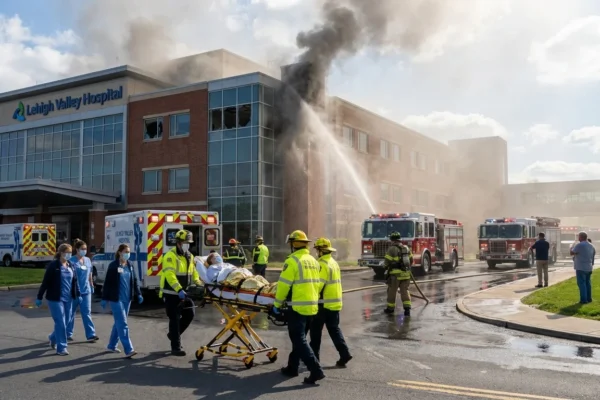
Everpeak Hospitality is now at the center of a fast-moving hotel law fight. A Minneapolis property tied to the company allegedly canceled reservations for U.S. Immigration and Customs Enforcement agents. Hilton has cut branding ties with the hotel. Federal officials have removed the site from an approved lodging list while they review what happened. The dispute now tests franchise rules, government travel policy, and the rights of all guests. ⚖️
What happened, and why it matters
DHS officials say the hotel maliciously canceled ICE bookings. Hilton confirms it has ended its relationship with the property after the incident. Federal travel managers have also delisted the hotel pending review. Those are three strong steps, taken fast.
Here is the legal core. If a hotel holds itself out to the public, it must follow public accommodation laws. If it participates in a federal lodging program, it must follow those program rules. If it flies a brand flag, it must honor brand standards. Any refusal that breaks those guardrails brings real consequences.
Brand termination signals the franchisor believes the property violated standards that protect guests, safety, and the brand’s reputation.
Franchising 101, who decides what
People often think the brand controls every room night. Not so. Most branded hotels are owned or managed by separate companies. Everpeak Hospitality is associated with the Minneapolis property at the center of this dispute. In a franchise, the brand sets standards, trademarks, training, and reservation systems. The owner or management company hires staff, sets local policies, and runs the day to day.
That split can create tension. A local manager can make a quick choice that the brand would never allow. When that choice harms the brand or breaks the law, the franchisor can step in. Common tools include default letters, fines, audits, and, if needed, termination of the flag.
The legal stakes for Everpeak Hospitality
Three bodies of law are in play. Contract law, public accommodation rules, and federal procurement policy.
First, contracts. A franchise agreement almost always requires the hotel to serve lawful guests without discrimination, to honor bookings made through brand channels, and to protect brand goodwill. If bookings for federal agents were canceled for who they are, that can be a breach. The brand can then terminate, seek damages, and bar the owner from using its systems.
Second, government travel rules. Hotels on an approved federal lodging list agree to set rates, safety standards, and availability. Refusing booked federal travelers can trigger delisting, nonpayment, and further review. If a government rate was confirmed, and then canceled without cause, the agency may pursue remedies for nonperformance.
Third, public accommodation law. Minnesota law bars discrimination against protected classes in places open to the public. Political views and government job status are not protected classes. Still, a hotel cannot use a protected trait as a proxy, and it cannot make deceptive promises. If a property accepted reservations, then canceled them for a hidden policy reason, state consumer protection laws may enter the picture.
- Key exposure points include franchise breach, lodging program noncompliance, and possible unfair practices claims.
Businesses that take federal bookings through an approved list must honor them or face delisting, clawbacks, and stricter oversight.
Rights of guests, duties of operators
Government travelers have the same basic rights as any guest. They can expect confirmed reservations to be honored, fair treatment, and safe lodging. If turned away, they can file an incident report with their agency travel office and the federal lodging program. They can also document losses and request reimbursement review.
Private hotels have broad freedom to set policies, but not to discriminate against protected classes or break contracts. Safety-based refusals are allowed if specific and genuine. Blanket bans on lawful government guests are risky, especially when the hotel has signed brand and program agreements that promise access.
For the public, there is a civic interest here. Taxpayers fund federal travel. The approved lodging system exists to control costs and ensure safety. Delisting a noncompliant property protects both.
What happens next
Expect parallel reviews. The franchisor will finalize termination steps and secure removal of brand signage. The federal lodging program will audit records, rate parity, and the basis for the cancellations. The operator will face claims tied to lost bookings, brand damages, and any government costs tied to the disruption.
Everpeak Hospitality, as the company associated with the site, will need to preserve records, notify insurers, and assess compliance gaps. Clear corrective steps can shorten the delisting period. Silence will not help.
This moment is a stress test for franchised hospitality. It shows how one local decision can trigger contract remedies, government action, and public scrutiny in a matter of days. The rule is simple, and it should guide the industry now. If you take the reservation, honor the reservation, unless a lawful and documented safety reason says you cannot. 🏨
In the end, brand standards, program rules, and civil rights are not optional checklists. They are the price of operating in the public square. The faster Everpeak Hospitality and its partners align with those duties, the faster travelers, agents, and the city can move on.