BREAKING: Who Pays For Health Coverage Next Year Is Now Up For Grabs
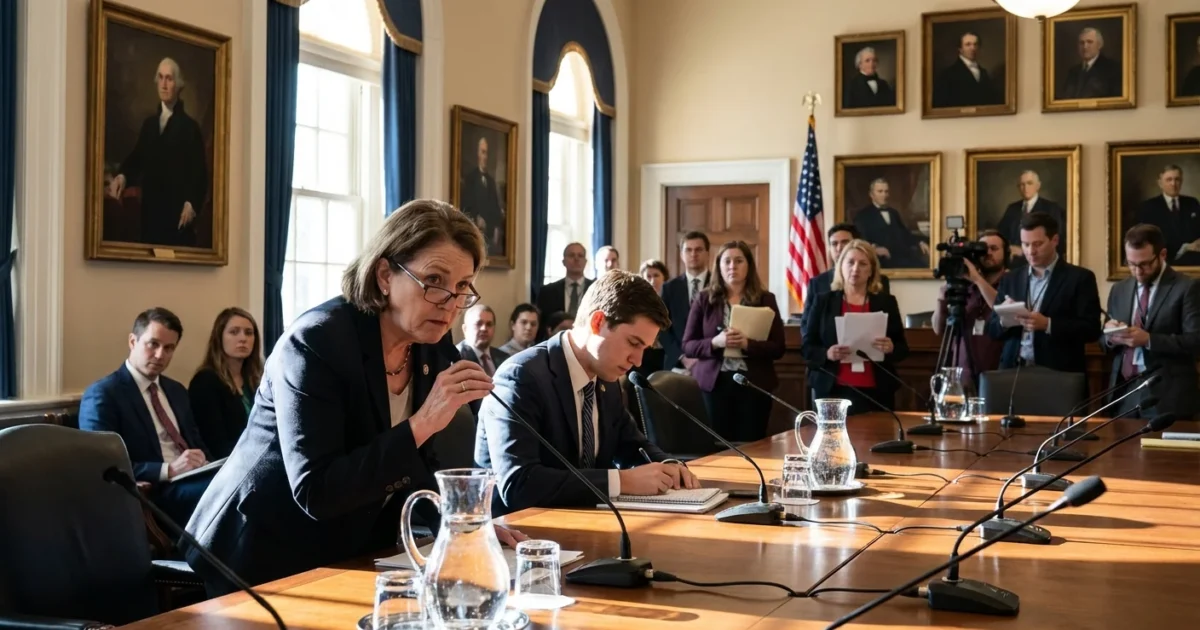
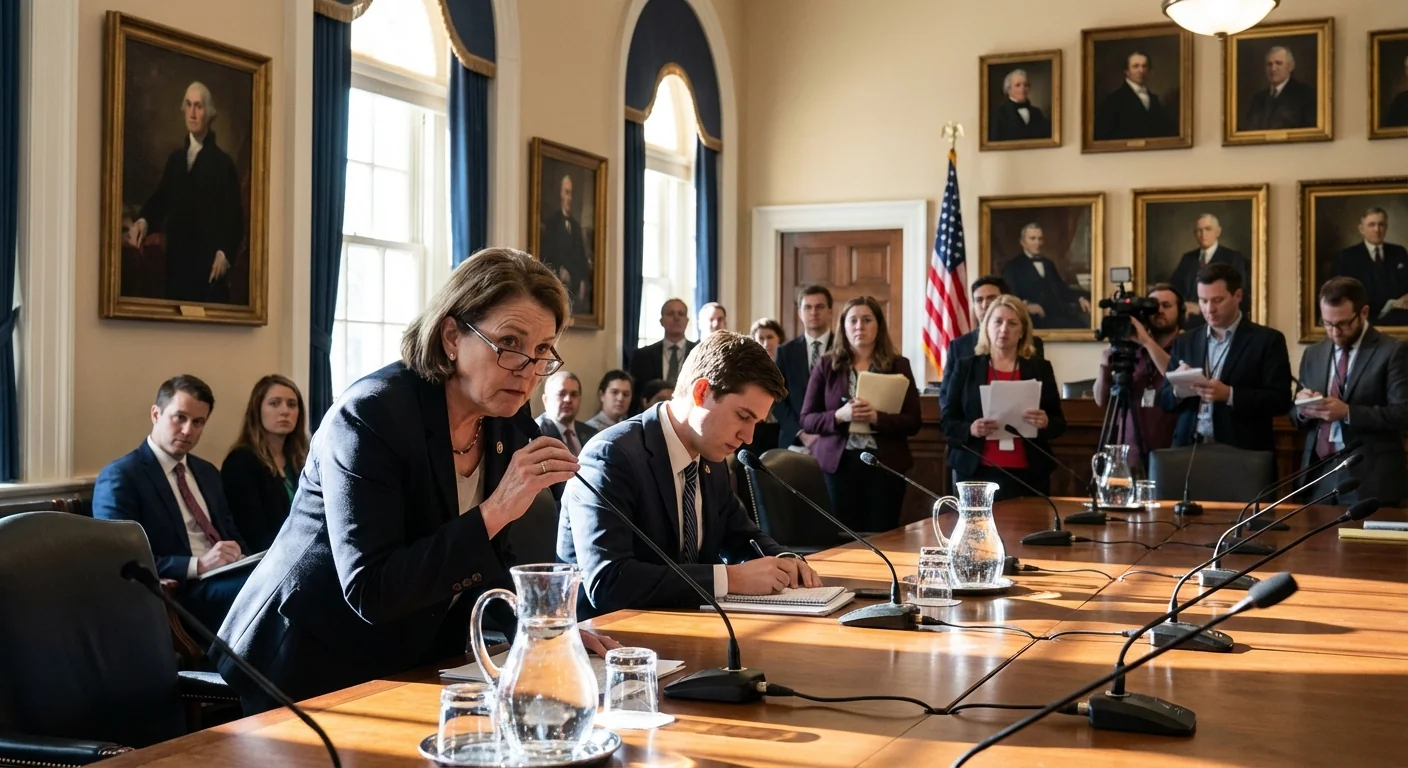
I can confirm tonight that Senate Republicans are preparing a plan that would end the enhanced Affordable Care Act premium subsidies and replace them with smaller payments into Health Savings Accounts. The draft under discussion, led by Finance Chair Mike Crapo and Health Committee Chair Bill Cassidy, would steer about 1,000 to 1,500 dollars per person into HSAs. That is not the same as a direct discount off your monthly premium. For many families, the swap could raise out-of-pocket costs.
The political heat rose further yesterday, when President Trump blasted health insurers and urged that federal dollars go straight to people instead of to insurance companies. That message puts pressure on Congress, insurers, and regulators at the peak of open enrollment. It also raises a sharp legal question. Who is the lawful payee of federal health dollars next year, and on what terms.
What Changed Today
The Senate outline would let enhanced ACA subsidies lapse, then stand up a new HSA payment. HSAs require a qualifying high deductible plan. They are not automatic premium credits. They are accounts you must set up and manage, and you can only use them for certain medical expenses. Under current law, HSA funds generally cannot be used to pay most premiums.
This design choice is not a small tweak. Premium tax credits reduce your bill every month. An HSA deposit arrives once and may not cover ongoing premium costs. If Congress ends the extra subsidies without a seamless replacement, many enrollees will see higher net premiums. Some will leave the market.
At the same time, CVS Health told investors it plans to exit some ACA marketplaces in 2026. That means fewer plan choices in the affected areas. The company’s insurance arm has been profitable this year, but it is pruning where medical costs are running hot. Regulators will now have to watch network adequacy and competition in those regions.
If your county loses a major carrier in 2026, you may face fewer plans and higher prices. States can add guardrails, but options could shrink.
What It Means For Your Rights And Costs
Your legal rights today have not changed. Open enrollment remains open in most states. Federal data show about 5.8 million people signed up by day 29, which is ahead of last year. That shows strong demand, but retention could shift if Congress changes the math.
Here is what holds right now under federal law:
- Insurers must offer coverage regardless of preexisting conditions
- Most plans must cover essential health benefits and preventive care with no copay
- You have appeal rights if a claim or prior authorization is denied
- If your insurer exits, states often require notice and limited continuity of care for active treatment
If the Senate plan advances, watch two cost levers. First, the loss of enhanced subsidies would hit older buyers and low to middle income families hardest. Second, an HSA payment is fixed and may not track your actual premium, so it will not shield you from a premium spike.

Markets And Regulation Are Shifting Too
Beyond health policy, commercial insurance is easing after years of hard pricing. Capital is plentiful, so rates in property and workers’ compensation have been sliding. That helps employers and cities rebalance budgets. It can also mask risks if the cycle turns.
Insurers are also racing to embed AI in underwriting, claims, and prior authorization. That raises fresh regulatory issues. State insurance departments will probe algorithmic bias, transparency, and consumer notices. Carriers must still follow anti-discrimination laws. They must explain adverse actions. They must secure your data under privacy rules. Expect new guidance from the National Association of Insurance Commissioners and more market conduct exams in 2026.
Keep records. If an algorithm denies a claim or prior authorization, ask for the reason in writing. Then use your appeal rights. 📄
What Happens Next
Two tracks now matter. On Capitol Hill, committee chairs will push for a floor vote. Any bill must be scored on costs and may need to fit budget rules. Advocates on both sides are mobilizing. At the state level, regulators are already preparing 2026 market reviews. Plan exits, rate filings, and network maps will get close scrutiny to protect consumers.
For households, the practical advice is simple. Enroll on time. Verify your subsidy amount. Check your network and drugs. If your plan leaves in a future year, you will get a special enrollment window to switch. Stay alert for official notices.
In short, the fight is now about who gets the check and who bears the risk. Congress may shift payments from insurers to individuals. Companies are redrawing their maps. Regulators are chasing algorithms. Your best move is to enroll, verify your benefits, and watch what Congress does next.