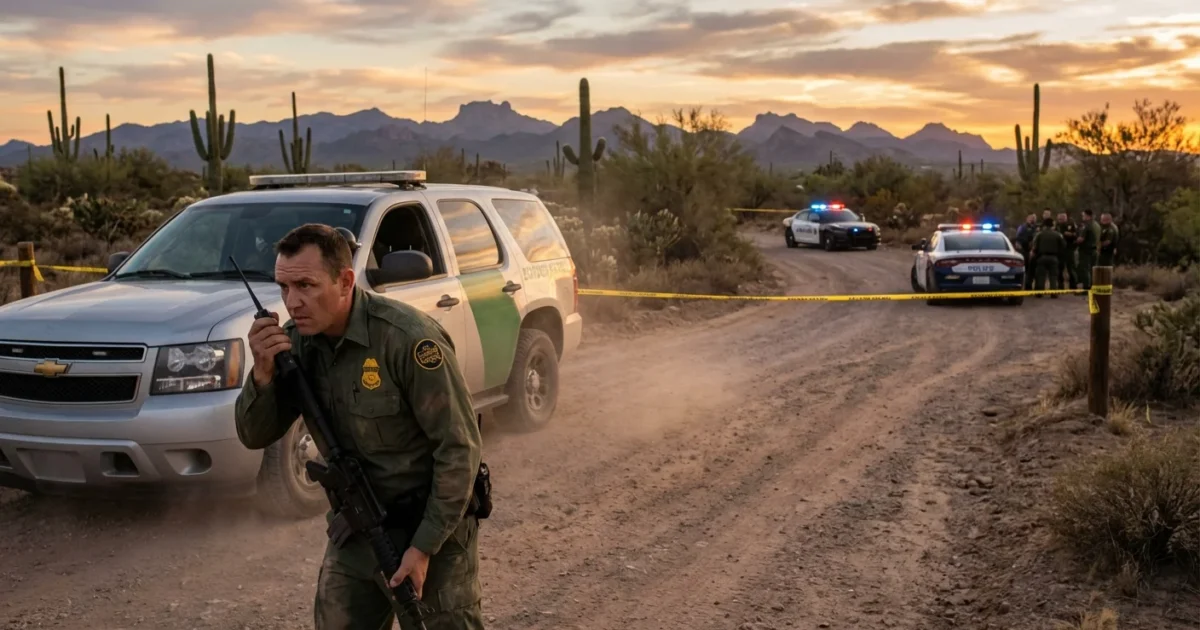
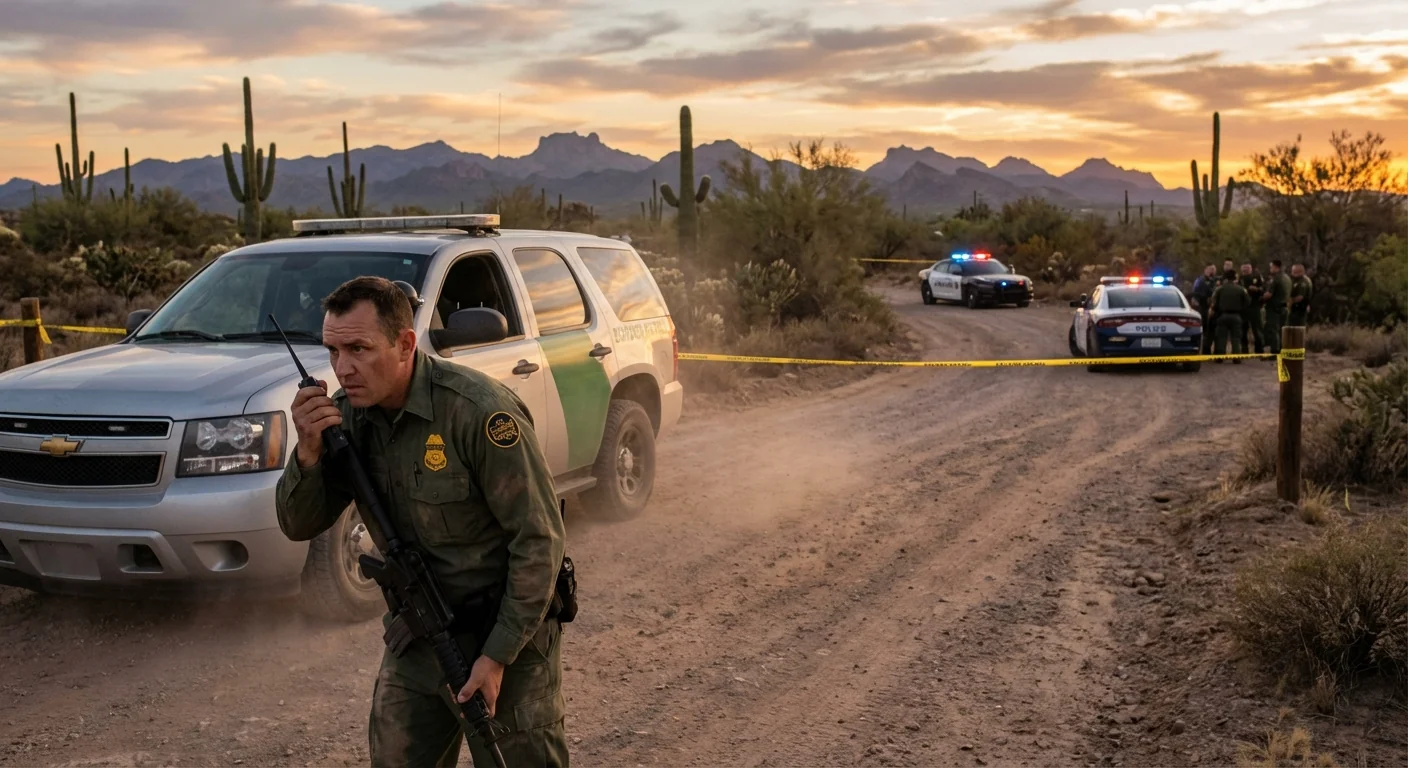
A Border Patrol encounter in Arizona ended in gunfire today. One person is in critical condition. I have confirmed the injury with local public safety officials. Facts are still coming together, and the government has not released full details. The shooting is already raising hard questions about the use of force at the border, oversight, and the rights of people who live and travel in the region.
What we know now
The shooting involves a U.S. Border Patrol agent working in Arizona. Authorities are processing the scene and interviewing witnesses. The person who was shot is receiving emergency care. No other injuries have been confirmed at this time.
The Border Patrol union says the agent made a split second decision during the encounter. In a video statement, a union representative defended the agent’s judgment under pressure. Officials have not said whether the person who was shot had a weapon, or what prompted the use of deadly force. I am tracking those details as investigators release them.
What remains unclear
Key pieces of the puzzle are not yet public. We do not have the names of those involved. We do not know what led up to the shooting. We do not know whether a vehicle stop, a foot pursuit, or a call for service came first. We also do not know if body cameras captured the incident. Border Patrol has been rolling out body worn cameras, but activation rules and availability can vary by unit and location.
Officials have not said which agency is leading the investigation. In cases like this, county authorities often secure the scene, and federal investigators review use of force decisions. I am seeking confirmation on the exact investigative lineup and timeline for public updates.
Deadly force by law enforcement must be objectively reasonable under the Fourth Amendment. The standard looks at the totality of the circumstances, and what a reasonable officer would do in the moment.
The law that will guide the review
Several layers of law and policy apply here. The Supreme Court’s reasonableness test governs all police uses of force. That standard does not require perfect decisions. It requires decisions that are reasonable given the facts the officer faced at the time.
Customs and Border Protection policy allows deadly force only when there is an imminent threat of death or serious injury. Agents must use the least force necessary. They must provide medical aid when safe to do so. If body cameras or dashboard cameras recorded the encounter, those recordings will be central evidence. So will radio logs, photographs, and statements.
Border shootings also trigger multiple reviews. County detectives, the FBI, and the Department of Homeland Security can all have roles. The county attorney or a federal prosecutor will decide on charges if the facts support them. Civil rights investigators can also examine whether rights were violated.
Likely steps over the next days include:
- Scene processing and evidence collection
- Interviews with agents and witnesses
- Review of any video, photo, and radio records
- Prosecutorial review and a public update on findings
Citizen rights and community impact
Border communities live with frequent federal encounters. That does not erase constitutional rights.
You have the right to record law enforcement in public, including federal agents, as long as you do not interfere. Arizona’s attempt to ban filming within eight feet was blocked in federal court. You can ask if you are free to leave. If you are not, you have the right to remain silent. You can request a lawyer if you are detained or arrested. If you are driving through a checkpoint, you must answer basic questions about citizenship, but you do not have to consent to a search without probable cause or a warrant.
Families and neighbors will want answers fast. That makes transparency essential. Clear timelines for releasing basic facts can calm fear and limit misinformation. If there is body camera video, a prompt and careful release can help the public understand what happened.
If you witnessed the incident, write down what you saw while it is fresh. Save your photos and videos. You can share them with investigators or a lawyer. Keep backups.
What to watch next
Expect an initial briefing to confirm the agencies involved, the status of the person who was shot, and whether video exists. Then watch for a formal statement on policy compliance, and any move to place the agent on administrative leave during the review. Names are usually released after next of kin are notified, and once basic investigative steps are secure.
This shooting will shape the debate over border enforcement and accountability. If the review finds the force was reasonable, it will underscore the split second choices agents face. If it finds failures, it will add pressure for tighter training, wider use of cameras, and faster public disclosures. I will continue to report developments as they are confirmed, with a focus on the law, the policy, and the rights that protect all of us.