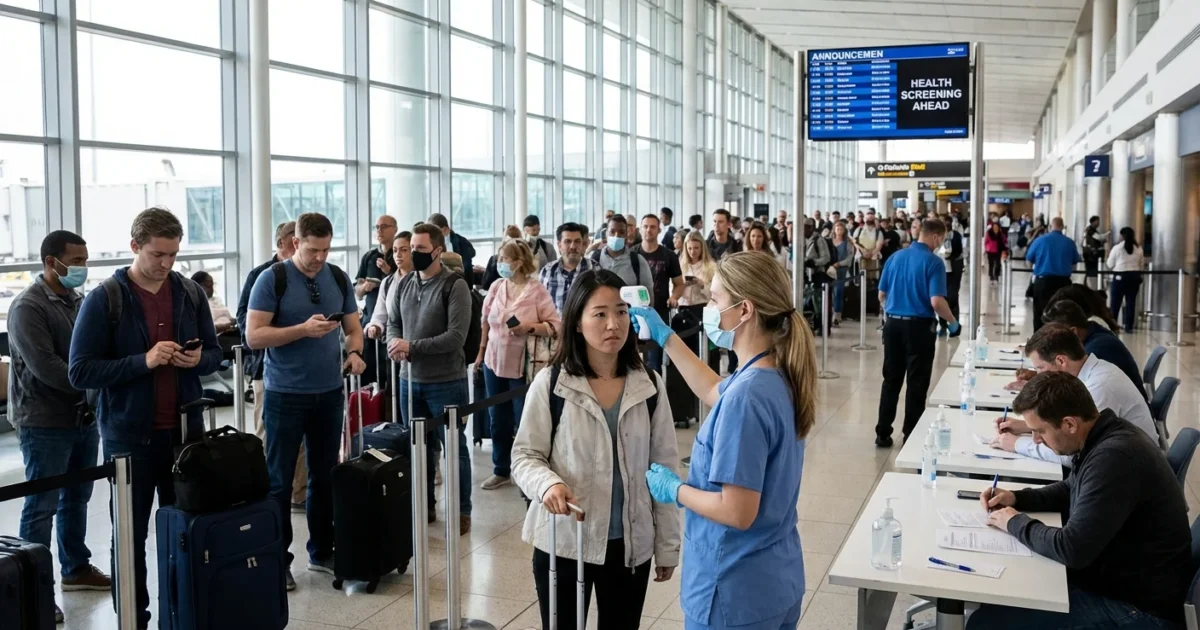
BREAKING: Deadly Nipah virus cases confirmed, airports revive COVID-style checks
Health officials have confirmed new Nipah virus cases in India today. I am tracking the response in real time. Airports across Asia have moved fast and brought back COVID-style health checks to slow any spread. Here is what you need to know now, and how to protect yourself and your family.
What we know now
The new cluster is confined to one region in India at this hour. Local teams have isolated cases and traced close contacts. Hospitals are on alert for fever and sudden brain inflammation, known as encephalitis. Labs are running urgent PCR tests to confirm infections.
Airports have reactivated thermal scanners, health questionnaires, and isolation areas for passengers who feel ill. This is a precaution to catch sick travelers early. It is not a sign of widespread transmission. Most people outside the affected area face low risk today.
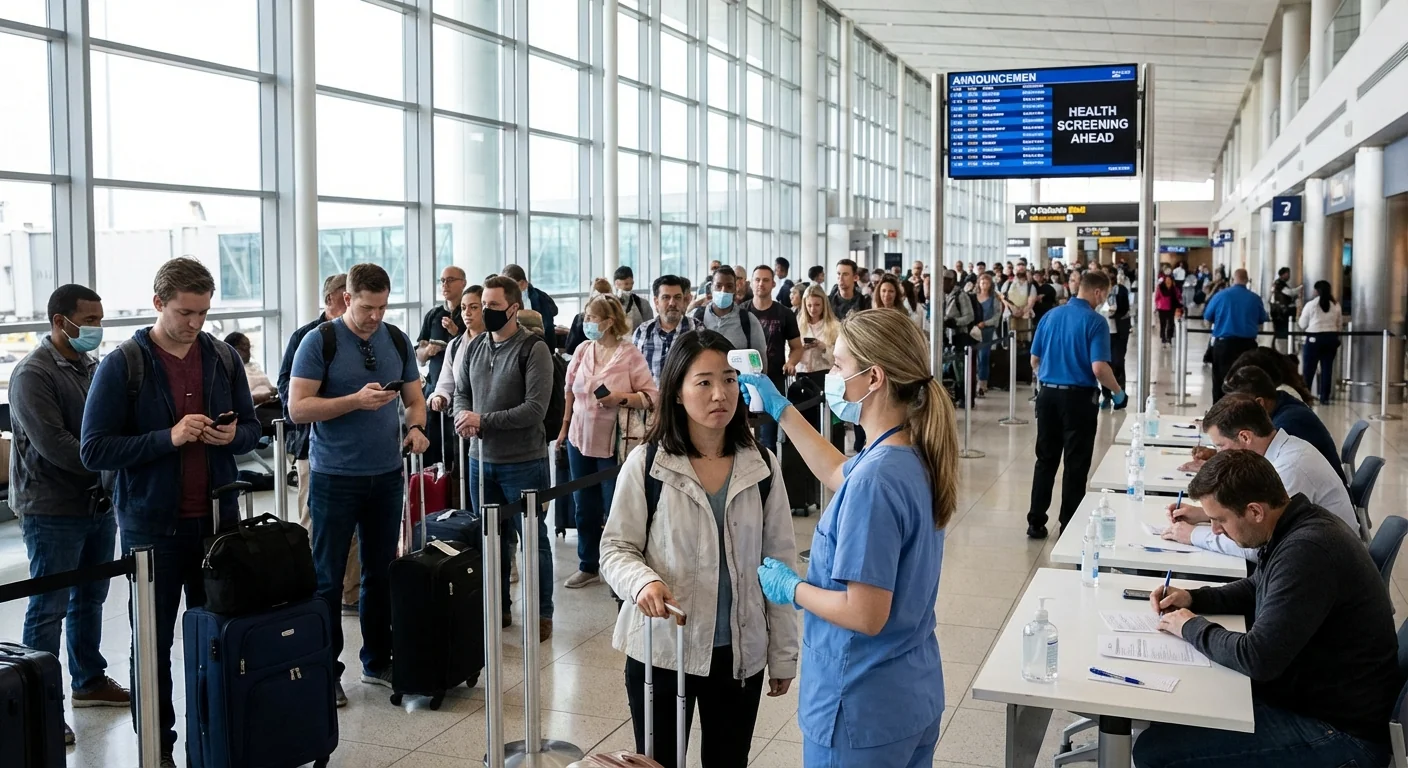
Risk remains low outside the outbreak area, but early action and awareness make a real difference.
What is Nipah and how it spreads
Nipah is a zoonotic virus that lives in fruit bats, also called flying foxes. It can jump to people through contaminated food, like fruit or raw date palm sap, and through close contact with an infected person. Human to human spread has been seen in homes and hospitals, mainly through droplets and body fluids during caregiving.
There is no widely available vaccine right now. There is no specific antiviral that cures Nipah. Early detection, isolation, and supportive care save lives. That means oxygen if breathing is hard, IV fluids for hydration, and close monitoring for brain swelling.
Who is most at risk
People caring for a sick family member face higher risk. Health workers do as well, especially without proper protective gear. Anyone handling bats or pigs should take strict precautions. For the general public, good hygiene and avoiding sick animals are key.
Symptoms and when to seek care
Symptoms can start mild, then worsen fast. The time from exposure to symptoms is usually 5 to 14 days. Some cases appear sooner, some later.
Watch for:
- Fever, sore throat, or headache that comes on quickly
- Cough or trouble breathing
- Confusion, drowsiness, or seizures
- Sudden vomiting with severe weakness
If you have these symptoms and have been in the affected area, or close to a confirmed case, seek care now. Call ahead before you arrive. Ask for a mask at the door and limit close contact. A lab test called PCR can confirm Nipah.
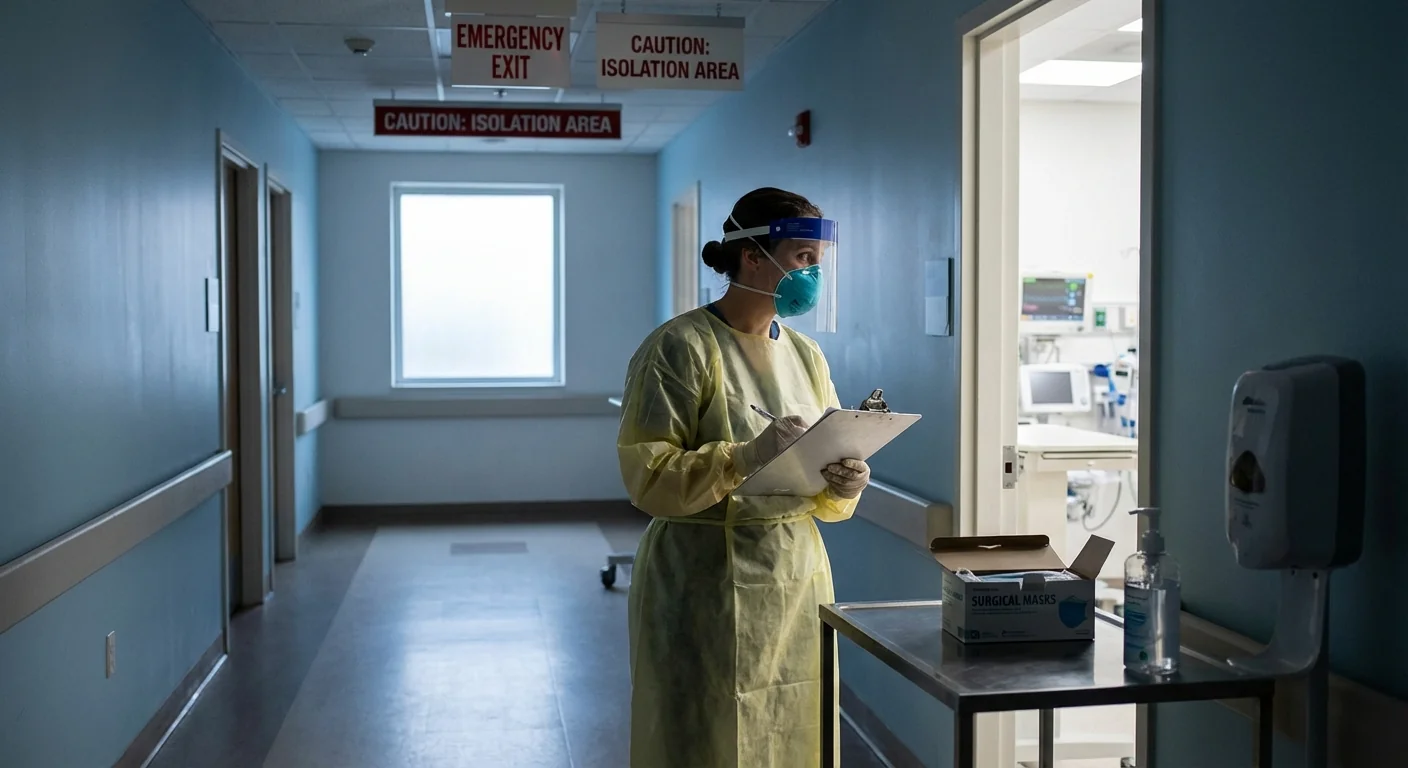
Why airports are screening again
Air travel moves people before they know they are sick. That is the simple reason. Thermal cameras can spot fevers. Health forms help teams find passengers who might need testing. If someone has symptoms on landing, staff can isolate them, provide a mask, and arrange safe transport to a hospital. This early step protects other travelers and workers. ✈️
These checks are not perfect. People without a fever can still carry the virus. Even so, screening buys time for contact tracing and local control. That time matters.
What you can do today
You can lower your risk with basic steps that work for many infections. Keep it simple and steady. 🧼
- Wash hands often with soap and water for 20 seconds
- Avoid contact with sick animals and do not drink raw date palm sap
- Do not eat fruit that looks bitten by bats or other animals
- Wear a mask in crowded indoor spaces in affected areas
- Follow local health advice and report symptoms early
Build a small travel health kit. Pack masks, hand sanitizer, a thermometer, any needed medicines, and your emergency contacts.
If you are caring for someone who is ill, use gloves and a mask if you can. Clean surfaces that get touched a lot. Do laundry on hot and wash hands after. Keep shared spaces well ventilated.
Do not handle bats or pigs. Do not visit hospitals unless you need care. If you feel sick after travel, isolate and call a clinic first.
The bottom line
Nipah is a serious virus with a high fatality rate in past outbreaks. Today’s cases have triggered a swift response, from hospitals to airports. That is the right move. Most people outside the affected area remain at low risk, but we all have a role to play. Stay informed. Practice strong hygiene. Avoid risky exposures. If you feel sick after travel to the region, isolate and call for help. Calm, quick action protects health and keeps communities safe.