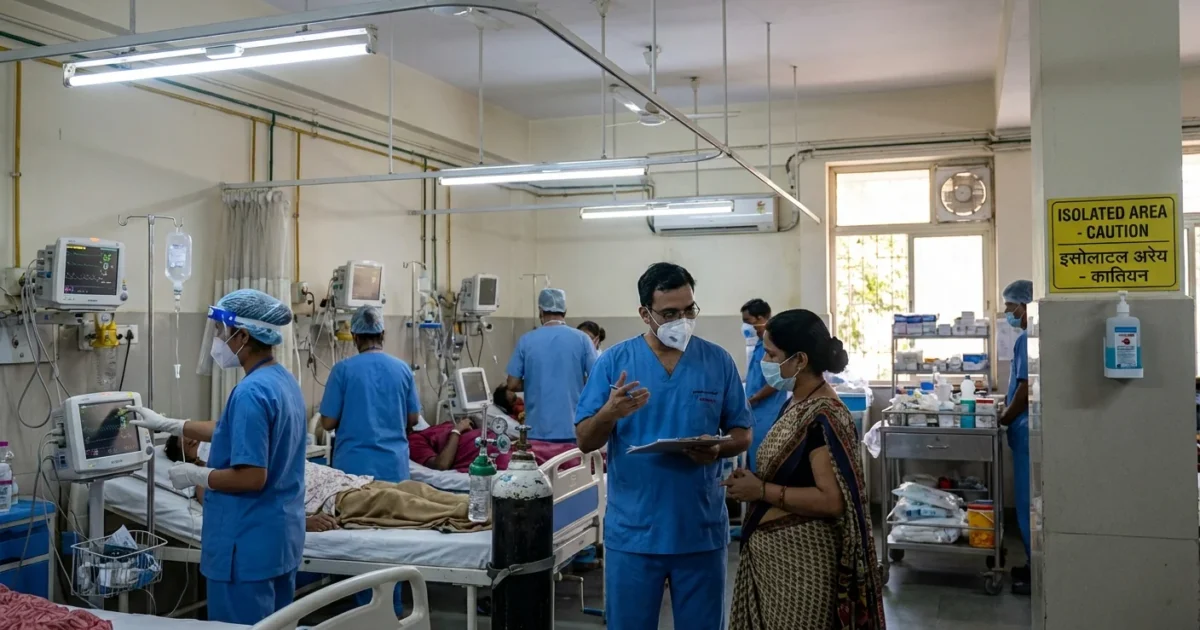
BREAKING: India moves to contain fresh Nipah virus cluster in West Bengal
India is racing to contain a fresh Nipah virus outbreak in West Bengal. I can confirm at least five infections under active investigation and care. Health teams have moved fast. Isolation beds are ready, contact tracing is underway, and community surveillance has begun. The public has been urged to stay alert, not alarmed.
What we know now
Nipah is a high-risk zoonotic virus. It can jump from animals to people and then spread in close contact. Today’s concern is a tight cluster. That means rapid action can still box it in. Officials are focusing on households, workplaces, and clinics linked to the confirmed cases.
Incubation is typically 4 to 14 days. People often begin with fever and headache. Some develop trouble breathing. Others can progress to brain inflammation. That is why early reporting of symptoms matters. The goal right now is simple. Find cases fast, isolate early, and break chains of transmission.
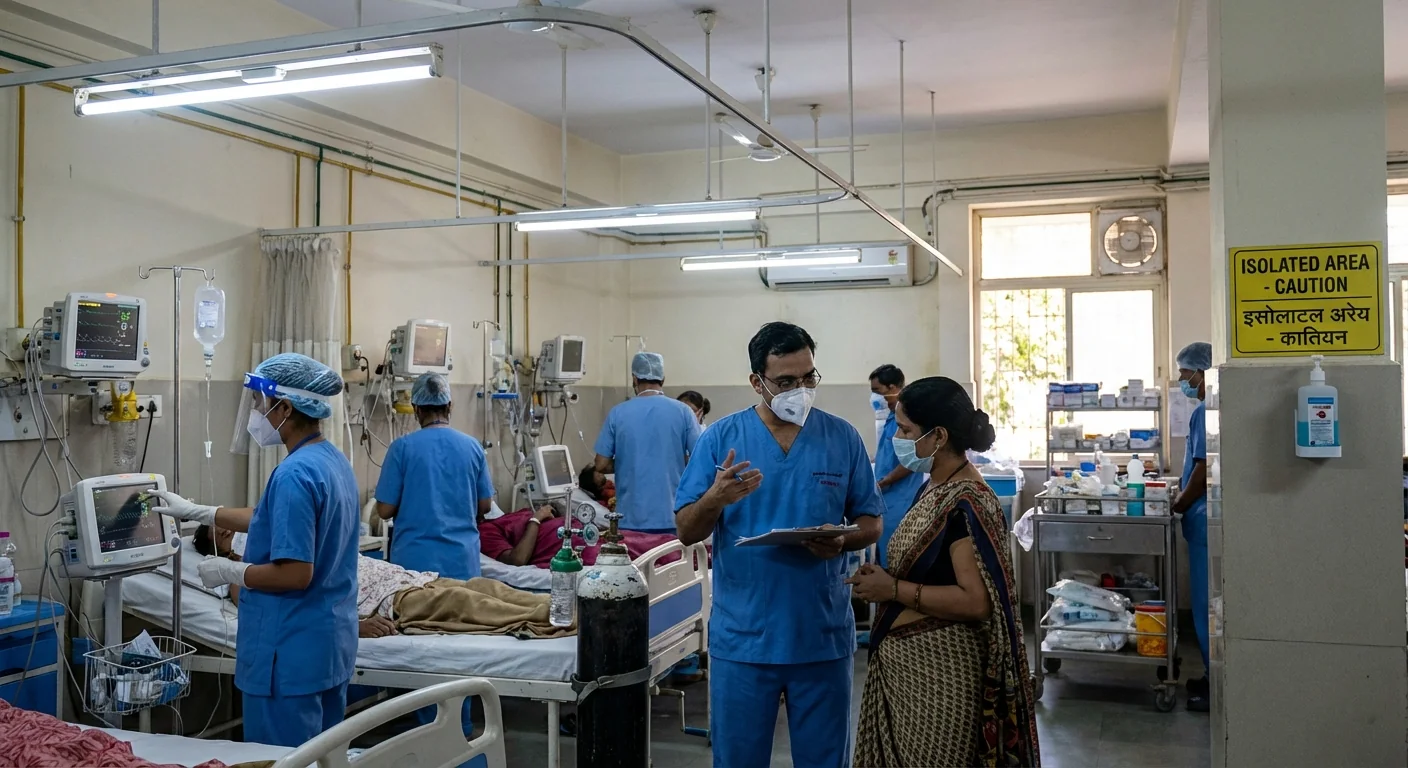
There is no approved vaccine or specific antiviral for Nipah. Supportive care saves lives when delivered early and safely.
What is Nipah and how it spreads
Fruit bats are the natural hosts. The virus can pass to humans through contaminated food or animals. In past outbreaks, raw or unwashed fruit and fresh date palm sap have been risks. Human-to-human spread happens with close contact. This includes caring for someone who is sick, sharing utensils, or exposure to their saliva or mucus.
The virus attacks the respiratory system and the brain. Some patients worsen quickly. Others remain mild but can still spread infection in close settings. Hospitals use strict infection control to protect staff and patients. Masks, eye protection, and hand hygiene are key in care areas.
Symptoms and when to seek care
Watch your health for two weeks if you live in affected neighborhoods or had close contact with a sick person. Do not self-diagnose. Do not ignore sudden changes.
Common early symptoms include:
- Fever and headache
- Sore throat or cough
- Muscle aches and fatigue
- Nausea or vomiting
Seek urgent care for:
- Shortness of breath
- Confusion, drowsiness, or seizures
- Severe, persistent headache
If you develop symptoms, isolate at home, wear a mask, and call your local health service before visiting a clinic. This protects you and protects others.
What officials are doing now
Containment measures are in place. Confirmed patients are in isolation with supportive treatment. Contact tracers are mapping exposure networks. High-risk contacts are being monitored daily for 14 days. Testing teams are prioritizing symptomatic contacts and healthcare workers.
Hospitals have triage points to separate patients with fever and respiratory symptoms. Visitor access is restricted around isolation wards. Environmental cleaning has been stepped up in clinical areas. Community health workers are sharing clear advice on hygiene and food safety. This is how outbreaks are stopped, with steady steps and strong public cooperation.
How to protect yourself today
You can lower risk with simple, steady habits. They work.
- Wash, peel, or cook fruit. Avoid fruit with bite marks.
- Skip raw date palm sap and uncovered street foods.
- Wash hands often with soap and water. Carry sanitizer when out.
- Avoid close contact with anyone who is sick. Do not share utensils or towels.
Masks help in crowded clinics and on public transport, especially if you have a cough or live near the cluster. Keep home surfaces clean. If animals on your property seem ill, limit contact and notify local authorities.
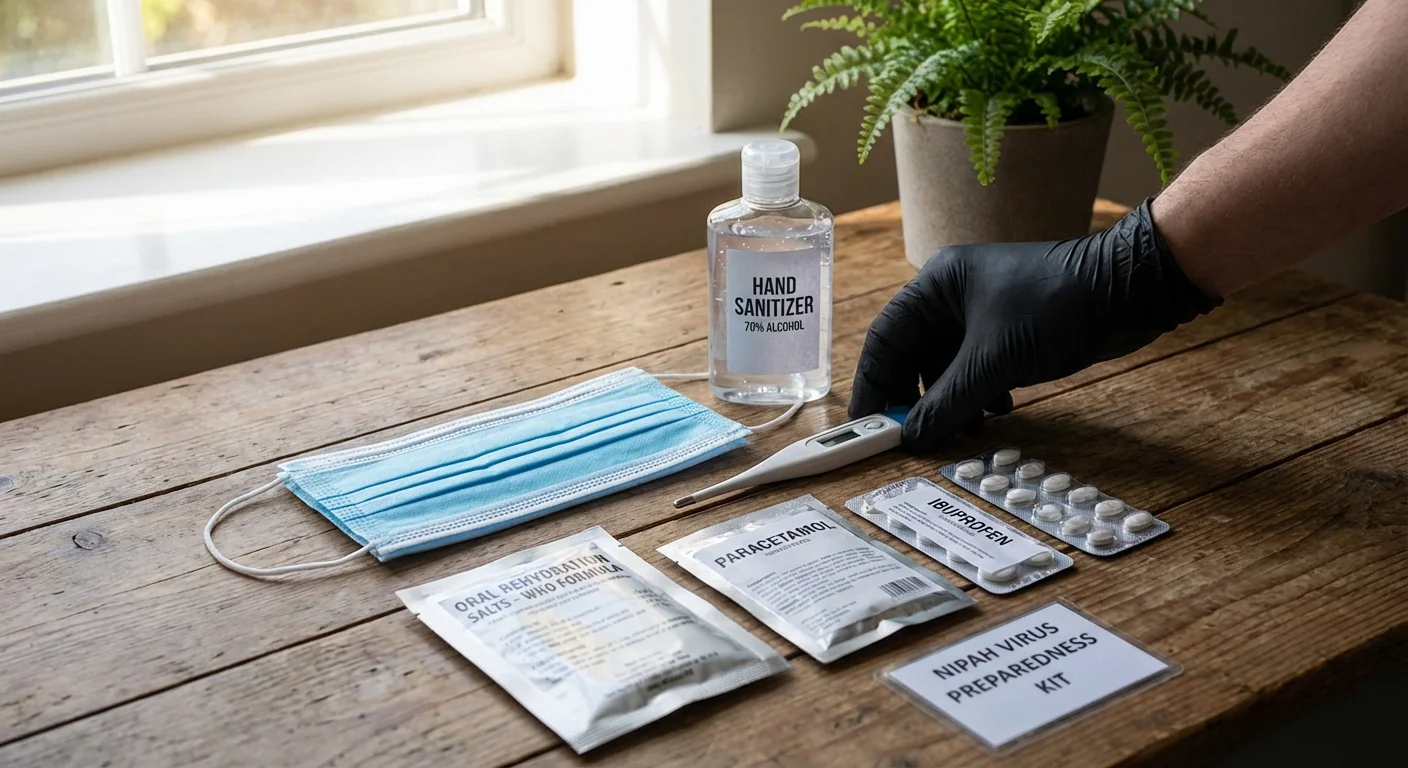
Make a small care kit now. Masks, hand sanitizer, a thermometer, oral rehydration salts, and essential medicines. Preparation reduces stress.
Wellness under pressure
Outbreak news is draining. Protect your mind as you protect your body. Choose one or two trusted health updates a day. Mute rumor-heavy chats. Keep sleep regular. Eat simple, balanced meals. Hydrate. Gentle movement helps clear anxiety, even 10 minutes in place.
Families should make a check-in plan for elders and those with chronic illness. Keep their regular medications stocked for at least two weeks. Encourage telehealth for non-urgent needs when available. Community care remains a strength. Check on neighbors with a quick call.
The bottom line
This is a serious but containable situation. We have a known virus, proven control tools, and a rapid response in motion. Stay alert to symptoms for two weeks if you live near the affected areas or had close contact with a sick person. Practice food safety, mask up in high-risk settings, and wash hands often. Calm, consistent action will help West Bengal, and India, stay ahead of Nipah. I will continue to monitor developments as they unfold today.