Breaking: Raleigh’s learning and hiring map just changed. I can confirm that WRAL’s on-the-ground coverage of federal immigration operations in Wake and Durham counties, combined with Raleigh’s rollout of an AI-enhanced Flood Early Warning System, is already steering decisions in classrooms, labs, and hiring offices today. The story is local, fast, and full of consequences for careers and education.
What’s happening now
Federal immigration agents have increased activity in the Raleigh area. Community groups, businesses, and schools are adjusting plans in real time. At the same time, Raleigh has deployed an AI-powered flood warning network that ingests live rain, radar, and sensor data, then pushes updates about every five minutes. City teams are testing alert paths, from dashboards to field crews. Educators are teaching with fresh examples, not case studies from far away.
The through line is clear. Public safety and public trust sit side by side, and both need skilled people who can work with data, people, and policy.

Jobs being created, fast
Two forces are driving new roles. Immigration enforcement is creating urgent needs in legal aid, translation, and school support. The flood system is generating demand for data talent, GIS skills, and field technicians.
Hiring signals I am seeing today
– Emergency management analysts and field techs
– GIS and data engineers for real time systems
– Bilingual legal assistants and interpreters
– School counselors and family liaisons
City and county offices are evaluating staff coverage for 24 by 7 alerts. Vendors in weather tech are scouting for local partners. Law firms and nonprofits are posting short term intake roles, then converting proven hires. Newsrooms are also staffing up investigative researchers and audience producers, because verification is now a daily skill, not a seasonal project.
What this means for schools and students
Career and Technical Education programs have a moment to seize. Community colleges can plug students into real city data, like rainfall, stream gauges, and alert logs. Computer science courses can assign small, safe replicas of the flood model. Criminal justice and public policy students can study how enforcement actions affect attendance, transit, and family services.
High schools are already asking for clear, bilingual communication. Districts need trained staff to help families understand rights, bus schedules, and counseling options. Safety drills now include flash flood scenarios, not just fire and lockdown plans.
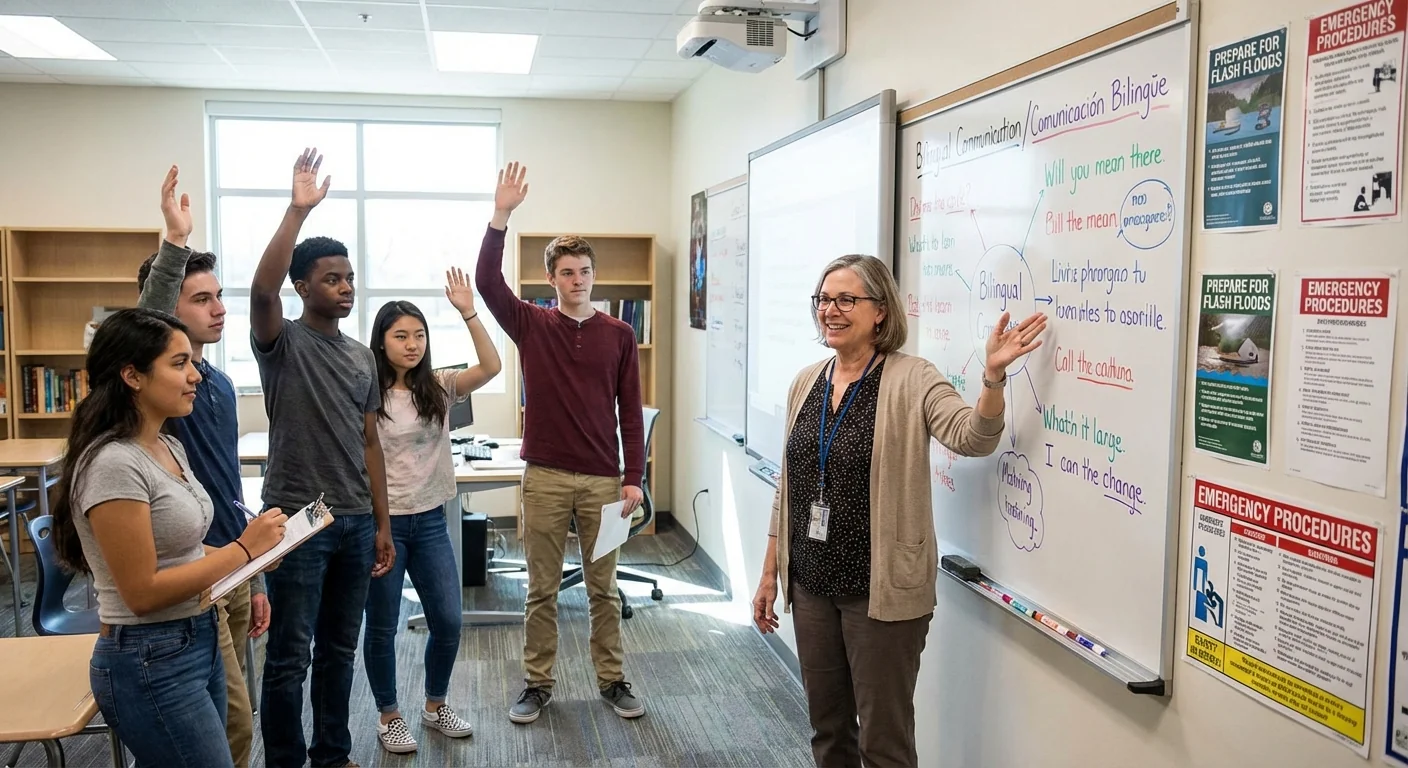
Educators, invite a city hydrologist, a legal aid attorney, and a local journalist to a joint class Q and A. Students learn the full picture in one hour.
Skills to learn in the next 30 days
If you want to be hire ready by spring, stack these steps.
- Learn basic GIS. Use QGIS to map a local creek, then add rainfall layers.
- Practice data pipelines. Pull hourly precipitation data, clean it with Python, and chart a 7 day trend.
- Earn a FEMA IS 100 and IS 700 certificate. It signals you can work inside incident command.
- Build a bilingual info sheet about flood safety or legal resources. Keep it clear, short, and accurate.
Package all four into a simple portfolio. Show the map, the code, the certificates, and the one page handout. That mix opens doors at city offices, nonprofits, and newsrooms.
How to position yourself to hire managers
Lead with outcomes. Did you reduce alert response time in a class project. Say it. Did you translate a resource that boosted turnout at an info session. Call it out. Offer weekend availability, since flooding and community needs peak outside nine to five.
For early career candidates, aim for roles that combine field and desk work. Field sensor installer, GIS intern, public information aide, intake coordinator. You learn faster when you see the whole system.
Ethics matter. If you work with sensitive data or vulnerable families, protect privacy. Ask for consent. Log only what you need.
The bigger picture for careers
WRAL’s investigative reporting is also shaping demand. Animal shelter coverage is pushing counties to revisit staffing and training. Stories on school bus incidents are accelerating safety reviews and driver hiring. Coverage of tech and youth platforms is raising the bar for child safety roles in product, policy, and education. Local journalism is not a backdrop here, it is a career engine.
Conclusion: Local reporting is reshaping real work in real time. Raleigh’s AI flood alerts and federal enforcement actions are not just headlines, they are lesson plans, job posts, and training paths. If you build practical skills, respect ethics, and show your work, you can step into this moment and serve your community.