Breaking: Today I can confirm there is no national surge around “WITN.” The real story is local, and it is important. WITN-TV, the NBC and MyNetworkTV affiliate serving Eastern North Carolina, is doing what good stations do. It is reporting on schools, counties, roads, storms, safety, and daily life. That steady work is shaping careers, building skills, and opening doors for students and job seekers.
What WITN really is, and what it is not
WITN is a regional newsroom with reach across Washington, Greenville, New Bern, and Jacksonville. It is not a national storyline today. It is a strong local station, and that matters for careers. Local stations hire first. They train first. They move talent forward.
If you saw claims that WITN is the big story everywhere, pause. The bigger lesson is clear. Local news can look huge when a clip jumps into a small online bubble. The wider job story is here in Eastern North Carolina, where students learn fast and grow fast.
Why this matters for students and job seekers
Local TV is a training ground. New reporters, producers, photographers, and digital editors learn to write tight. They learn to shoot video, edit fast, and get facts right under deadline. That mix travels well. It helps you move up to larger markets, or into communications, public affairs, and education media.
Entry level pay is modest in small markets. The tradeoff is speed. You build a reel, a resume, and a trusted network. Many move up within two to three years. Some pivot into higher paying roles in digital news, higher education outreach, or emergency management.
Want a quick edge? Build a 90 second reel with three clean clips. Lead with your best shot and your best standup. 🙂
The job market snapshot in local TV
Stations like WITN often recruit for roles that cross platforms. One day you write a web story. The next day you produce a 6 p.m. newscast. Versatility wins interviews.
- Common early roles: multimedia journalist, assignment editor, producer, digital content editor
- Core skills: clear writing, clean audio and video, basic graphics, calm under deadline
- Tools to know: smartphone shooting, simple video editing, newsroom content systems
- Soft skills: listening, teamwork, accuracy, respectful communication
Hiring managers prize people who show they can learn. A short portfolio beats a long resume with no samples. Strong references help.
How to verify a hot claim before you share it
Local clips often spread fast. Do not let speed beat accuracy. Use a short check before you post or pitch.
- Find the first source. Look for the newsroom’s own post or on-air script.
- Check the date and time. Old clips often reappear with new labels.
- Compare details. Names, titles, and places should match across at least two official sources.
- Call or email a public contact. A station’s assignment desk or a public information officer can confirm basics.
Off platform screenshots can hide edits. Always click through to the original post or broadcast page.
If you plan a classroom lesson or a student project, show your checks. Teachers and editors want to see your process.

Build skills now
You do not need expensive gear to start. Use a phone, a tripod, and a free editing app. Pick one public issue in your town. Cover it three ways, a 250 word web brief, a 45 second video, and a one image graphic with a caption. That small set mirrors a real local shift.
Community colleges and state universities in North Carolina teach strong broadcast basics. Many offer practicums and campus shows. Aim for one internship at a local station. If that is not possible, volunteer at a campus newsroom or a local nonprofit. You will still learn deadlines, ethics, and public records requests.
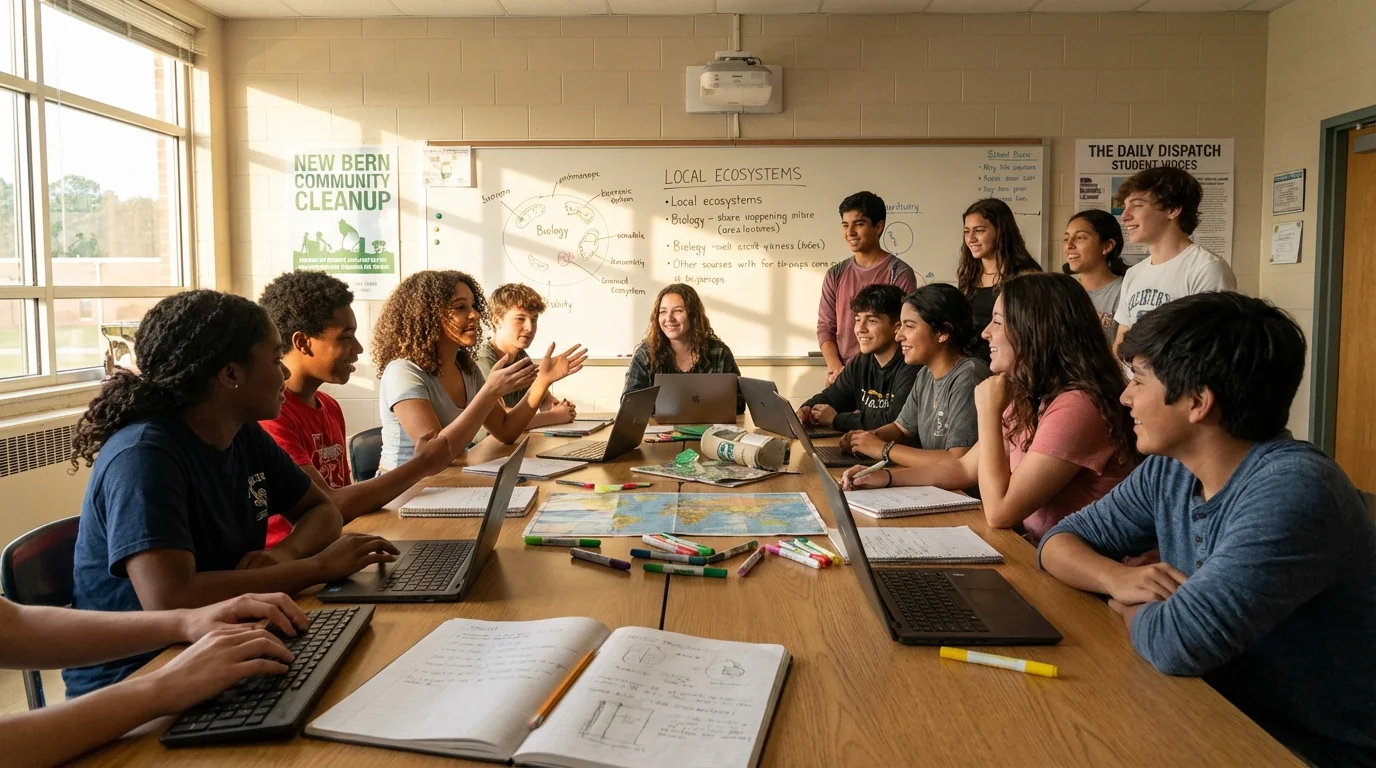
Teachers can fold this into class. Assign one story per week with a two hour cap. Students learn speed and clarity. They also practice safe reporting and fair interviews.