Breaking: A federal judge has ordered Tufts University to restore a doctoral student’s legal status, reopening her path to research, pay, and graduation. The ruling protects speech on campus, and it sends a clear signal to universities and employers that international student work and learning cannot be cut off without strong cause.
Court Order Puts Research, Jobs, and Speech Back on Track
U.S. District Judge Denise J. Casper has directed federal officials to restore the SEVIS record of Tufts PhD student Rümeysa Öztürk. SEVIS is the federal student tracking system. When it is canceled, a student loses status, campus work, and often the chance to finish their degree.
The judge found the earlier revocation likely violated her First Amendment rights. She also found that the loss of on campus work and research caused real and ongoing harm. With the record restored, Öztürk can rejoin her lab, earn pay again, and rebuild the timeline to complete her degree.
This case began after Öztürk co authored a pro Palestinian op ed and was later arrested by federal agents in March. Tufts opposed her detention and backed her return to study. She came back to campus in May, but her SEVIS status remained blocked until this week’s order. The court’s message is simple. International students have speech rights, and their academic jobs matter.
Your ability to work on campus depends on your SEVIS status. If it is canceled, pay and research often stop at once.
What This Means for International Students
This ruling does more than help one student. It clarifies that peaceful speech, even on sensitive issues, is protected. It reminds universities to guard student status while cases play out. It also puts Designated School Officials on notice. DSO teams must document choices, move fast on updates, and keep clear records when status is at risk.
Tufts, for its part, reaffirmed a policy of institutional pluralism in September. The school said it will use restraint in official statements on outside political issues. That stance matters now. It encourages personal speech by students and faculty, and it helps the university stay focused on its teaching mission while still protecting rights.
If you are an international student, set calendar reminders for visa check ins, keep copies of pay stubs and advisor letters, and confirm any public work with your DSO before you accept it.
- Immediate steps for students: meet with your DSO, confirm your enrollment load, check your I 20 dates, and study your on campus work rules. If you plan practical training, ask about timelines early.
The Career and Job Market Angle
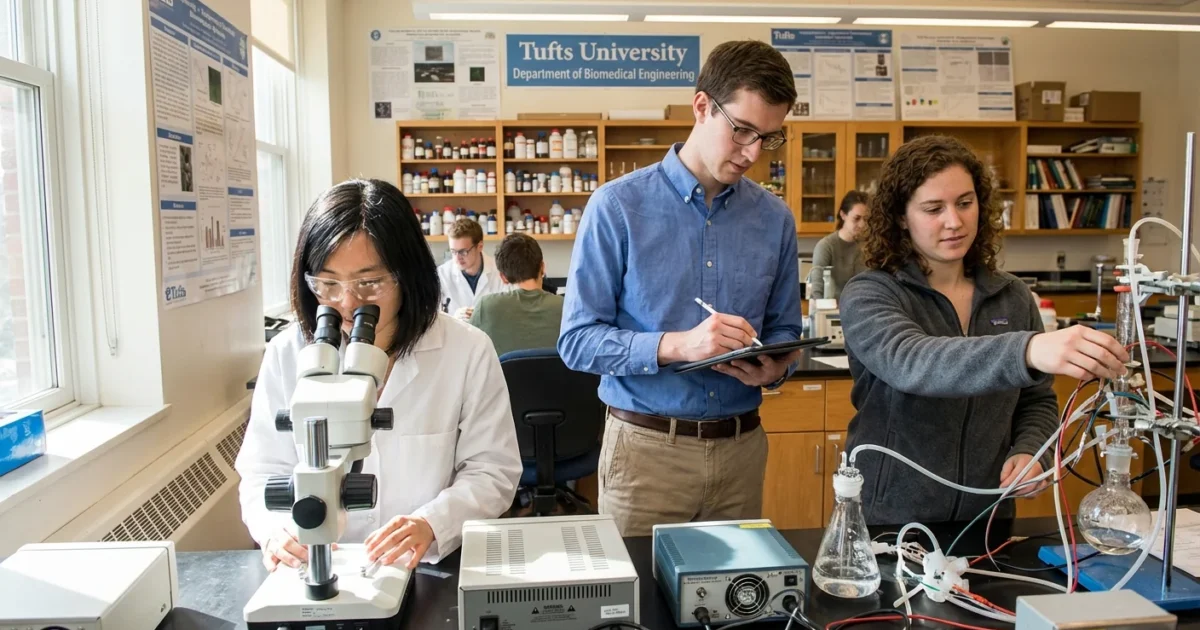
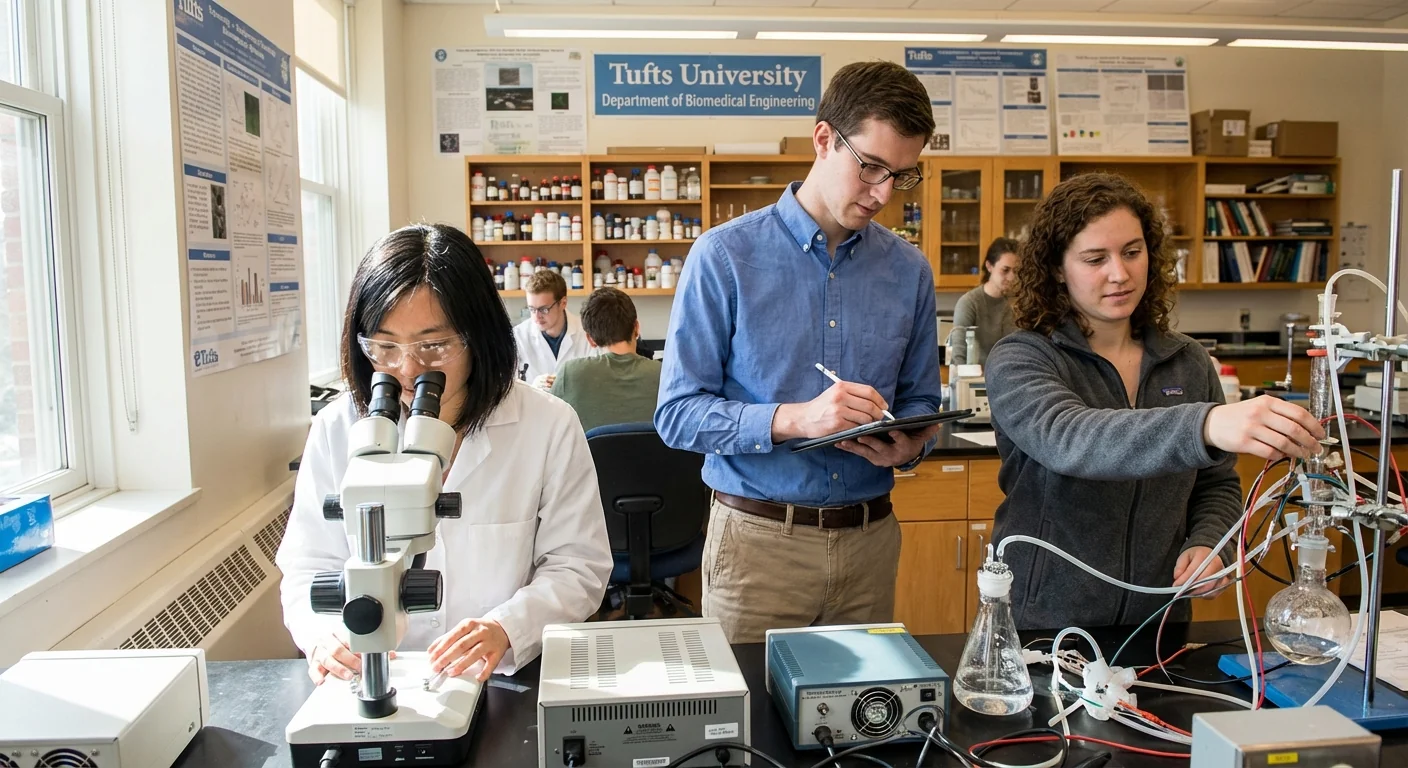
On campus jobs are not side gigs. They are the training ground for the talent pipeline. Research assistant and teaching roles teach data skills, lab methods, and project leadership. In Boston’s tight market, these roles feed biotech, AI, and energy employers. A sudden loss of status breaks that pipeline. Labs pause experiments. Grants slip. Teams lose momentum.
This order helps stabilize that flow. Advisors can plan staffing again. Students can resume projects that drive publications and patents. Employers who recruit at Tufts get back a pool of candidates with recent, verifiable experience, not a gap created by a paperwork freeze.
Hiring managers should take note. Graduates with strong campus research experience are job ready. If you recruit this cycle, look for candidates who returned from disruption and still shipped results. That signals grit, a trait managers now value more than ever.
For faculty mentors, the lesson is concrete. Build redundancy into research plans. Keep project documentation in shared drives. Write standing letters that outline a student’s duties and training gains. These steps protect students and help courts see the real harm when work stops.
Learning Tips in a Tense Climate
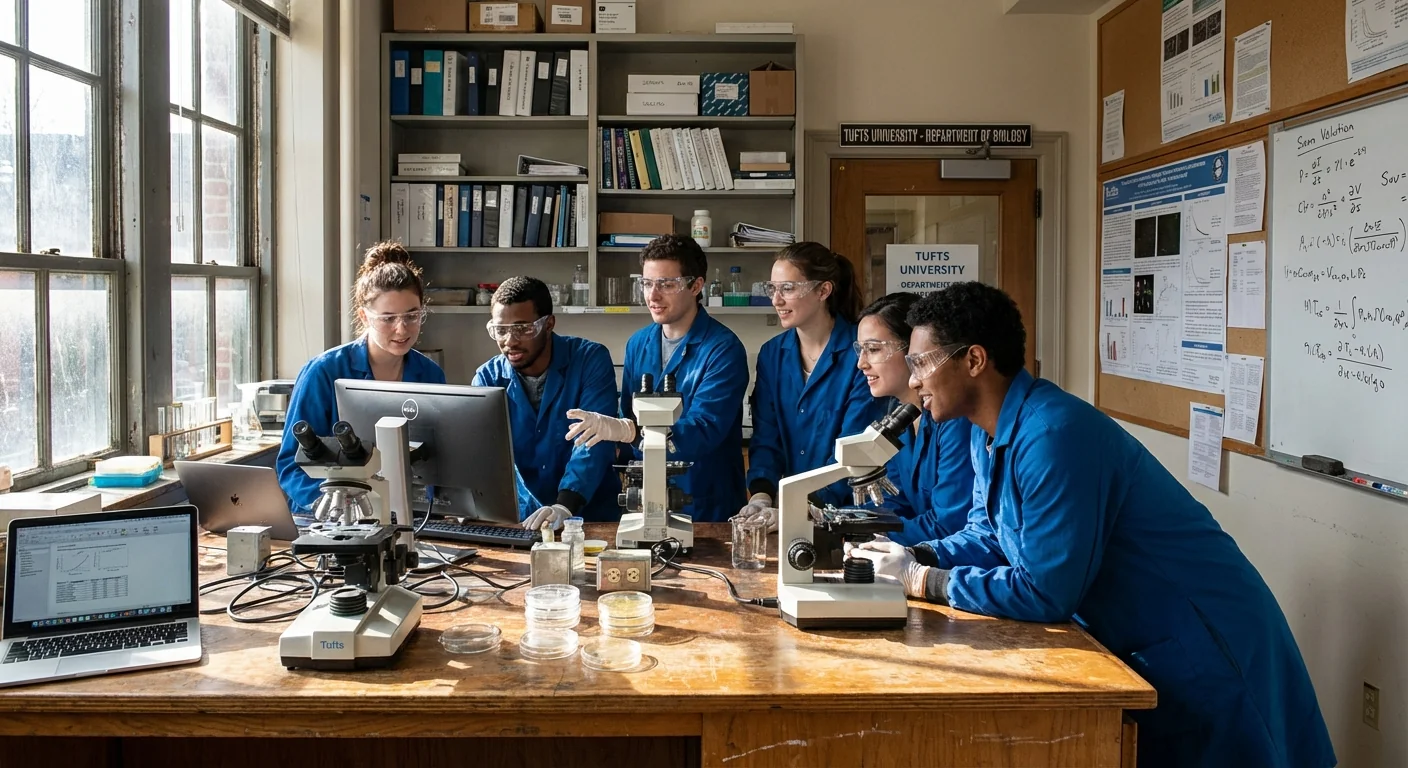
Focus on the core of your program. Meet weekly with your advisor. Track your milestones in a simple dashboard. Use clear, neutral email summaries after key meetings. If campus speech feels heated, move debates to structured forums and class settings. Keep your research notes, safety training, and payroll records organized. If you are unsure whether an action may affect status, ask first, then act.
Conclusion
The court has reset the balance at Tufts. Free speech, study, and work now share the same table again. International students can return to the lab and the classroom. Faculty can plan, and employers can hire with confidence. This is a win for learning, a boost for Boston’s talent pipeline, and a clear guide for universities nationwide on how to protect both rights and careers.