BREAKING: Norfolk Public Schools approves sweeping closures, a new map for learning and work
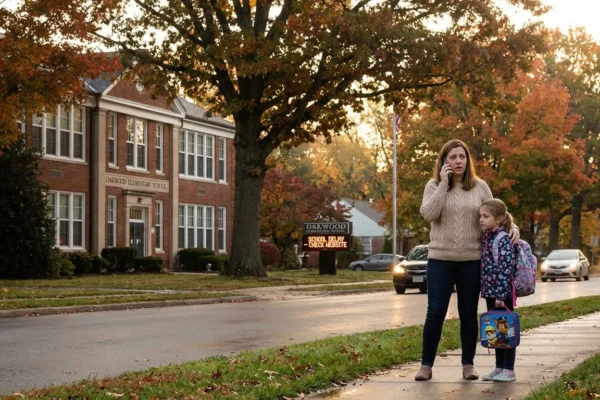
Norfolk Public Schools has voted to close nine schools over several years, starting in 2026–27. The School Board approved the plan 6–1 on October 15. Norview Elementary and Willoughby Early Childhood Center will be first on the list. The move reshapes where students learn and where educators work, and it begins now.
What the board decided and when it hits
This is a multi‑year consolidation plan. Closures begin in the 2026–27 school year, then continue in phases. The district will also renovate or rebuild some sites, including Lake Taylor High and Jacox Elementary, to modernize space and cut costs.
Enrollment has dropped from about 32,000 students in 2014–15 to around 26,000 last year. Projections point to roughly 24,000 by 2025. That means many buildings sit half full, and every empty classroom costs money to heat, cool, and maintain. The board’s majority said waiting longer would cost even more.

City Council pushed hard for action earlier this year, pressing the district to plan for at least ten closures. The board landed at nine, arguing this sequence balances urgency with stability. One member, Tanya K. Bhasin, voted no, citing equity questions and unclear savings.
What this means for families, right now
Your child’s school assignment will not change this year. The 2025–26 school year is a planning year. Redistricting studies start now. The district expects to set new boundaries and school relocations by February 2026, with public hearings by March 30, 2026. Families will have time to respond and plan.
Transportation, bell schedules, program moves, and after‑school options will be detailed after boundary decisions. Expect revisions to some bus routes as buildings close and programs move. If you rely on bus service, make sure your contact info is current with your school.
Action steps for families: verify your contact info, watch for redistricting maps, attend hearings, and talk with your school counselor about course plans.
If your child attends a magnet or specialty program, ask now about program location and application windows. Seats may shift as buildings consolidate, but programs are expected to continue.
Jobs, careers, and the local talent pipeline
This decision will change hiring patterns. Some roles may shift to other schools as students move. The district will still need teachers in high‑need areas, including special education, math, science, and reading intervention. Bus drivers, school psychologists, and speech pathologists also remain in demand.
Building projects create work too. Renovations and rebuilds mean jobs for electricians, HVAC techs, carpenters, and project managers. High school students in career and technical education can find a direct path here, through apprenticeships and entry‑level roles.
For educators and staff, this is the moment to update licenses and endorsements. If you teach in an area of shortage, highlight that on your application. If you are a paraprofessional, consider credentials that open doors to special education or literacy support. Talk with district HR about placement options and timelines.
Educators, prepare a one‑page impact sheet. List certifications, results, and the student needs you serve best. Keep it ready for internal placements.
For teens, use this shift to map a career course. Consider dual enrollment, industry credentials, or a CTE pathway in healthcare, IT, or the skilled trades. These sectors are hiring across Hampton Roads.
Learning through a move, without losing ground
A school change can be stressful. You can still protect learning gains with a simple plan.
- Keep a steady study time, even 30 minutes a day helps.
- Save and organize work samples, test scores, and IEPs.
- Meet the new counselor early, set goals for the first nine weeks.
- Join one club or team fast, belonging speeds the transition.

School quality is more than a building. Strong teaching, steady routines, and family engagement drive learning in every zip code.
Equity, transparency, and what to watch
Many families worry this plan will hit some neighborhoods harder than others. The lone no vote warned the savings and impacts were not fully shown. Board leaders said the plan puts students first, pairs closures with modernization, and keeps dollars in classrooms. Watch the redistricting criteria, the location of specialty programs, and the promised upgrades. Those choices will show the district’s priorities.
Key dates and how to engage
- 2025–26: Planning and mapping, with redistricting studies underway.
- By February 2026: Final decisions on school relocations and boundaries.
- By March 30, 2026: Public hearings and follow‑up board votes.
- 2026–27: First closures take effect, with transportation and program moves.
Do not miss magnet and transfer deadlines. Late applications limit options, especially after boundaries change.